Perhaps you’ve noticed that the world that exists today is radically different from 100 years ago!
At that time, the only mode of in-absentia communication was the written letter. There were no TVs, devices, or screens to invite strangers into your bedroom upon waking each morning. Now you have photos and snapshots of their daily lives to which you can compare yourself to their filtered and curated portfolios. Now, with the introduction of AI, we enter new territory of hyper-content. Articles and posts are either entirely written or edited by AI before publication, and everything reads the same. Posts jump out at you as SEO-hyper-charged titles lacking any wit or character to differentiate one author from another. I am by no means anti-AI or tech, however I am aware of how it dilutes my creativity when it comes to writing, art, and living itself.
Do you know there is a scoring system for how easy this article is to read? I am encouraged to make it easier to get more views – it’s not difficult to see how this ends up. I am even encouraged to be more assertive in my vocabulary. To not come across as unsure even when the truth is that life is completely uncertain – ironically, something I am assured of. Have you ever found yourself wondering how it can be that people seem so self-assured online as if speaking with absolute authority about what “problem” it is you’re suffering from?
And so it is that I notice my proclivity to want to conform to the “algorithm” and to be able to compete for attention with such players in the hopes it brings financial prosperity and opportunities. But to what end? The world as we know it now appears to be a result of the majority wanting comfort at the cost of spiritual practice and wanting ease at the cost of growth, and it appears to have led to a more violent and impoverished world.
Therefore, I resolve to accept my creative personality quirks that don’t allow for consistent content. That I may currently lack the structure that makes this writing coherent and punchy. I certainly don’t wish for my readers to “take an action” following reading my blog – why should I presume you, the reader, take anything away from what I write?
It seems to have been forgotten that creativity and by extension, the heart has it’s own unique expression and timing and cannot be quanitified and comodified if one truly wishes to live from a place of open-heartedness. I am sure many of us still relish the bold, the brave, and the beautiful when it comes to self-expression, for it is unqiue and irreprecable.
The world we wish to live in exists only in our minds and by contrast, the world we don’t wish to live in also exists only in our minds. You get to decide which world to live in, and act accordingly.
At its core, Project: JourneyHome is my way of documenting the process of finding my way back to myself at time of much uncertainty. It began as a quest for a literal home—a destination at the end of a voyage, much like the hero’s journey. But, as with any true journey, I’ve come to see that the external only mirrors the internal.
Within us all is a calling, one that many of us cannot hear. Some people hear these in childhood, and for others, they come later in life. It’s not something that the mind can decide, it’s a matter for the heart.
Age is certainly a relevant factor in wanting to settle down, yet for each of us, this process is unique—a different calling, a different path. To me, this project is about recognizing that we all carry these callings, sometimes tucked deep within not having been heard in a long time. It’s about learning to stop, to let the mud of the mind settle until the water clears, revealing what’s true for us. When we think too much, emotions churn, and the noise of the mind drowns out the stillness required to hear our hearts.
We convince ourselves, and others that purpose is something to be chased with thought, but I’ve found it’s not the mind’s job to uncover it. Instead, it’s in the quiet—in the presence—that purpose whispers. This takes practice, a skill we’re all capable of and were in touch with as children.
The home I seek outside only takes shape after the one within is at peace.
Within us all lies a need to feel accepted, to be at peace in our own lives. Symbolically, the home reflects this: a place of safety, nourishment, and family, where we cultivate our hearts to love those closest to us—and then the world beyond.
My Process
Where do I begin? How far back do I go to show you where I stand now and how I’ve come to see life? For me, it’s only recently that I realized I’ve had a dream all along. As a teenager and young adult, I suffered from not knowing what I wanted, believing I didn’t have a dream. Without a dream, my life lacked direction and purpose. My mind spun endlessly, trying to figure out what I should be doing. Nothing seemed to fit. I saw others walking their paths—leaving university for jobs, traditional careers, digital nomadism, freelancing, entrepreneurship, infleuncers… I don’t dismiss these roads; they’re all valid, all needed. But my heart doesn’t sing.
Then, something shifted recently. I can’t pinpoint exactly when, but I remembered a childhood dream: to live in Africa. Growing up, I’d heard stories from relatives who’d been there, watched films like Born Free that set my heart ablaze. Every Christmas and birthday, I begged my mum for a lion cub. Of course, I was disappointed each time she didn’t deliver—though I can’t blame her for not producing a wild animal! At some point, that dream faded. I don’t recall being talked out of it; it wasn’t that overt. Instead, I think society’s conditioning—school, the push toward university, jobs, and city life—funneled me into believing Africa was for “special” people, other people, not me. I never questioned why I couldn’t go; the belief just settled in, a quiet limitation I didn’t see.
Recently, though, it dawned on me: that dream never fully disappeared. For nearly five years, I’ve been exploring my mind, drawing from Buddhist teachings about desire—how it can overtake us, how we refine it to know what’s true. There’s a difference, I’ve learned, between a fleeting craving and a deep calling. A desire—like wanting ice cream and then sulking when the shop’s closed—is impatient, overpowering, blind, it draws us into suffering. But a childhood dream? That’s gentler. It arises again and again, patiently calling out to be fulfilled. Some might call it God’s voice, the universe’s nudge, or a purpose etched into our DNA. Every cell feels drawn to it. Ignore it, and it’ll return—sometimes loud, sometimes soft. I’m learning to come to trust these callings. I don’t overthink them so much anymore—why this one? Will it succeed? Is it needed? All I know is there’s a loose end to tie up, and when it’s done, the mind lets go. I don’t even know when the mind will let go, it’s always mystery and it’s none of my concern.
Rediscovering the Dream
This dream—to go to Africa—isn’t about fame or fortune. It’s about listening to the inner child who’s been whispering all along, thrilled that I’ve finally heard her. “Yay, thank you!” she says. It’s taken a long journey to reach this point, shaped by moments I’ll share as this unfolds. Some people know their dream early and pursue it; others, like me may have buried it, dismissed it as childish, put it off, or forgetten it entirely. And that’s okay—there’s no one right way, sometimes many other lilfe circrumstances need to fall into place first before we’re ready. What matters is we don’t compare our paths. Each of us has unique lessons, a personal combination to unlock our hearts.
This is where Project: JourneyHome begins. If you’re curious to see how it unfolds, sign up for my latest posts. Through this, I hope to inspire you to listen to your own heart’s calling—whether you’re young or old, rich or broke, shaped by joy or struggle. We all have a childhood dream we can still chase. Let’s find it together.
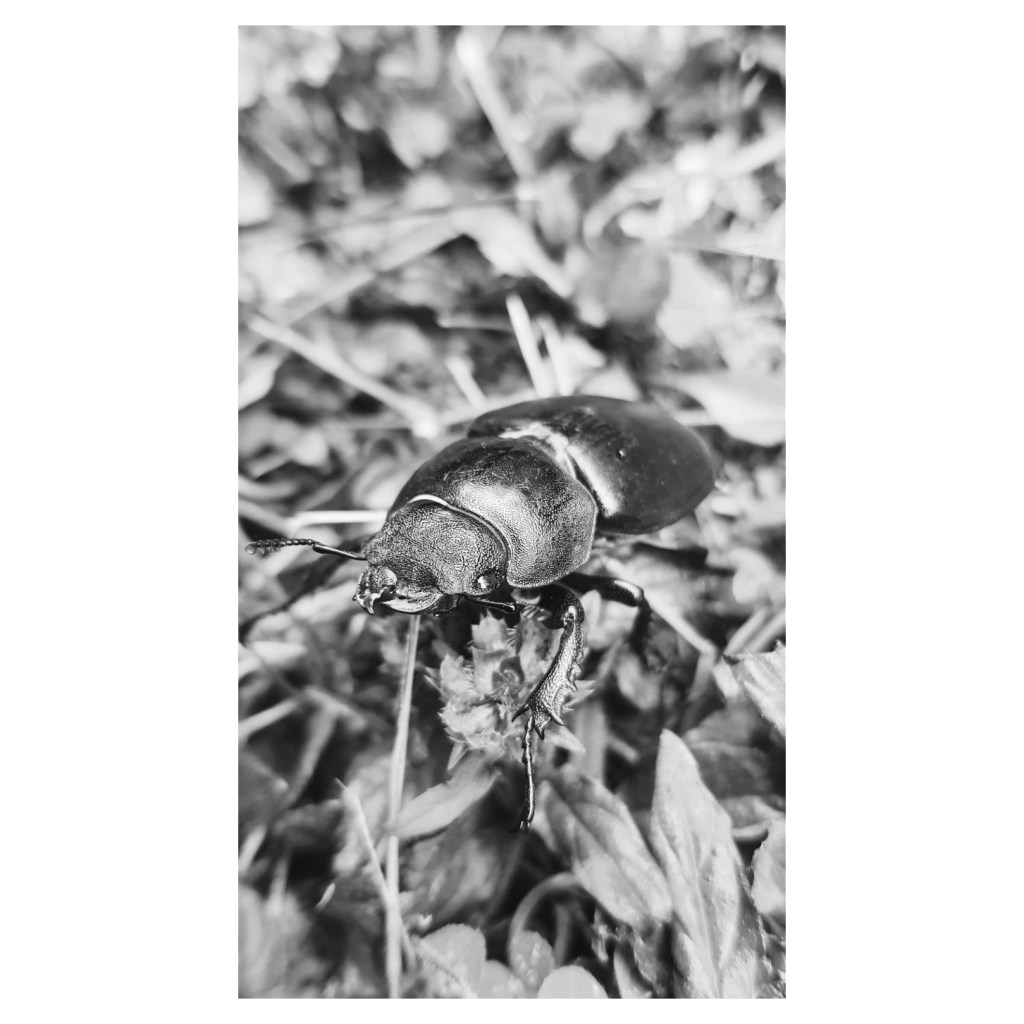
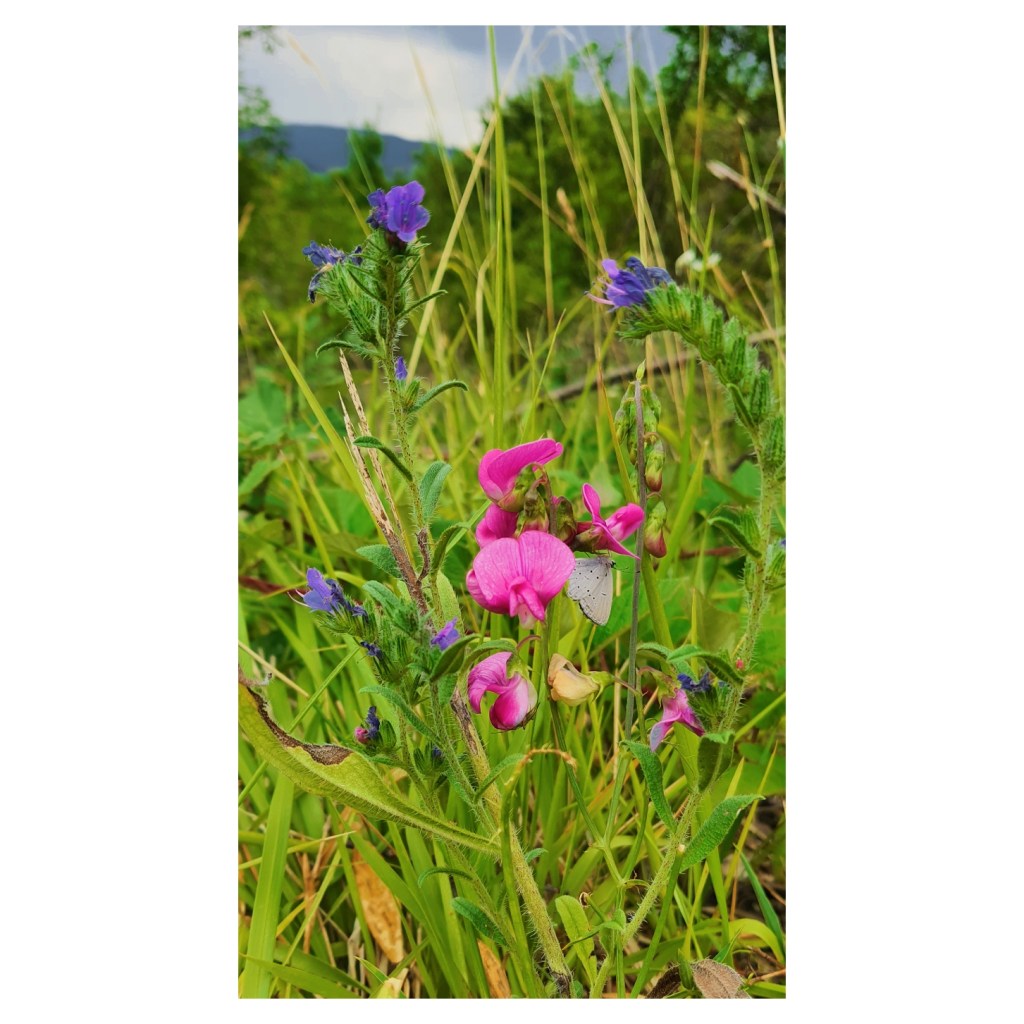
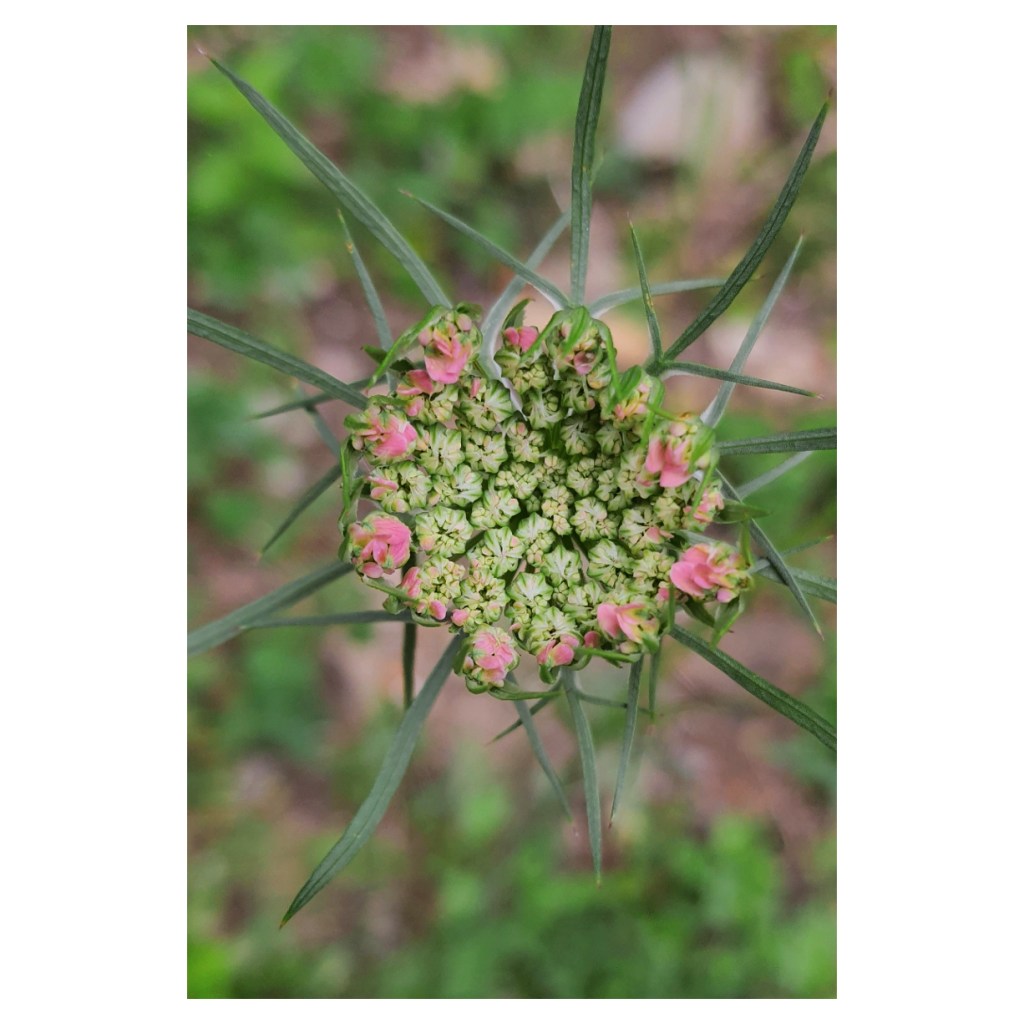
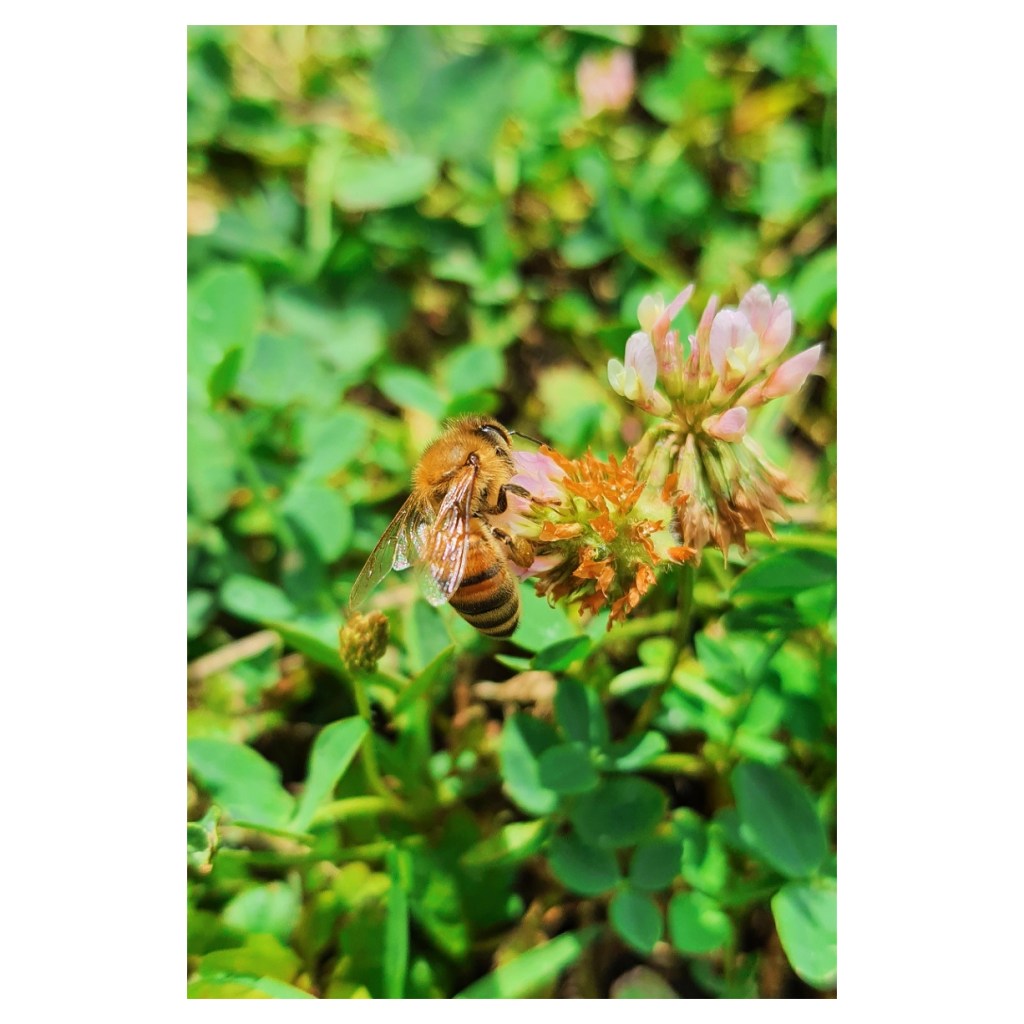
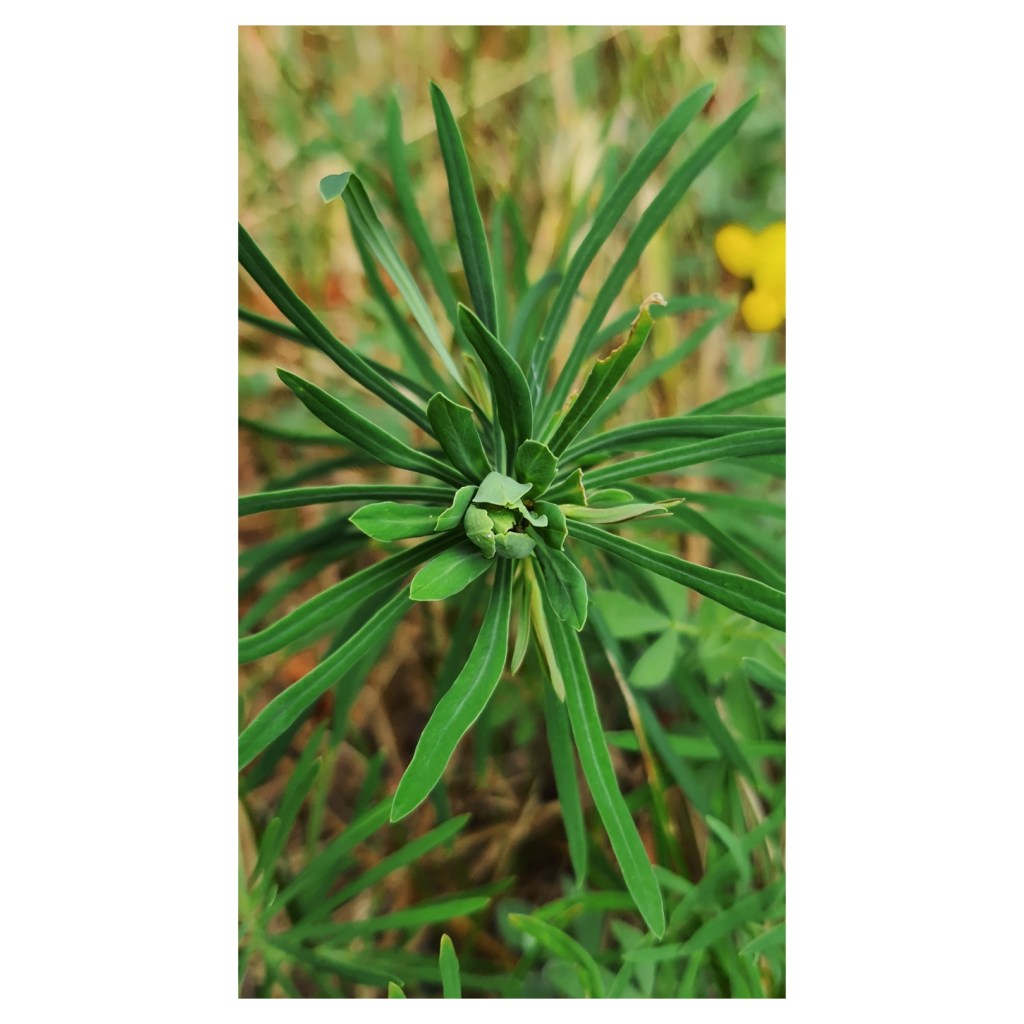
I have been struck by the variety of butterflies, beetles, bees and more here in Northern Italy in a way that I haven’t noticed before. The garden here is made up of a semi-wild, hybrid lawn with two small rectangles of land allocated for a veggie patch and a wild meadow, supporting an abundant insect population. There have been a couple of hair raising moments when iridescent, scarab beetles bomb their way towards me with as much agility as a 10-tonne lorry, but otherwise seeing such a menagerie of small creatures going about pollinating the veggie patch and other wild flowers brings me much joy and has cultivated a great deal of respect for them and a desire to nurture and protect.
Have you recently seen the natural world in a different light and documented them up close? Feel free to share your photos in the comment section below – I’d love to see what you have to share.
Do you feel as though you should always be doing more, or something different? That you should be better? That you can’t quite find the formula to make your life a success?
This has been me for the majority of my life and I’m certain you are no stranger to it either, the inner critic. The monkey mind. The ego. An all so common human condition that leads to a circular and continuous state of suffering. This isn’t exactly reassuring to know if you believe this is the only way to exist, bouncing from one state of doubt and worry to another but what if I told you that this mind-state could be considered abnormal, that it isn’t the state of mind that the mind really wants to abide in. My journey over the last year and a half has introduced an entirely new concept to me, the concept of “no-mind” where doubts and worries are softly let go and a peace and calm descends over your very being allowing you to move through life with fluidity and ease.
After I left university (an experience that baffled me from start to finish), I had concepts of what would happen next. With a little bit of effort, but not too much, I would find a decent paying job, certainly above minimum wage, I would live somewhere I liked (quiet area with a small garden and dry walls) and have enough money left over each month to be able to afford a car and replace my ageing clothes every now and then. My aspirations weren’t wild.
What I found to happen instead, was a far cry from my expectations.
I ended up travelling around the world for a couple of years as I couldn’t find a job in my field of study and I found living in the UK to be as baffling as the university degree that I took in it. Whilst travelling around the world is rarely viewed as a negative experience, a lot of this time was spent in fear and obsessive thought, thinking what on this blue-and-green Earth was I doing and shouldn’t I really be getting a “proper” job? A lot of the beauty of the moment was lost on me and many of my choices were based on “shoulds and shouldn’ts”. This mind-state eventually brought me back to the UK, where struggling to know what job to now pursue I ended up retraining in the fitness industry, scraping by on a minimum wage, working two jobs and being bled dry by the costs of rent and a car. This was a challenging time as I relied upon the support of family, friends and family friends to get by. There wasn’t any feeling of being a successful, independent adult when I was so heavily reliant on others propping me up and left me in almost constant state of confusion and anger.
During this period I tried to control all parts of my life through mental proliferation, where mental proliferation is the process of getting carried away with your thoughts, leading to the creation of more thoughts, more worries, more doubts and a world of suffering. Mental proliferation of the mind focuses on what has happened in the past and what may happen in the future, yet, the one place it cannot exist in is the present moment; the silver bullet to needless suffering. Now, at the time of university, subsequent global travelling and job working in the UK, I had no concept of my mind being the problem; it was my problem solver that got me out of trouble and into jobs. Right?
The world is infinitely complex and beyond our capacity to measure and map-out, it is thus impossible to control. The Daosists have a name for this web of inter-relationships, they call it the Dao. My explanation in itself misses the point as the Dao is, indescribable. A great ancient sage by the name of Lao Tzu famously wrote the Dao De Ching that beautifully puts into words the relationship we have with the Dao, being of the Dao itself, and acts as a framework for how we approach our lives and environment. In particular I was struck by Wu-Wei, a practice of “non-doing” of taking a step back and being more aware in the present moment, of not actively pursuing decision-making.
These concepts are beautiful to read and listen to and feel reassuring, whilst having a depth of ancient wisdom that touches you profoundly. What I found though with having discovered this information was that it still remained very much a mental proliferation, and did little to stop me analysing my life choices. If I was to follow in this practice of Wu-Wei (non-doing) then what was I supposed to be doing?! Perhaps you can see my dilemma.
I was stuck in theoretical Daoism.
That was, until I was introduced to the Buddha’s reflections on the workings of the mind. Now, until recently I hadn’t any interest in Buddhism, I considered it be the “philosophical religion” and didn’t see how it had any particular value or relevance in my life when I was so focused on my work and making ends meet. I had certainly read many a misplaced and out-of-context quote of the Buddha which may have superficially resonated with me but didn’t light a spark to follow it any further. What I have since come to understand is that the teachings of the Buddha are the most well understood teachings of the workings of the mind, that on discovery of these teachings I have been baffled as to why modern psychology exists at all.
The Buddha illustrates through stories and lists why the mind behaves the way it does (such as the mental proliferation of desire; making choices because you desire something and you want it and making choices because you desire to get away from something you dislike) and what the different results are based on how you approach a situation. However this approach is not analytical such as the way in Western Psychology, instead I see it more as a reprogramming, a reconditioning based on the Four Noble Truths and the Eight Precepts and so on that sets you on the path towards enlightenment and the end of suffering. These teachings help develop wisdom and the ability to reflect on the workings of your mind whereby you are no longer plagued by doubts, desires, hatred and more.
There is a trap here too however, just as in theoretical Daoism you can become stuck in theoretical Buddhism, which is why I was also taught the practical mind skills too, otherwise known as meditation. I’m not so sure that meditation compliments the Buddha’s understanding of the mind as much as it is the practice of the Buddha’s understanding of the mind. To forgo meditation in the belief that simply reading the written word will help you does not lead to the life-changing insight that is possible. Meditation is immeasurable despite what some technology groups may be trying to achieve today. I have heard people talk about entering into Jhana states and Buddhist monks who can meditate for hours or days at a time, yet meditation cannot be measured in terms of success by the experiences you have as much as how much you have let go in day-to-day life. My meditation practice has been far more basic, I typically sit for 30 minutes with nothing otherworldly happen, yet I do find myself enter into a more peaceful state where mental proliferation dies down and those immediate, loud thoughts slowly soften and dissolve.
This regular practice has been enough to slowly drop the notions of being a somebody that strives to make something of themselves in the world and to quieten the inner dialogue. This is turn drops the ideas of “I should be doing this or that”, “I should be here or there”, “will people still like me if I do this or that”, “I need to go out and save the world, but how?!” and has brought me closer to a state of Wu-Wei that I had previously tried to access through the thinking mind.
In time, this has led me to pursue awareness in the present moment above all else. Awareness itself does not hold as much theoretical or literary prowess, it’s not as exhilarating to read or hear about, yet, it has been the most powerful transformational tool I have encountered to date and can be harnessed and refined further through meditation.
I have found that when I am in this present moment, my mental proliferation subsides or simply doesn’t exist. I note that the present feels like “this” and this liberates me from the notion that there is any path to follow other than my own.
In Buddhism we can find advice on how to live a noble life as we embark on a path towards enlightenment. Regardless of your belief system these teachings can assist in bringing clarity towards your intentions and actions in life and can aid in shifting delusion, ill will and greed by stepping away from egocentric practices. Through this focus one can generate greater compassion and an appreciation for life “as it comes” rather than as “it should be”.
The Buddha talked about Dana (The Perfection of Giving) in relation to the teaching of ‘The Six Paramitas’ or ‘The Six Perfections of Character’ (there are 10 listed in Theravadan Buddhism). The Six Paramitas are the perfection of giving, morality (proper conduct), patience (or tolerance), effort, meditation and wisdom (or discernment) and are to be cultivated if we wish to move away from suffering towards peacefulness and happiness.
Dana : The Generosity of Giving
The Perfection of Giving is considered to be one of the first Paramitas to be developed as it develops the skill of metta (loving-kindness). As we develop greater metta we awaken our hearts furthering unconditional giving and selflessness. It is important to highlight that being the giver and being the receiver are of equal importance in this interaction. The Western awkwardness of “politely” rejecting gifts whether they be material, time, money or work, does not allow for a harmonised experience of giving and receiving. This conditioning of politeness can show us how far our conditioning can throw us from peaceful living. By denying a person the opportunity to give, we deny them the joy of giving and developing their metta further.
Giving and receiving arise as one, you cannot give without having a receiver and you cannot receive without having a giver so both sides must be respected in equal measure.
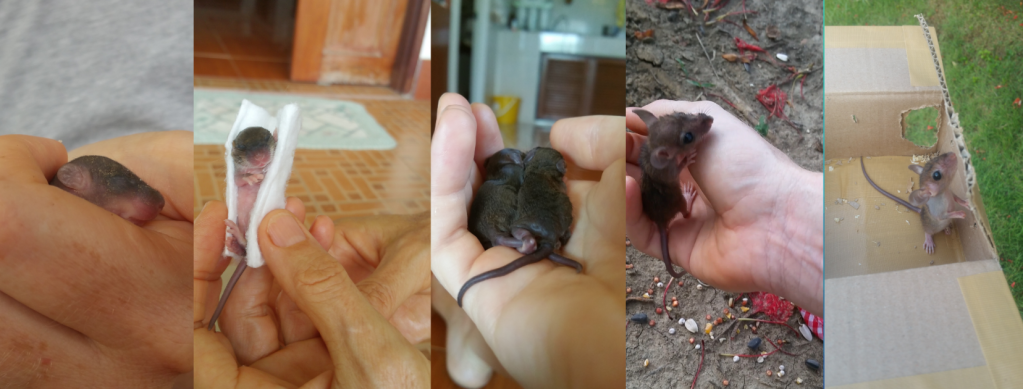
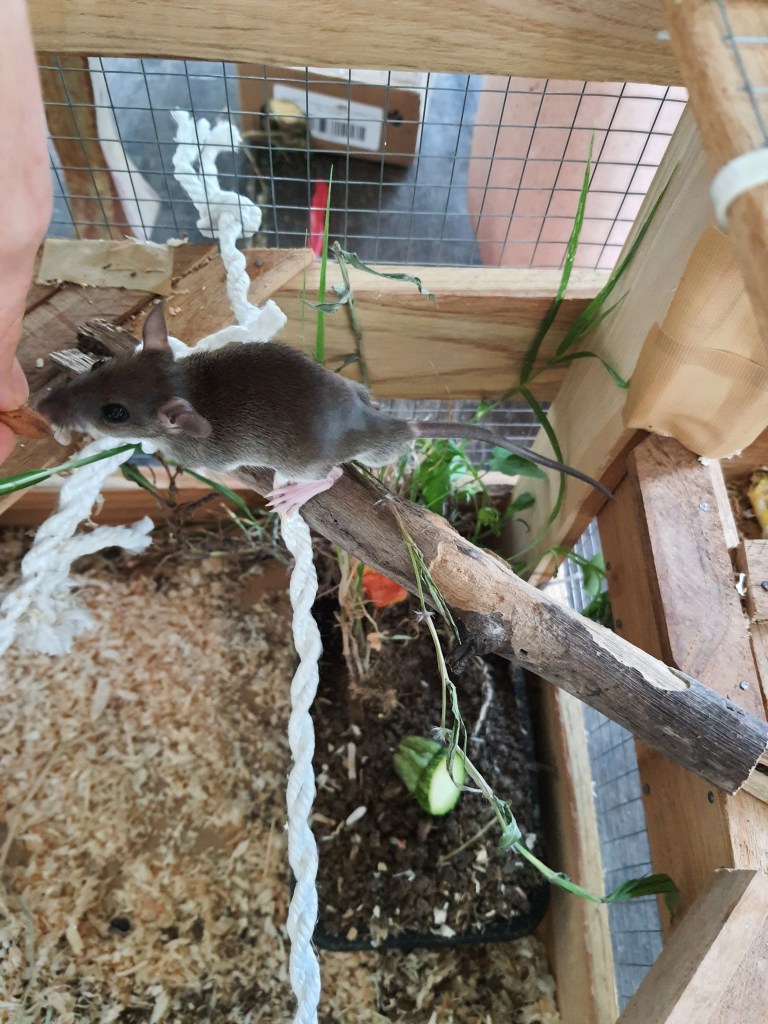
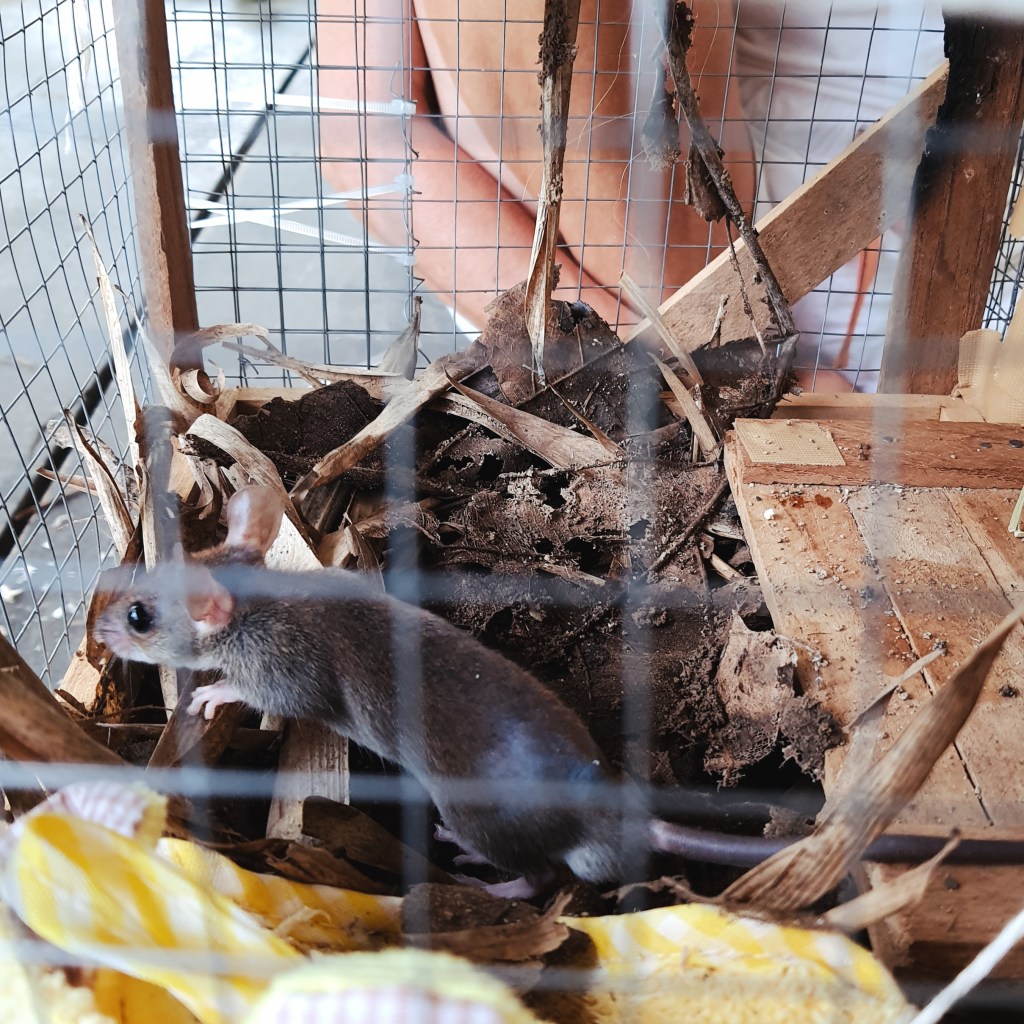
A personal experience of caring and rearing two wild-born black rats from the age of 1-week old to 6-weeks provided me with my first taste of selfless giving. In their pure innocence and vulnerability of needing to be cared for in order to survive, they gave me my first real taste of selflessness and the pureness and joy of giving.
To be accomplished in The Generosity of Giving can be expected like so:
“What is accomplishment in generosity? Here, a noble disciple dwells at home with a mind free from the stain of miserliness, freely generous, open-handed, delighting in relinquishment, devoted to charity, delighting in giving and sharing. This is called accomplishment in generosity.”
AN 4:61, NDB 450
The Eight Reasons For Giving
The Buddha mentions eight reasons that we may give a gift and these eight reasons can be interpreted as moving from lower levels of awareness filled with greed, delusion and hatred towards higher levels of awareness that bring us closer to our enlightened selves. These are as follows:
1. One gives a gift from desire.
2. One gives a gift from hatred.
3. One gives a gift from delusion.
4. One gives a gift from fear.
5. One gives a gift based in mental conditioning and obligation, thinking, ‘Giving was practiced before by my father and forefathers; I should not abandon this ancient family custom’.
6. One gives a gift in consideration of good kamma in the next life, thinking: ‘Having given this gift, with the breakup of the body, after death, I will be reborn in a good destination, in a heavenly world
7. One gives a gift for the purpose of joy, thinking: ‘When I am giving this gift my mind becomes placid, and elation and joy arise.’
8. One gives a gift for the purpose of ornamenting or beautifying the mind and increasing the skill of metta.
As you move down the list of reasons for giving, the giver becomes less and less identified with themselves as an individual needing to accomplish something in life and more in tune with the wholesomeness of the practice where the giver and receiver are one. As we develop this practice we move away from expecting outcomes from our gift giving realising that the act of giving is to let go of the ego rather than to fuel it further.
The next time you find yourself involved in the act of giving, give yourself the opportunity to reflect before, during and after on the above points. Perhaps you can identify the intention behind your gift giving based on one or more of the points. Where possible avoid rational thinking and reasoning from taking charge and instead be aware that this action is resulting in mental proliferation (trying to “figure it all out”). Be aware that the act of giving felt like this and trust in the present moment awareness where no action is needed to be taken and the awareness itself is all that’s needed.
If you found this to be helpful or of interest please like, subscribe and share and drop a comment down below and thank you for taking the time to read!
Saving an animal’s life shouldn’t have to be costly. This is my comprehensive, no frills account of wild rat rearing based off my own experience.
If you have been following my blog you will know I recently adopted two baby wild rats. As you might imagine, there isn’t all that information online on how to rescue and rear wild rats (most focus on eradication), so I had to make do with a selection of articles and blogs and piece it all together. In addition to this, all blogs/articles assume you have access to a wide range of products and vets to help you along the way, which I was without. What I have chosen to do is share my experience on how to save a rat sans vet, sans fancy soy formula or fancy heating pad. This is a rat rearing help guide for living out in the sticks; from capture to release.
1. Return them to their mother.
So you’ve found some baby rats. If you have found rat babies in a nest, leave them there, their mother will be sure to return soon and will move them to a new nest if need be. Taking on rat babies should only be attempted if there is immediate danger, or you have clearly identified that the mother has died. In my case it appeared that they had been pulled out of their nest, I suspect by birds, and left exposed in an open area where they were being pecked at. I was unable to locate their nest and I couldn’t have left them where they were without there being a risk to their lives.
Don’t interfere unless necessary.
2. So you’ve decided to become a rat mother and you don’t have access to a vet.
At this stage most blogs suggest you take your kittens to a vet. I found Pip and Ratty at approximately 6 days old. Their eyes and ears were still closed and they had signs of fur breaking through. After my initial, unquestioning impulse of rescuing them it began to dawn on me that I may not have picked the “cleanest” of creatures to save. Rats are known to be prolific disease vectors, meaning that they carry bacteria or parasites in their blood or through third party travellers such as fleas. The rats themselves are not affected by these pathogens and appear healthy yet these can be transferred onto humans through close contact. This social conditioning was further compounded when I identified Pip and Ratty as Rattus rattus, the black rat, also known as the roof rat, as opposed to the brown, larger, sewer rat. Something about having a plague harboring creature in your home doesn’t feel like a grand idea.
When talking in scientific terms its hard to remain emotionally attached. My experience with Pip and Ratty however couldn’t have been any further from that fact, and was a greatly rewarding experience where they taught me much about their own cleanliness, intelligence, playfulness and innate natures. Should you have found this blog because you too find yourself in a similar experience I’m certain you too will become bonded to your rat kittens.
The only information I could find on baby rats carrying diseases suggested that at least until 1 week old they are simply too small to harbour anything nasty. This makes sense when you consider that parasites and bacteria require their host to survive in order for themselves to survive. A baby rat will not be able to provide the sustenance these pathogens require to survive without killing their host and therefore themselves. It is of course recommended to practice safe hygiene, wash your hands thoroughly and don’t have them up near your face.
If there is any serious defect or injury to them, it is my own personal philosophy that it would be kinder to place them somewhere warm and quiet and allow them to move on. It so happened that at week 3 Pip picked up a suspected chest infection and within 24 hours passed away. You can read more about this in my previous blog “What Is Death?”. Pip and Ratty both came to me with cuts to their skin from bird pecks which I gave a gentle wash with warm water using a cotton bud – these healed quickly.
3. Keeping your kitten warm.
Until they start to develop their fur at around 2 weeks old, your kitten will be unable to keep itself warm. If you, like me, don’t have access to a heating pad or a thermometer to monitor the temperature of their new box home, you can use a hot water bottle wrapped in cloth and a little common sense. Ensure its not too hot as not only would it be painful to rest on but it can also dehydrate them. I opted for a little warmer than lukewarm and regularly checked it and refreshed it once it had cooled. This is a 24 hour job until they’ve grown enough fur to self-regulate. I placed them in a small-medium sized cardboard box along with some cushion wadding and hair from a hair cut for them to cosy up in! Make sure that whatever material you place in their box that they can’t accidentally become entangled in; felt or fleece are a good option if you have it. Whichever option you use for keeping them warm, ensure there is enough room for them to move away from the heat source if they need to cool down. Another thing to note is that your cardboard box should have enough height and a lid, you’ll be surprised at how much a blind rat explores and the speed at which they do, and they will climb out if the opportunity presents itself. Do not be complacent!
4. Keeping your kitten fed.
The thing I struggled with most at the start was knowing whether or not they were dehydrated. If they’ve been separated from their mother for some time it’s likely they will be. If you scrunch up the skin around their neck and it remains in that position after more than a couple of seconds its likely they are dehydrated. Whilst this is likely to be true I did also think that perhaps they’re simply wrinkly with plenty of extra skin. When I wasn’t sure I tended to water down their feed a little more.
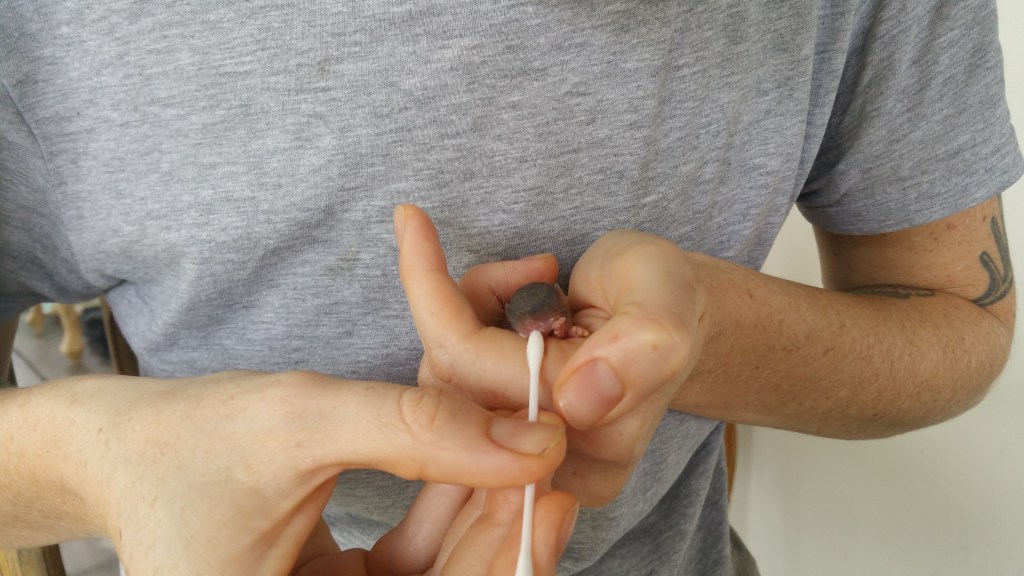
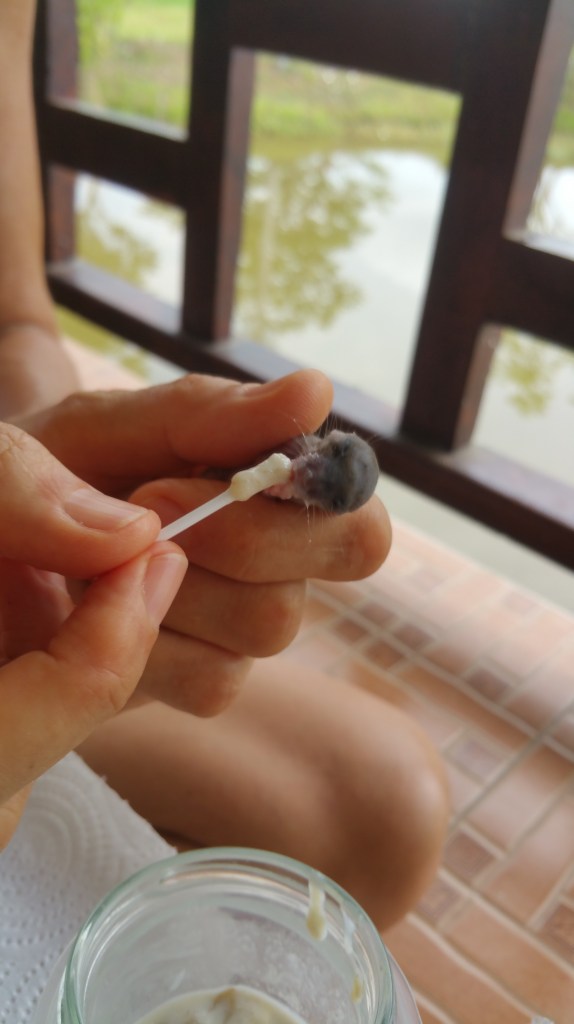
For the first 12 hours I only had cows milk and evaporated milk on offer so offered this up via the means of a cotton wool bud as I had no pipette on hand. Like with most creatures, cows milk is not the best substitute for their mother’s as the compositon of milk is very different. The closest replication to rat milk is actually human baby formula, with soy being the better option. In my case it was the regular lactose based formula for ages 0-1 that was on offer and it worked perfectly fine.
I found this blog to be helpful to know how much to feed my kittens as well as what their feed cycle should be. As I lacked a pipette initially I had no way of accurately calculating this so I relied on the kittens showing disinterest to determine when they’d had enough. Using a cotton bud was awfully slow and tedious and I did worry that it wasn’t working for them either as there’s only so much volume it can hold. So relatively early on (before reaching week 2), I added in a little mashed banana to the formula making it denser, which was a success. Over time I increased the mashed banana to formula ratio until they were weaned. I did eventually get a pipette which made feeding much quicker. The drawback to this method is being careful that you don’t force the food down too fast which can result in either forcing air into their stomachs causing a painful bloat, or forcing food into their lungs which will either cause suffocation or a chest infection. Whilst using a cotton bud it was certainly easier to avoid either of those things. You may notice that your kitten will open it’s mouth like a baby bird, this is a sign that it’s ready to power suck, a move that is possible when feeding with a pipette but not so much with a cotton bud.
In terms of how to hold your kitten during feeds. You may find them to wriggle. You can hold them firmly upright by the scruff of the neck or you can encase them in your hand, keeping their legs tucked in. Patience is a virtue.
Until week 2 they are unable to defecate by themselves and would have received stimulation from their mother to elicit a bowel movement. Before or after each feed you’ll need to stimulate their genitals, using a cotton bud dipped in warm water, to encourage them to poop out a small pellet and urinate. If its too runny they have diarrhea and you’ll need to make sure they don’t dehydrate. If they don’t urinate it’s likely they are dehydrated.
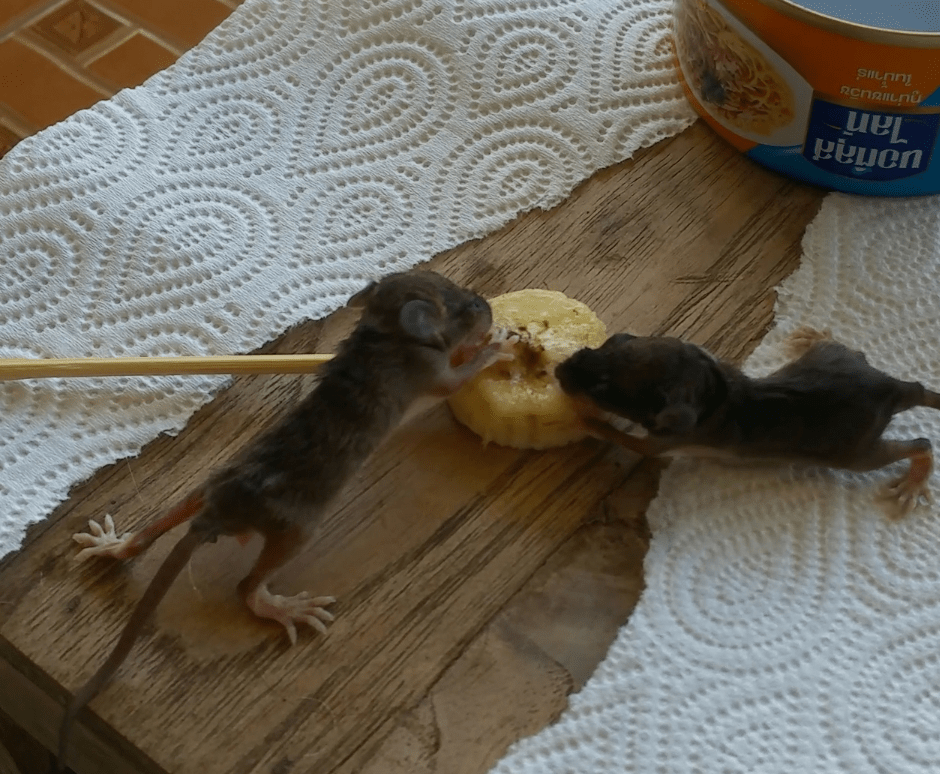
Once their eyes had opened at approximately 2.5 weeks, I steadily introduced soft, whole foods such as bananas and cucumbers in a tin lid laid on the floor of their cage (until their eyes open you will need to keep feeding them by hand to avoid them accidentally inhaling food/liquids through their nose). It wasn’t long before their range of foods widened and they could handle seeds, nuts, hard veg and meat. I avoided giving them any cooked food as much as possible. I did get a hold of hamster biscuits (as rat biscuits weren’t available) which I gave in small portions, as well as dried alfalfa to keep their fibre intake high.
The final note in terms of feeding is that once they were fully weaned I had to cycle through many different foods to keep it varied. After week 4, I searched for insects and beetles from the garden to feed Ratty.
5. Deciding on releasing or keeping your kittens.
It’s important to know from the start what you plan on doing with them once they’re weaned. Of the articles and blogs I could find most people suggested they kept the rats as pets, not many rewilded them. Depending on your goal will affect how you handle them. Up until approx week 3, you will be hands on with them as you hold them for feeding, cleaning etc. Once their eyes have opened and they have good motor control there is less need for you to handle them unless you intend to keep them as a pet. If this is your intention ensure you handle them regularly as their wild instincts will be dominant and if left unhandled will not make for good pets. If not, you want to try and limit how much you handle them so that they remain wild and independent. What will also influence how much you physically interact with your kittens is how many you have. If you have two or more, they will bond with one another and will be less likely to interact with you. In my case, Pip passed away at 3 weeks old leaving Ratty on his own. Rats are social creatures and find it stressful being on their own. I tried to find a balance between keeping some physical contact but trying not to tame him. I can’t be certain I found the right balance. I would find that he would play with me much like you would with a dog and he would gently nibble my fingers as if practicing fighting off a snake. Should Pip have survived, Ratty would not have needed my attention as he would have bonded with Pip.
From weeks 3-4 I released Ratty in the garden each afternoon to allow him to explore and run around. After a few days of this he became much bolder and without a sealed enclosure to keep him in it seemed like I might lose him. At his age of only 4 weeks I felt him still too young to leave the nest so I unfortunately had to keep him in his cage until the day of his release around week 6. At 6 weeks of age you rat will have its adult coat and will have ballooned in size making them more capable of surviving in the wild.
6. Housing your kittens.
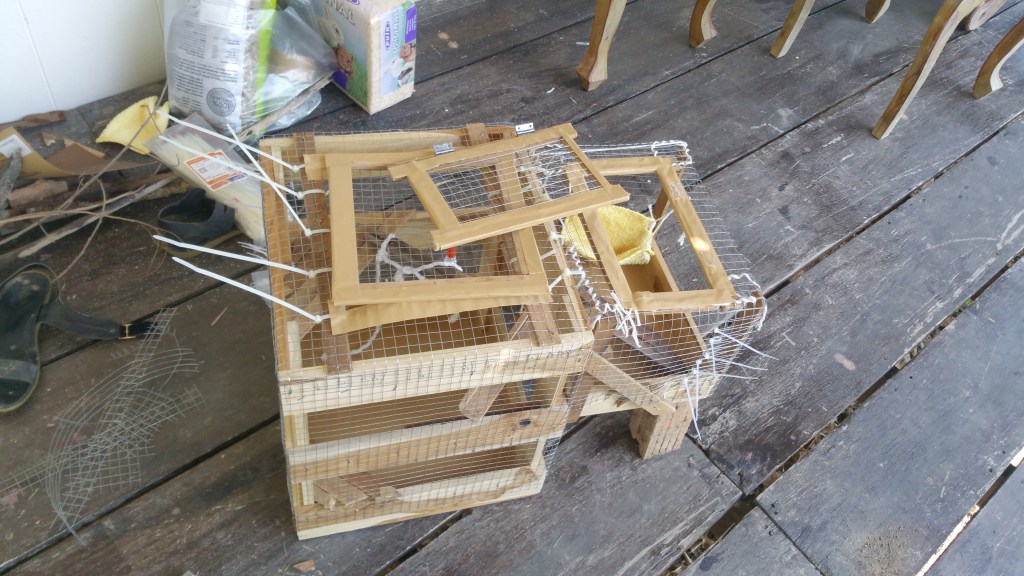
Until their eyes opened I kept them in a medium sized cardboard box with bedding and a hot water bottle. During this time I worked on building a cage for them. I tried to make it as exciting as possible so they could practice climbing and jumping, as well as walking along unstable surfaces. I lined the floors of the cage with duck tape to avoid Ratty’s urine soaking into the wood and covered it with saw dust, occasionally also adding barks, leaves and grass from the garden. If you opt to buy a cage you’ll want to choose metal over plastic as plastic can be chewed through.
I added various, homemade toys to place in their cage to keep them entertained with a digging pit being the greatest success. Other games involved hiding their food under rocks or bark, or inside stuffed toys, or hanging their food where some problem solving was required to get to it. A list of inexpensive rat toys can be found here.
7. Helping your kittens leave their nest (and you).
With the aim of releasing Ratty at week 6, I introduced him to more and more items from the garden including leaves, stones, insects (if I could find them) and I would also provide him with a tray of soil and grass which he could dig in. Digging was by far one of his favorite activities and if there were insects or seeds hidden in there, even better.
His releasing happened very naturally when one day as I was cleaning out his cage in the garden, he managed to pull himself out of the top hatch. I allowed him to decide what he would do next, which was to jump back inside the box. A short while after he managed it again, this time climbing down the outside of the cage and running to the nearest shelter in the garden. This happened in the late afternoon when I found him to be most active after sleeping mostly during the day. He spent roughly one hour exploring a small area of the garden and still interacted with us. We were still able to touch him and pick him up however we chose to leave him free, with access to his cage and food if he wanted it. After leaving him sheltering under a plant pot with a couple of fleece blanket cuttings and food that was the last we saw of him for about 2 weeks. Since then he regularly visits our bird table for snacks. It was a wonderful experience caring for him and it was with a selfishly, heavy heart that I released him.
8. Don’t be hard on yourself if they don’t make it.
Lastly, understand that death is a part of life. If despite your valiant efforts they don’t make it, take solace in the experience you shared of providing kindness and compassion. Your life and theirs will have been greatly enriched.
9. Helpful links.
I found the below articles and blogs to be helpful in terms of caring for baby rats.
Recently most days here in Northern Thailand average around 38C on the thermometer, combine that with high levels of humidity and you get a real feel of 44C. Rather than blistering, it’s stifling, such conditions are lethargy inducing and regardless of whether you’re sat in the shade to escape the sun, sweat exudes from every pore to leave you feeling sticky, clammy and a little irritable. Talcum powder is a must. The only saving grace are the thunderstorms that arise bringing a breath of cool, drying air (they don’t always bring rain), although can verge on category assignation at times, which when living in a wooden hut with a corrugated roof, is a little scary.
I read of a scientific study recently that humans can live in environments that have an average, yearly temperate of 29C or less. Anything more than this is considered inhospitable and as a result of climate change, (regardless of your view as to how or why this is happening) more and more of Earth’s surface will average above 29C thereby diminishing the area of land that humans can inhabit. Combine that with a rising sea level and our projected population growth and that’s a lot of people living in a very small area. Now might be a good time to invest in talcum powder stocks (not financial advice). Just like animals, humans need space to roam and just like animals kept in small, zoo enclosures, humans also do not fare well (psychological, emotionally and physically) when also kept in continuous, close proximity with other humans (consider cities and high-rise tower blocks). Humans living in such conditions are those pacing, caged lions and rarely know it mentally, although physically their bodies know.
As a result of the tropical climate here, ecosystems in general have a vast array of critters and creatures. The speed of life, death and decay in tropical climates is faster than that of cooler climates yet ironically, human living, from observation, tends to be slower and less impulsive. The slow life here is revered rather than frowned upon. One particular critter that helps accelerate decay is the termite, and the termites and I been battling it out over the wooden house I’ve been living in the past few months. Not only do they live in the ground surrounding the house but they live in the wood of the house itself and many nights I’ve fallen asleep listening to cupboard doors being munched away. Until recently I had accepted this was how things were, it was apparent that they weren’t in my immediate living space where my possessions could be damaged and having spent time digging the garden over I had become well acquainted and fascinated with their nest galleries, some of which were vast in size measuring more than 20cm deep and wide – was it used as a theatre hall? With the recent change in weather however and increased dampness, the rate of termite activity was on the rise and they were becoming bolder.
I researched ways of combating their activity using effective but non-environmentally damaging chemicals that could lead to a collapse of their colony. It seemed pertinent however to inform the landlady of the termite development so she could make an assessment on damages and plan a course of action. From this I found myself again in a situation similar to that of the mist nests where I felt my views on the environment and conservation were at odds to those I was dealing with, mixed with cultural and language barriers, and emotional triggers. The proposed plan of action was to use an insecticide to spray under the house which has been built on raised concrete columns, thereby killing the subterranean and house-bound termites. At first this seemed like a perfect course of action, it would eliminate the threat of damage before the wet season. Yet I was feeling more and more uncomfortable about this decision especially not knowing what insecticide would be used. I am very conscious about my environment and do not unnecessarily expose myself to harmful chemicals, EMFs, light or any other pollution and should there be a threat to this then research is necessary! There was also a risk to the geckos (both small and large) and anything else living in or around the house and suddenly it seemed I’d landed in a situation I didn’t want to be in.
It’s important to point out here that Thailand is one of the top users of harsh pesticides and insecticides in Asia. With food exports standing at nearly 40% of their GDP, crops need to be bulk produced and losses in yield are less likely to be tolerated. Hazardous chemicals of this nature can cause neurological and nervous system damage, kidney damage, headaches, vomiting, muscle spasms, birth defects and death of which many farmers fall prey to. Sifting through news reports it appears that Thailand cannot be held entirely to blame for its pesticide use as recent attempts in 2019 to ban hazardous chemicals were met with resistance from the Americans whose diplomatic strategies include revising trade deals and threatening boycotts, thereby preventing a full stop to the use of such chemicals. The U.S. Department of Agriculture Undersecretary Ted McKinney asked Thailand to “postpone action on glyphosphate”, one of three hazardous substances, citing a U.S. Environmental Protection Agency assessment in 2017 that glyphosphate “poses no meaningful risk to human health when used as authorized”. The World Health Organisation classifies glyphosphate as “probably carcinogenic to humans” and yet somehow human politics allows the strong-arming of smaller countries into maintaining dangerous practices. Of course it’s difficult to believe everything the WHO states given the current global situation, especially when financed by one of the richest men in the world, yet I think they’ve got this one right, although “probably” should really be replaced by “definitely”.
This strategy is not only used by the Americans, a quick YouTube shows up that many African and Asian countries are used as dumping grounds by the EU for toxic electronic waste, claiming the countries are purchasing this waste as second hand goods, knowing full well that a lot of their sorting practices are done by hand without PPE. Continuing down the recycling rabbit hole, another quick Google search identifies that 45% of the UK’s household waste is recycled. Dig a little deeper and it turns out that the figure of 45% indicates only how much waste is sent for recycling, not how much is actually recycled. As much as 82% of your household waste has been sent to incinerators in 2018/2018 in the UK alone. And of the stuff that is recycled where does that land up? The majority of it is not dealt in the UK at all but is sent to Malaysia after China closed its borders to any further imports of rubbish. Much of what enters these countries cannot be recycled and is either incinerated or dumped in landfills. That’s not to say that recycling doesn’t happen and that there aren’t success stories but the rate of recycling is far, far lower than is needed partly due to the cost, partly due to the technology available and partly due to politics. It’s pretty sickening that these supposed “first-world” nations use poorer nations as dumping grounds; out of sight, out of mind. Yet again, the governments of these nations cannot hold all the blame, each of us is responsible and has contributed to the world we find ourselves in.
So what is the solution? If you are of the engineering persuasion then new technologies still need designing to make recycling more cost effective and efficient and allow more materials to be recycled. If this is outside your remit then the simple solution is to go inside of yourself and understand your desires. By doing this you work through your negative emotional patterns that have you believing you need a brand new smartphone to keep you up-to-date and addicted to social media; that your purchasing of “fast-fashion” keeps people believing that you have excessive disposal income and heaven forbid that you should never be seen wearing the same clothes twice; that your parenting techniques allow your child boundless material possessions, etc. By working through your dysfunctional and delusional thought processes you desire less, you spend less, you consume less and your impact on the environment diminishes without any forcible action.
Going back to my housing crisis, it perhaps won’t surprise you to know that the insecticide used to fumigate the house (both outside and inside – luckily I’d packed everything away), was far harsher than I’d naively wanted. I moved out temporarily as I was told it would take a day for the smell to disappear. I visited the house the following day and walked around to see the damage, I feared that my houses’ one and only tokay gecko wouldn’t have made it. A croak from somewhere to my left brought my attention to my beloved tokay gecko lying beneath the house with a younger, juvenile lying dead beside it. The adult was still alive, but laying in an area so exposed during the day was uncharacteristic and moving going closer towards it, it was clear it was incapable of running away to hide. A while later when it appeared that builders would do some further repair work on the house, I wrapped the two geckos up in my t-shirt and took them to my Mum’s garden where the one could see out its final hours in relative peace and quiet. I carried a lot of guilt for the death of those geckos and many more whose bodies lay strewn around the house. The strength of the insecticide was so much that one week later I still have not moved back in and don’t foresee it happening anytime soon. I have reflected on what I could have done differently and on the politics of dealing with other human beings over things that should not have to be discussed. My stay here is short and my rights are no more than that of a tourist but what happens here and how they treat the environment has as much impact on me as it does their own fellow neighbours. The impact of each and every one of us is felt by the rest of the human species and yet most people don’t behave appropriately, or have the inclination to change, or lack the knowledge to behave differently. My conclusion was that it would have been inappropriate to attempt to lecture them on how they should insecticides and the damage caused to both the environment and their health when I hold such little rapport with them, but in hindsight I could have treated the ground myself with a “safe” insecticide. People should be treated with the same respect you would like to see them treat the environment; shoving your “Western” ideals down someone else’s throat no matter how well-meaning is surely only going to strain relationships further.
This leads me onto one final point that I considered as result of this experience – how do you weigh up the consequences and impacts of your personal choices on the environment. I want to read research papers that have definitively broken down the carbon and environmental cost of pretty much everything. For example, if I were to build a home, which building material in that particular location has the least impact. Is the impact of treating structural wood with pesticides, fungicides etc of less consequence than not, but then continually replacing the wood as it decays? The same can be said for repainting and varnishing homes which must have some toxic impact on the environment. Is it best to remedy your home with such things to keep it from falling into disrepair knowing that it cannot be recycled in future, or is better to allow for decay and then rebuild at a later stage when it’s no longer structurally safe? Are buying clothes made from recycled plastic of better value to the environment than buying cheap, cotton clothes? Without this sort of data every choice made is marred by the limit of information you hold and your willingness to seek it out. One solution of course is to simply reduce your capacity to consume thereby eliminating much of your environmental impact. No one needs even half of the variety of items as they believe they do.
**Thank you for taking the time to read my blog. If you have any links to the research papers I mentioned an interest in, please feel free to comment them below. Please also leave a comment if you found any of this interesting and/or would like me to write more on any given topic. All the best**
I am not what I’m thinking, I am who I’m being. A human being, not a human doing.
It is coming up to 6 months now since I left England to spend time with my mum in Thailand. I had felt increasingly that I was becoming more and more disconnected from myself as I buried myself deeper and deeper into doing more and more, feeling that I was trapped on a fast paced treadmill taking me further away from knowing who I am.
I had decided several months before my departure date that I would leave and worked and saved hard to allow myself enough financial reserves to take an extended time out from working. My aim was to join my mum in a peaceful area of Northern Thailand and reconnect with myself to figure out who is Emily.
My decision was not precipitated by any calamitous event, if anything, looking through the eyes of traditional “success” I was well on my way. I had a loving partner, I was spearheading my own project at work and was slowly but surely growing my private Personal Training business. Yet there was a continuous nagging feeling that this wasn’t the right path for me. Despite these “advances”, I was feeling more than ever that I could not decipher who I was as a person. My days endlessly looped around hours of work, training, binge watching Netflix and gardening; my mind constantly chattering about how to “improve” my situation amid feeling a deep sense of lack. I found my mindset hardening as I increasingly used logic to solve my way out of my situations (useful when dealing with logical situations such as how to get my bike started when the battery is flat, not often the case when trying to navigate the vagaries of life). In addition to this I was dogged by dreams of sitting at airports waiting for a flight to take me away. Plagued by doubt as to whether I should listen to my dreams and whether leaving was the right thing to do, I spontaneously purchased a plane ticket to Thailand. Sharing the news with Kelly was difficult, a communications event I messed up, and yet she only became my strongest supporter as I prepared my departure.
With hindsight, my departure from the UK coincidentally coincided with the rise of Covid-19 and had I left it any longer, I would have missed the opportunity of being here. My focus when I first arrived out here involved having a routine of physical activity, massages to eliminate excess tension in my body and to help heal a motorbiking accident, a strict eating regime (no grains or coffee!) and to figure myself out, all at once. I was still carrying the adrenaline charged, iron-fisted, dopamine-addicted tendencies from my recent lifestyle and I did battle with the new influences of meditation and Buddhist and Taoist teachings that my mum brought to the table. There was conflict not only externally but internally too and on any given day it would either be the routinely physical mindset dominating or the mindless meditation attempting to push the reset button. Over time though I felt myself dropping more of the ideas and beliefs I had about myself and a small glimmer of who Emily is has started shinning through.
I was not my likes or dislikes, I was not my jobs (past, present or future), I was not my fashion sense, my genetic inheritance, my failures or triumphs, I was not my thoughts, I was not my emotions. Instead what I realised was that I am responsible for dropping all these notions of who I think I am and instead need to learn to live at one with nature and humanity in a way that promotes sustainability and yes, love.




 TheForceOfDao