Tag: NaturalWorld

  • What is “Project : JourneyHome”?

    What is “Project : JourneyHome”?

    At its core, Project: JourneyHome is my way of documenting the process of finding my way back to myself at time of much uncertainty. It began as a quest for a literal home—a destination at the end of a voyage, much like the hero’s journey. But, as with any true journey, I’ve come to see that the external only mirrors the internal.

    Within us all is a calling, one that many of us cannot hear. Some people hear these in childhood, and for others, they come later in life. It’s not something that the mind can decide, it’s a matter for the heart.

    Age is certainly a relevant factor in wanting to settle down, yet for each of us, this process is unique—a different calling, a different path. To me, this project is about recognizing that we all carry these callings, sometimes tucked deep within not having been heard in a long time. It’s about learning to stop, to let the mud of the mind settle until the water clears, revealing what’s true for us. When we think too much, emotions churn, and the noise of the mind drowns out the stillness required to hear our hearts.

    We convince ourselves, and others that purpose is something to be chased with thought, but I’ve found it’s not the mind’s job to uncover it. Instead, it’s in the quiet—in the presence—that purpose whispers. This takes practice, a skill we’re all capable of and were in touch with as children.

    The home I seek outside only takes shape after the one within is at peace.

    Within us all lies a need to feel accepted, to be at peace in our own lives. Symbolically, the home reflects this: a place of safety, nourishment, and family, where we cultivate our hearts to love those closest to us—and then the world beyond.

    My Process

    Where do I begin? How far back do I go to show you where I stand now and how I’ve come to see life? For me, it’s only recently that I realized I’ve had a dream all along. As a teenager and young adult, I suffered from not knowing what I wanted, believing I didn’t have a dream. Without a dream, my life lacked direction and purpose. My mind spun endlessly, trying to figure out what I should be doing. Nothing seemed to fit. I saw others walking their paths—leaving university for jobs, traditional careers, digital nomadism, freelancing, entrepreneurship, infleuncers… I don’t dismiss these roads; they’re all valid, all needed. But my heart doesn’t sing.

    Then, something shifted recently. I can’t pinpoint exactly when, but I remembered a childhood dream: to live in Africa. Growing up, I’d heard stories from relatives who’d been there, watched films like Born Free that set my heart ablaze. Every Christmas and birthday, I begged my mum for a lion cub. Of course, I was disappointed each time she didn’t deliver—though I can’t blame her for not producing a wild animal! At some point, that dream faded. I don’t recall being talked out of it; it wasn’t that overt. Instead, I think society’s conditioning—school, the push toward university, jobs, and city life—funneled me into believing Africa was for “special” people, other people, not me. I never questioned why I couldn’t go; the belief just settled in, a quiet limitation I didn’t see.

    Recently, though, it dawned on me: that dream never fully disappeared. For nearly five years, I’ve been exploring my mind, drawing from Buddhist teachings about desire—how it can overtake us, how we refine it to know what’s true. There’s a difference, I’ve learned, between a fleeting craving and a deep calling. A desire—like wanting ice cream and then sulking when the shop’s closed—is impatient, overpowering, blind, it draws us into suffering. But a childhood dream? That’s gentler. It arises again and again, patiently calling out to be fulfilled. Some might call it God’s voice, the universe’s nudge, or a purpose etched into our DNA. Every cell feels drawn to it. Ignore it, and it’ll return—sometimes loud, sometimes soft. I’m learning to come to trust these callings. I don’t overthink them so much anymore—why this one? Will it succeed? Is it needed? All I know is there’s a loose end to tie up, and when it’s done, the mind lets go. I don’t even know when the mind will let go, it’s always mystery and it’s none of my concern.

    Rediscovering the Dream

    This dream—to go to Africa—isn’t about fame or fortune. It’s about listening to the inner child who’s been whispering all along, thrilled that I’ve finally heard her. “Yay, thank you!” she says. It’s taken a long journey to reach this point, shaped by moments I’ll share as this unfolds. Some people know their dream early and pursue it; others, like me may have buried it, dismissed it as childish, put it off, or forgetten it entirely. And that’s okay—there’s no one right way, sometimes many other lilfe circrumstances need to fall into place first before we’re ready. What matters is we don’t compare our paths. Each of us has unique lessons, a personal combination to unlock our hearts.

    This is where Project: JourneyHome begins. If you’re curious to see how it unfolds, sign up for my latest posts. Through this, I hope to inspire you to listen to your own heart’s calling—whether you’re young or old, rich or broke, shaped by joy or struggle. We all have a childhood dream we can still chase. Let’s find it together.

  • How Conditioning Shapes Our Choices: A Reflection on Frost

    How Conditioning Shapes Our Choices: A Reflection on Frost

    …and it has made all the difference, has me cringing on the inside.

    Robert Frost’s poem, ‘The Road Not Taken’ is world renowned. The final three lines “…two roads diverged in a wood, and I – I took the one less traveled,” has famously been used in marketing and advertising, motivational speeches and all things regarding making the “I”, the individual stand out, possibly making the most popular undertaking of this passage to alert others to your individualism and ability to step away from more traditional paths. However, like my last blog that talked about the Chinese bamboo parable, this poem is also often misunderstood so today I would like to offer my own reflections on it with a Buddhist spin. First though, let me offer it up for you to read through and make your own assessments before I offer mine.

    The Road Not Taken 

    by Robert Frost

    Two roads diverged in a yellow wood,
    And sorry I could not travel both
    And be one traveller, long I stood
    And looked down one as far as I could
    To where it bent in the undergrowth;

    Then took the other, as just as fair,
    And having perhaps the better claim,
    Because it was grassy and wanted wear;
    Though as for that the passing there
    Had worn them really about the same,

    And both that morning equally lay
    In leaves no step had trodden black.
    Oh, I kept the first for another day!
    Yet knowing how way leads on to way,
    I doubted if I should ever come back.

    I shall be telling this with a sigh
    Somewhere ages and ages hence:
    Two roads diverged in a wood, and I—
    I took the one less travelled by,
    And that has made all the difference.

    What this poem invokes in me is a reflection on the conditioned mind and how our thought processes manifest around choice and decision making and whether we have free will.

    From the moment we are born our mind is conditioned by our external environment. You may think of your mind as a blank page which accumulates more and more computer code as you age, where once a code has been entered, will run a certain programme in the future once certain conditions have been met. If you are familiar with the science experiment conducted by Pavlov on dogs, you’ll know that he conditioned those dogs to salivate for food on the ringing of a bell, regardless of whether food was presented or not. In much the same way, in exactly the same actually, we too have behavioural responses that are pre-determined as a result of our conditioning. Some of these behaviours we may have awareness of and may chastise ourselves for behaving in a given way when pleasurable circumstances haven’t arisen, yet mostly we don’t realise our programmed response at all.

    This is where the beauty of Buddha’s teachings come in which illuminate the workings of the conditioned mind – you may think of it as an incredibly helpful guide book. The Buddha speaks to bring awareness to the workings of the mind and show us that the mind is influenced by conditioned phenomenon. In the West, in particular, we are conditioned through childhood to believe that we are the mind, that we are our nationality, religion, gender and traditions of our society, that we are our choice of sports team, clothing or political party. To refer back to the computer programme analogy where our minds are just lines of code; a code is not capable of recognising that it is a code, in the same way, the mind (which can also be read as the ego) is not capable of recognising itself. So who or what is it that is aware that the mind is only a set of conditions? This is what is to be considered in finding your ultimate reality or true self. If you identify as being a sports fan of a particular team yet realise that the only reason you support that team is because your father did, then that conditioning cannot be you. If you only eat certain foods because you were cooked only certain cuisines when you were a child then that conditioning can also not be you. By stripping away all these ideas we have of ourselves, then what is left? Surely it is only awareness itself.

    To bring Robert Frost’s poem back into the picture it seems to me that he is aware of this preconditioned decision making, that there is no decision maker or free will, the mind is simply running a programme based on the conditions it has encountered. The poem finishes off by reflecting on how the author will interpret and narrate the choice he made to his future self, ruminating that he would tell himself he did have a choice perhaps because it is more comforting to believe so. I would suggest though, that with awareness one would come to realise there are no paths in life and no decisions to be made, perhaps even that free will isn’t desirable. As I have mentioned in my blogs before, there is only present moment awareness and its awfully hard to draw out a path in the present moment, after all, the Daoists refer to experiencing living as the ‘pathless path’.

    As its not possible, or even desirable to erase the mind (as some horrifying experiments have attempted to do so), yet it is still able to be conditioned over time, we can behave with awareness to direct ourselves towards beautifying our minds with wholesome actions. We can, in a sense re-programme our minds as we come to realisations through awareness that we are not our minds. We are awareness itself. And from there, it seems to me, is just the beginning of self discovery.

    If you enjoyed this blog then please click the “Like” button, share it with your friends and drop a comment below letting me know what other topics you’d like me to write about. Thank you as always for taking the time to read my blog, I appreciate each and every one of you.

  • The Bamboo Parable: Lessons on Patience and Growth

    The Bamboo Parable: Lessons on Patience and Growth

    Do you have a goal in mind that when achieved will bring you happiness? Perhaps it is money? Or a better job? Or maybe even enlightenment? A goal where happiness always exists in the future but never in the present moment?

    It has recently struck me that success is one of those words that is completely illusory, an intangible thing, and the more I’ve attempted to write about it, the more it slips through my fingers. Striving for success is a hallmark of the human condition. Whilst accentuated by a currently Capitalist outlook on modern society, regardless of what point in history we are living, the human mind is in constant pursuit of its desires whilst at the same time actively running away from the things that are undesirable. Why is this a problem you might be asking yourself, I hope to explain as we go along.

    To begin with, I would like to share with you this Chinese Bamboo parable I came across at the end of a crypto-news, YouTube video the other day. This is how it goes:

    A man, feeling discouraged in the world having neither achieved his goals or changed, sought out his mentor. The mentor asked him, “How long does it take for the giant bamboo to grow as tall as a building? During the first year the small shoot is watered and fertilised and nothing happens. In the second year the shoot is watered and fertilised some more, another year has passed. And another. And still nothing happens. Then on the fifth year, it shoots up to the sky. In six weeks the bamboo grows over 30m tall. So how long does it take for the bamboo to grow so high?”.

    “Six weeks”, the man replied.

    “That is your mistake”, said the mentor, “It takes five years. Had the shoot not been watered or fertilised at any point during those five years, it would have died. What was happening during all those years? Deep in the earth an enormous network of roots was developing to support the bamboo’s sudden growth. Growth takes patience and perseverance. Every drop of water made a difference. Every step you take makes an impact. You may not see the change right away but growth is happening.”

    At first read I found this parable to hold a lot of wisdom in patience and nurturing in the present moment, however when I went back in for another read I felt it missed the point that success is illusory, why would a master be leading this man astray? This was, until I reflected on how this parable is commonly portrayed on the internet; as a motivational speech designed as a call to action – do something, now! Be someone, now! Read more books to make you more knowledgeable. Sign up to more courses to make you better at your job. All this reads as you are not good enough as you are, you need to do better, only then will you be successful.

    I would imagine that the master in this story is either a Daoist or a Zen Buddhist and whilst there is no direct reference to the need to be successful, this is what is commonly construed. What is perhaps not taken note of is the reference to nature; why speak about bamboo when the master could have referred to his own “success” or the success of a King or businessman? Perhaps it is because in nature there is no striving, there is no need to monopolise for the sake of it and there is no need to set yourself apart from others, there is only harmony and balance, and this message I feel has been lost. From watching nature we can observe that only the present moment exists. As I water and tend to the veggies in the allotment I don’t witness them having existential crises about not producing enough flowers or having too long a stem, so from this I can deduce that the illusion of success can only arise from a mind capable of projecting into the future and the past, taking us away from the moment that is now. The more time I have spent being aware of my mind and practicing meditation I have noticed how the majority of my desires for success have sloughed away and I become more at one with the courgettes.

    Another misconception that I wish to draw attention to is that this parable only references one person making success happen for him; the one watering and nurturing the plant. Whilst we are responsible for turning up in the present moment and nurturing it, we are not single-handedly responsible for the abundance acquired. A whole host of conditions and influences are involved in the lead up to the moments that seem like success has been achieved. Again I believe that in this parable the master does not differentiate between the bamboo and the person caring for it, they are one and the same. It is our thinking mind, the ego, that involves a strong sense of “I” and individuality, yet the “I” is not separate from its environment, it is of it.

    What are your thoughts on this parable? Do you feel this is a full reflection on success?

    I must admit this topic was difficult to write about as it stirred up a desire in me for this post to be a success! In turn this made me doubt and question all that I wrote and there was much more I wanted to comment on. I had been very aware of the anxiety and stress building inside as my mind became more and more unsettled that when I was able to return to the present moment, it was so joyful and stress free that I didn’t feel the need to do anything, be anyone or convey anything. However, I hope this was helpful to at least one person so that you can allow yourself the moment to step back and breathe and realise you are fine just as you are. There is nothing to strive for, you can be abundant by just existing in the present moment.

    If you enjoyed this blog then please click the “Like” button, share it with your friends and drop a comment below letting me know what other topics you’d like me to write about. Thank you as always for taking the time to read my blog, I appreciate each and every one of you.

  • Miniature Worlds : Part II

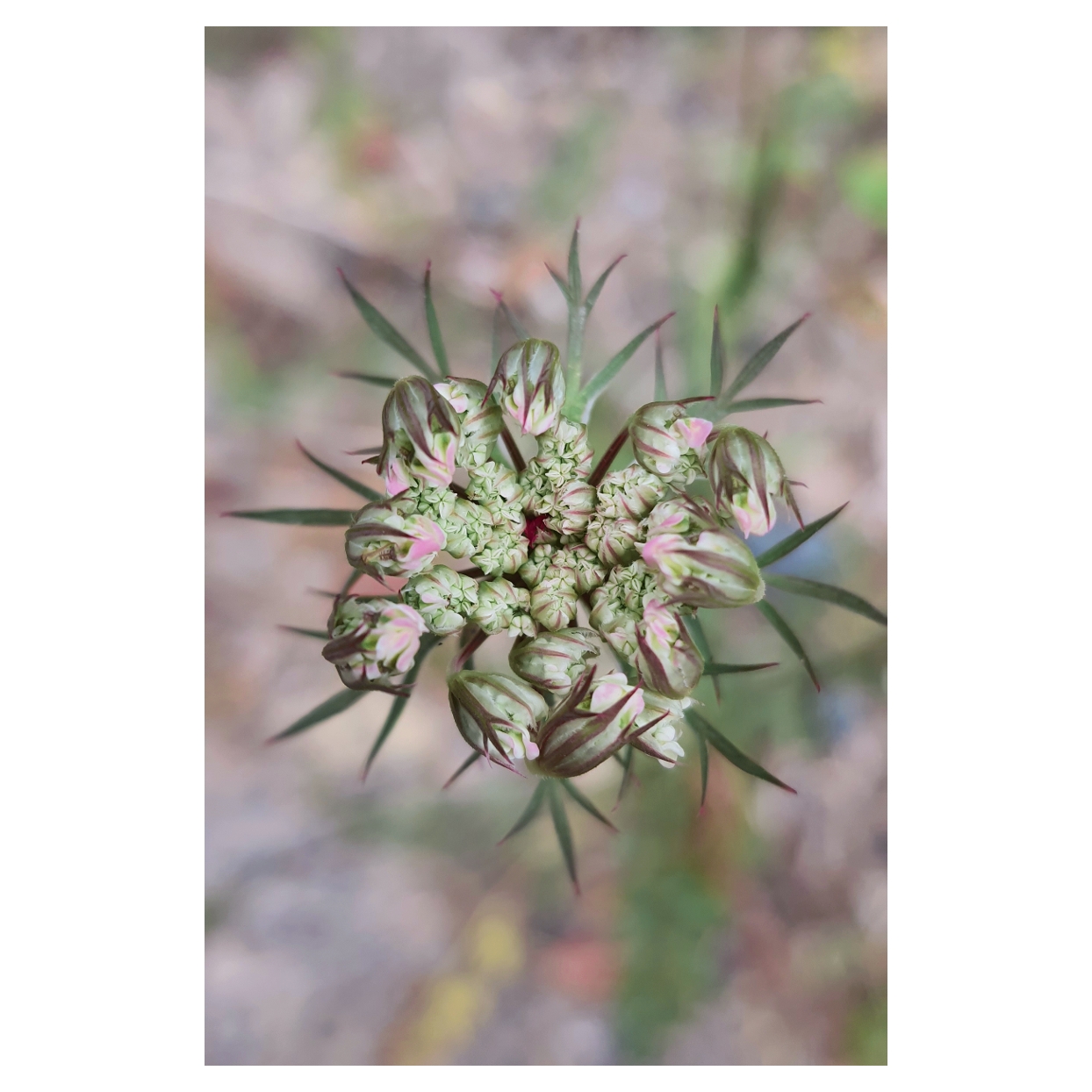
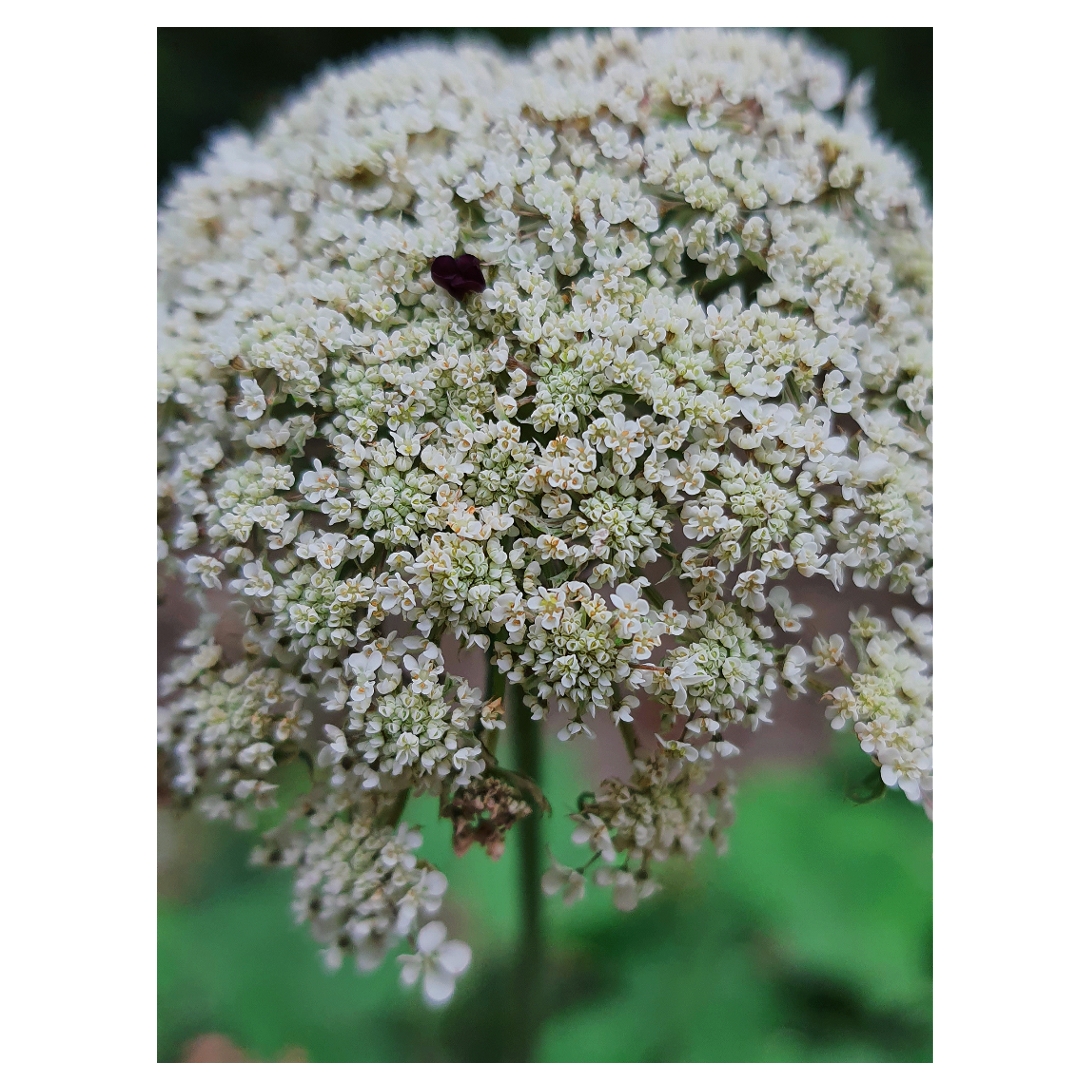
    A continuation of the smaller things up close.

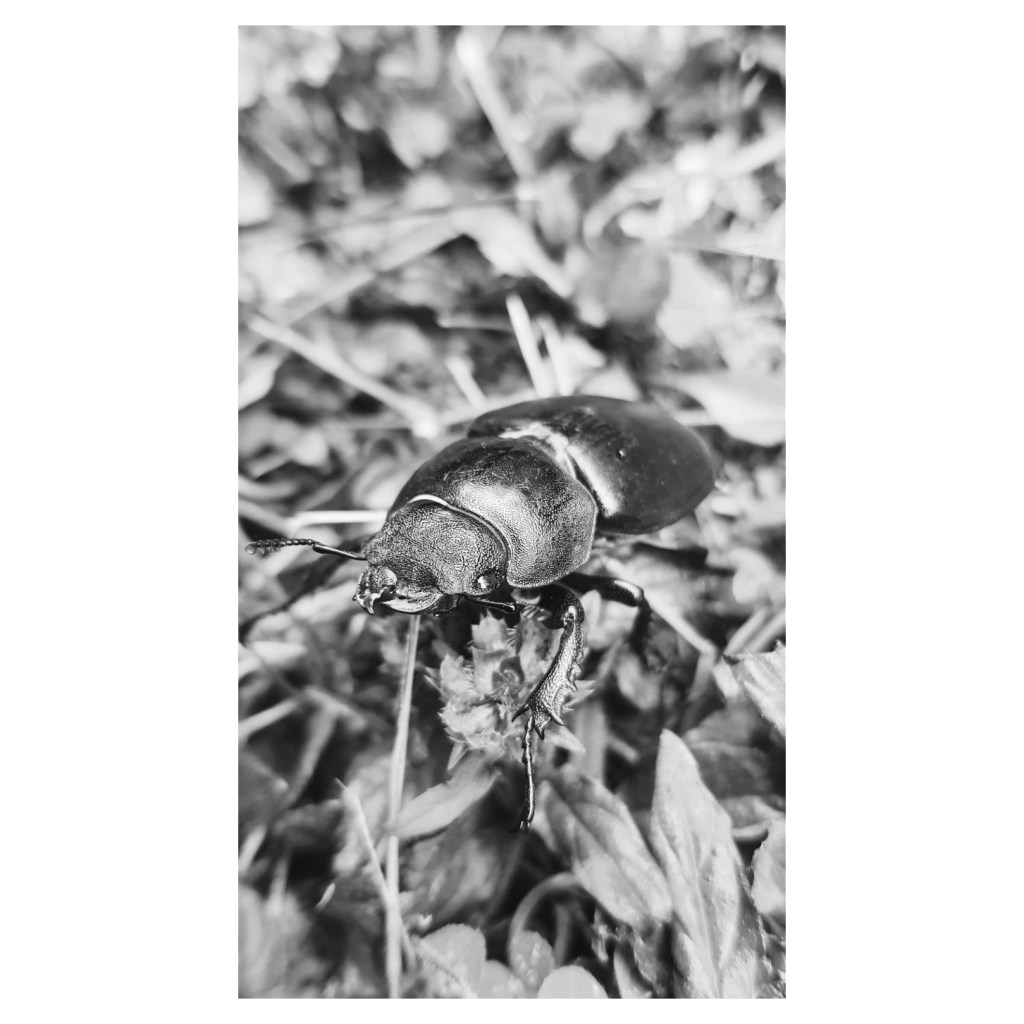
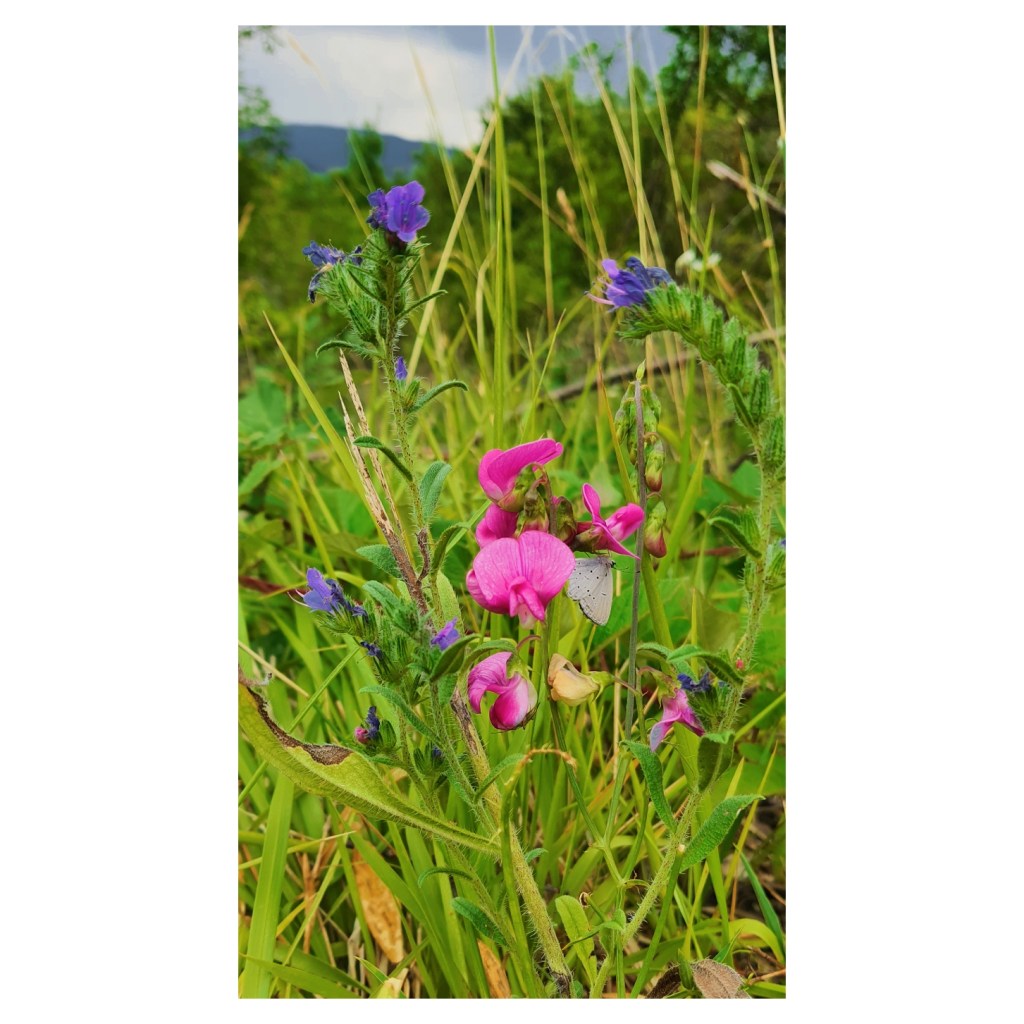
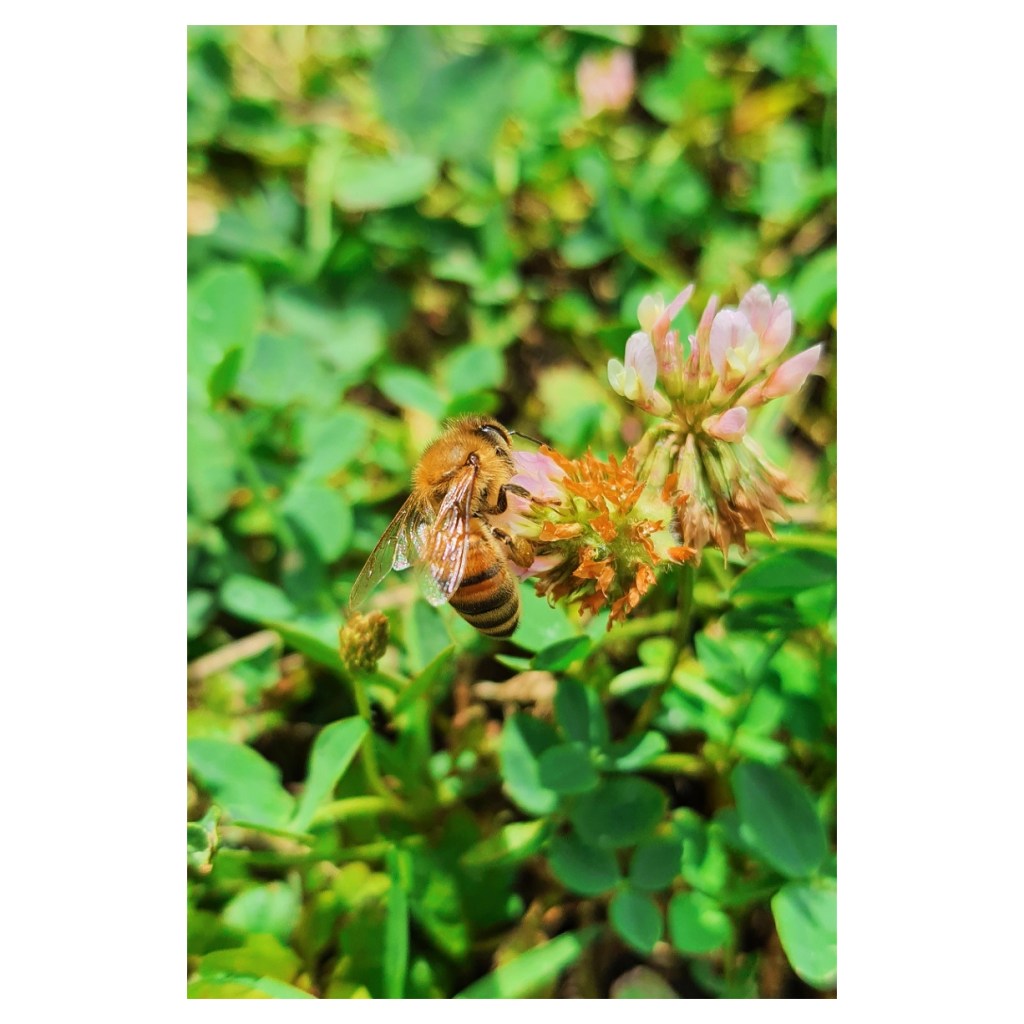
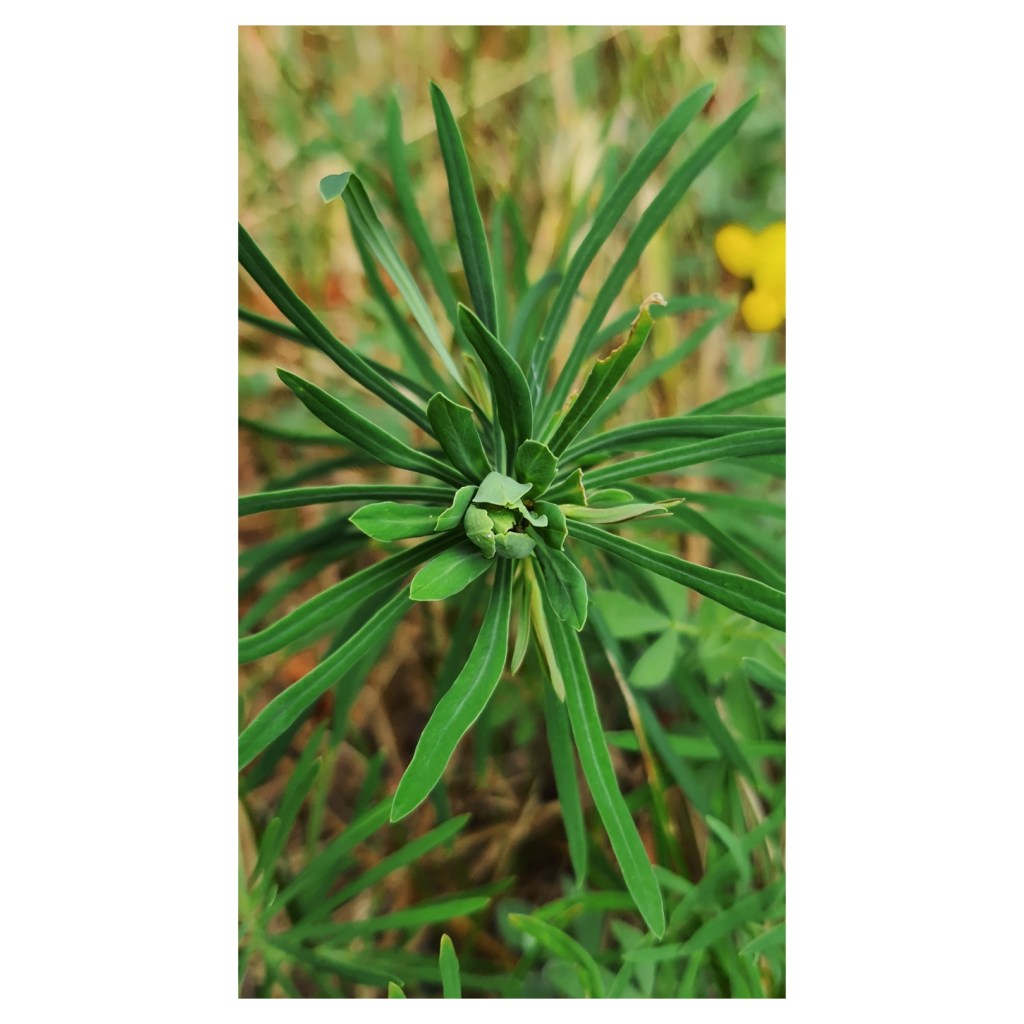
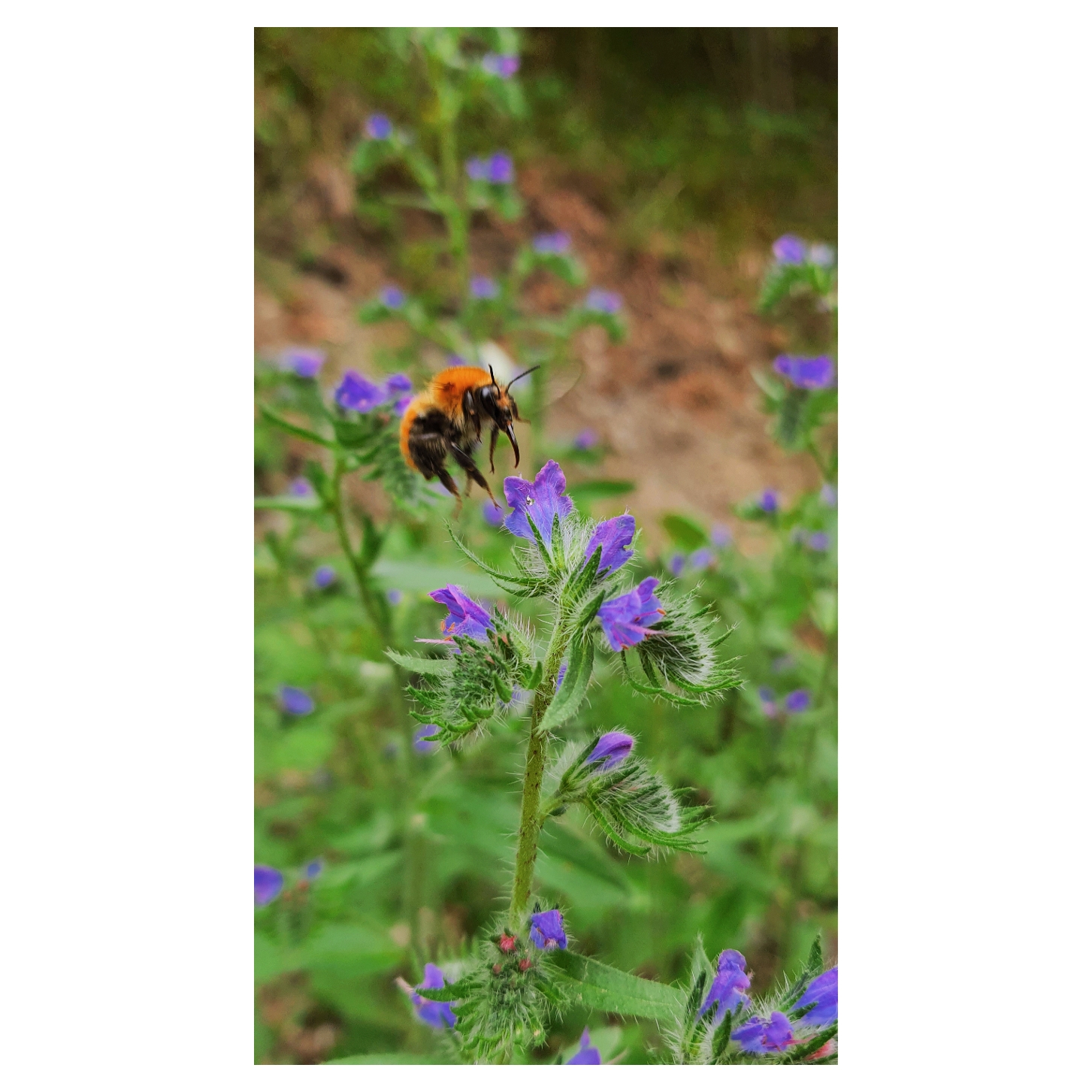
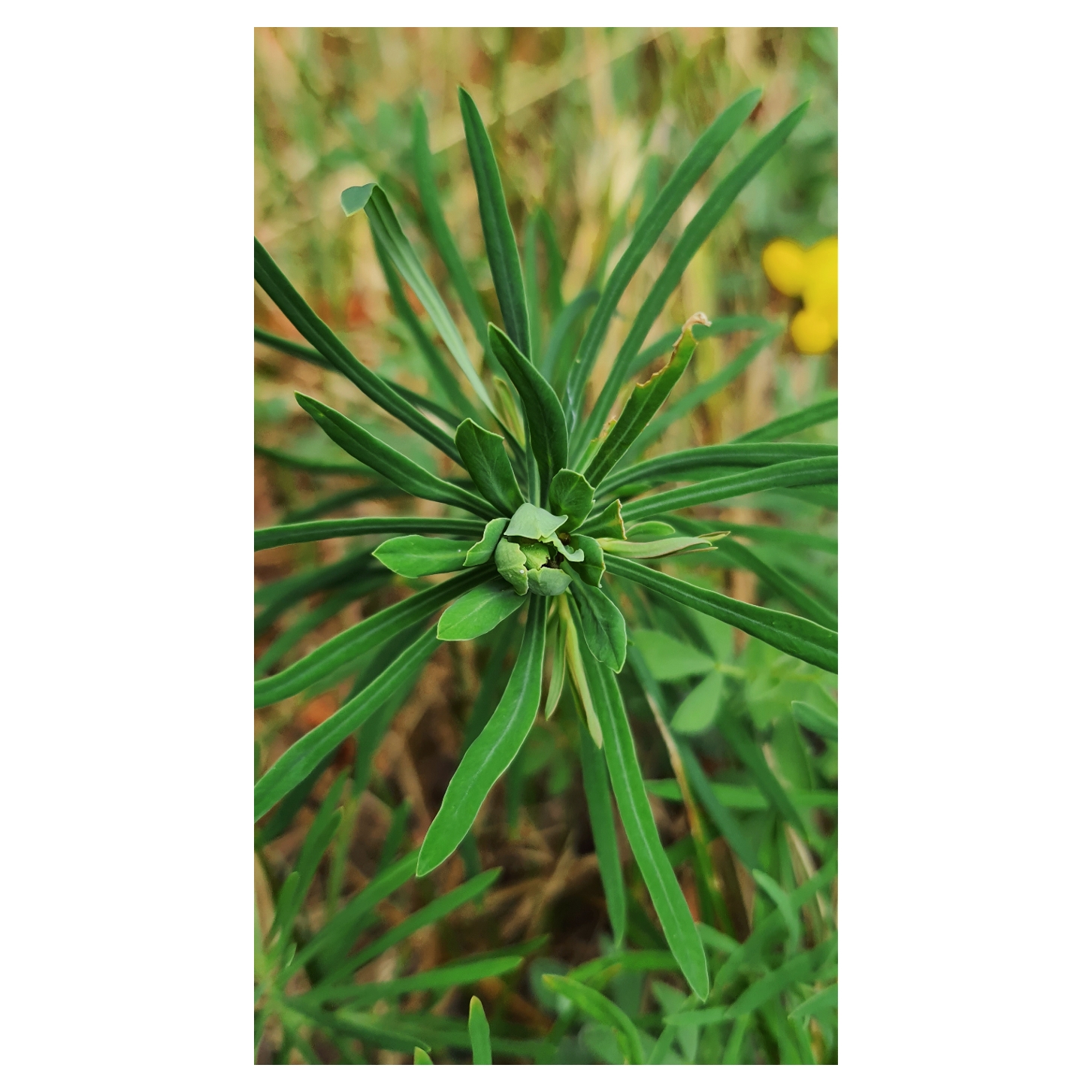
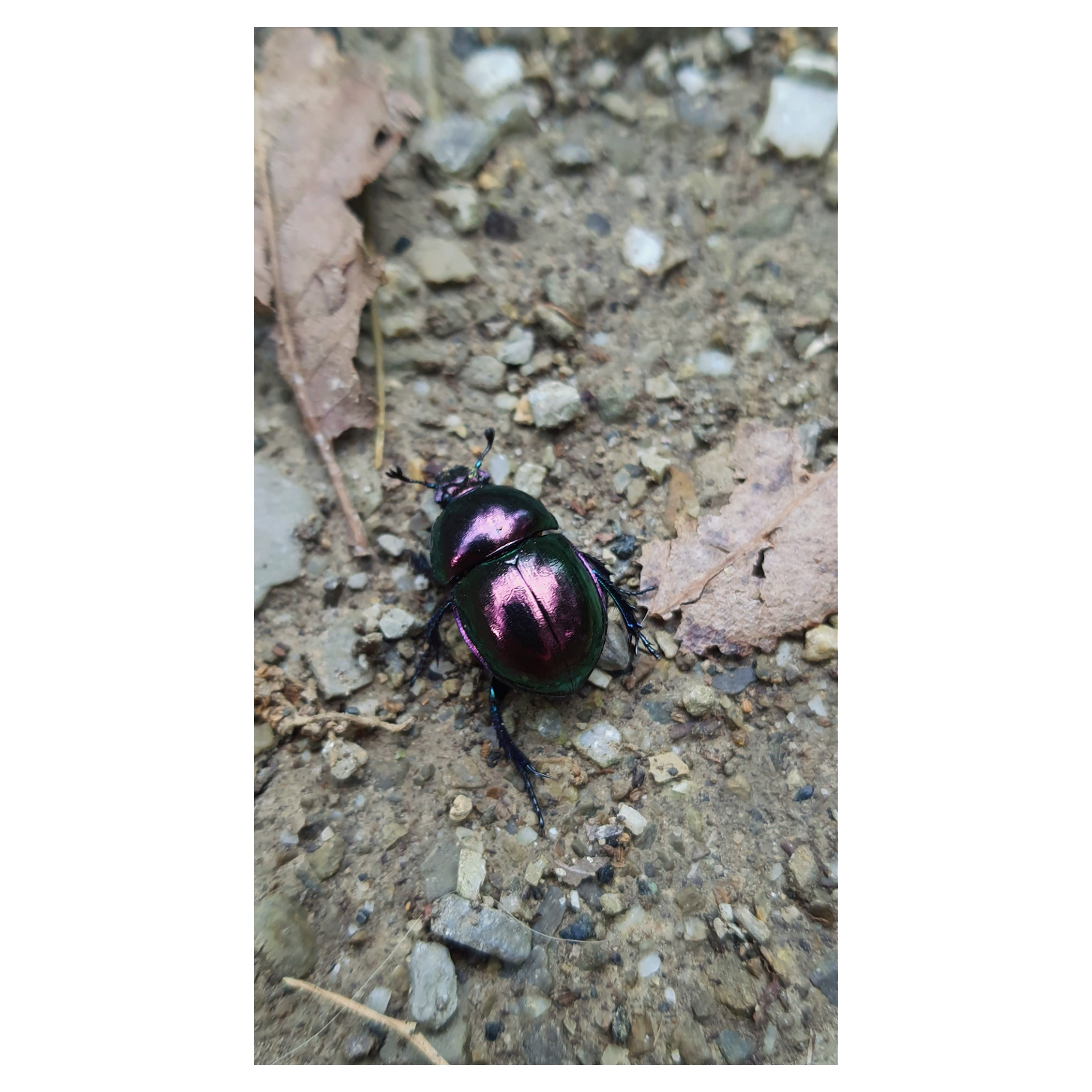
    I have been struck by the variety of butterflies, beetles, bees and more here in Northern Italy in a way that I haven’t noticed before. The garden here is made up of a semi-wild, hybrid lawn with two small rectangles of land allocated for a veggie patch and a wild meadow, supporting an abundant insect population. There have been a couple of hair raising moments when iridescent, scarab beetles bomb their way towards me with as much agility as a 10-tonne lorry, but otherwise seeing such a menagerie of small creatures going about pollinating the veggie patch and other wild flowers brings me much joy and has cultivated a great deal of respect for them and a desire to nurture and protect.

    Have you recently seen the natural world in a different light and documented them up close? Feel free to share your photos in the comment section below – I’d love to see what you have to share.

  • Miniature Worlds : Part I

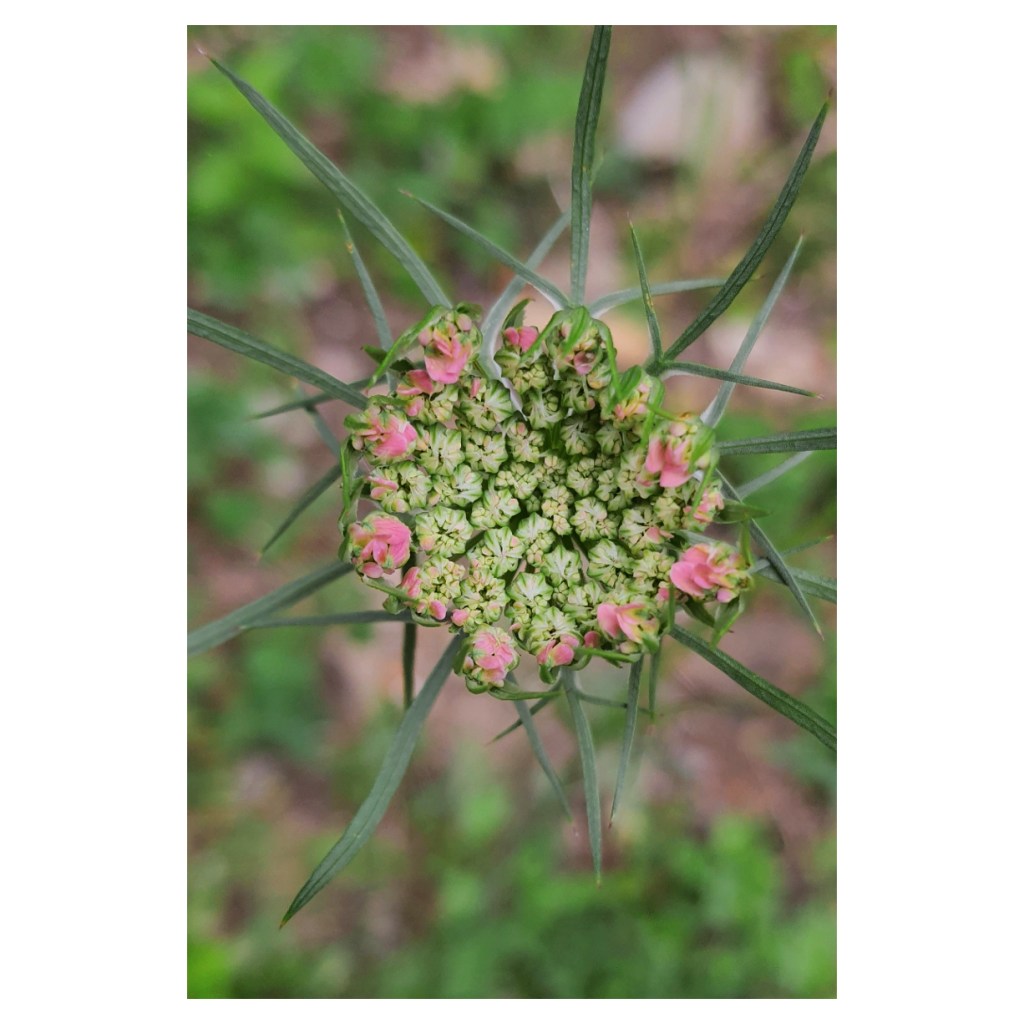
    I am currently spending my time in the wilds of Northern Italy surrounded by deer, wolves and large forest hares yet it is the “everyday” weeds and insects that have really caught my eye. If you but take the time to stop and look you will see the incredible level of detail and geometric patterns showcasing the natural spirals that are recreated in Ancient Chinese practices such as Tai Chi and Qi Gong,

  • How to Save Wild Baby Rats: A Practical Guide

    How to Save Wild Baby Rats: A Practical Guide

    Saving an animal’s life shouldn’t have to be costly. This is my comprehensive, no frills account of wild rat rearing based off my own experience.

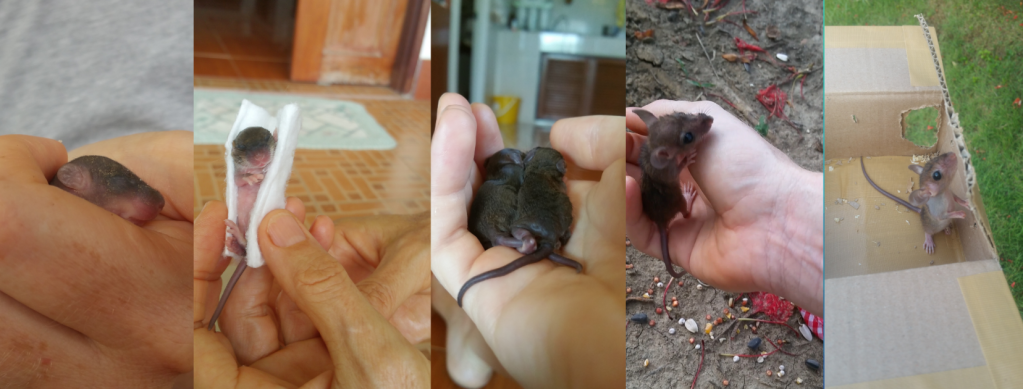
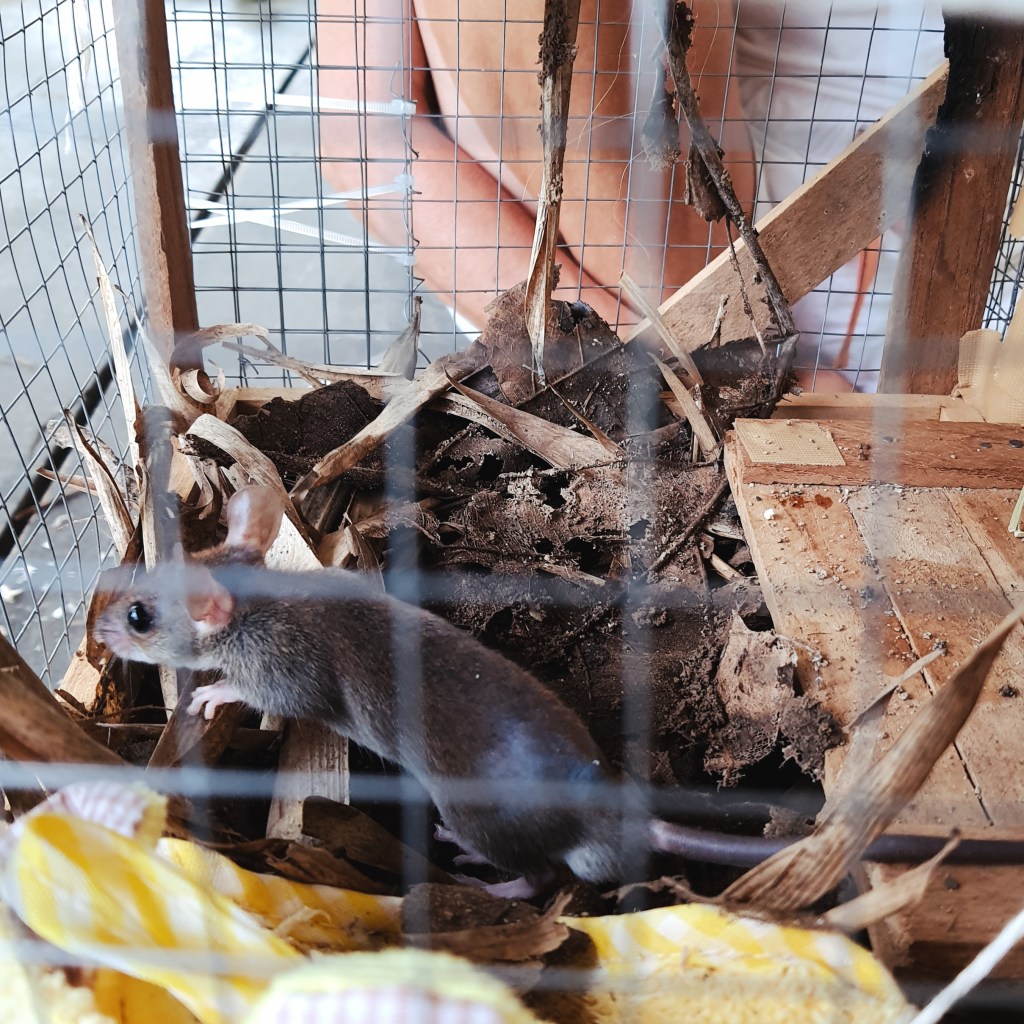
    If you have been following my blog you will know I recently adopted two baby wild rats. As you might imagine, there isn’t all that information online on how to rescue and rear wild rats (most focus on eradication), so I had to make do with a selection of articles and blogs and piece it all together. In addition to this, all blogs/articles assume you have access to a wide range of products and vets to help you along the way, which I was without. What I have chosen to do is share my experience on how to save a rat sans vet, sans fancy soy formula or fancy heating pad. This is a rat rearing help guide for living out in the sticks; from capture to release.

    1. Return them to their mother.

    So you’ve found some baby rats. If you have found rat babies in a nest, leave them there, their mother will be sure to return soon and will move them to a new nest if need be. Taking on rat babies should only be attempted if there is immediate danger, or you have clearly identified that the mother has died. In my case it appeared that they had been pulled out of their nest, I suspect by birds, and left exposed in an open area where they were being pecked at. I was unable to locate their nest and I couldn’t have left them where they were without there being a risk to their lives.

    Don’t interfere unless necessary.

    2. So you’ve decided to become a rat mother and you don’t have access to a vet.

    At this stage most blogs suggest you take your kittens to a vet. I found Pip and Ratty at approximately 6 days old. Their eyes and ears were still closed and they had signs of fur breaking through. After my initial, unquestioning impulse of rescuing them it began to dawn on me that I may not have picked the “cleanest” of creatures to save. Rats are known to be prolific disease vectors, meaning that they carry bacteria or parasites in their blood or through third party travellers such as fleas. The rats themselves are not affected by these pathogens and appear healthy yet these can be transferred onto humans through close contact. This social conditioning was further compounded when I identified Pip and Ratty as Rattus rattus, the black rat, also known as the roof rat, as opposed to the brown, larger, sewer rat. Something about having a plague harboring creature in your home doesn’t feel like a grand idea.

    When talking in scientific terms its hard to remain emotionally attached. My experience with Pip and Ratty however couldn’t have been any further from that fact, and was a greatly rewarding experience where they taught me much about their own cleanliness, intelligence, playfulness and innate natures. Should you have found this blog because you too find yourself in a similar experience I’m certain you too will become bonded to your rat kittens.

    The only information I could find on baby rats carrying diseases suggested that at least until 1 week old they are simply too small to harbour anything nasty. This makes sense when you consider that parasites and bacteria require their host to survive in order for themselves to survive. A baby rat will not be able to provide the sustenance these pathogens require to survive without killing their host and therefore themselves. It is of course recommended to practice safe hygiene, wash your hands thoroughly and don’t have them up near your face.

    If there is any serious defect or injury to them, it is my own personal philosophy that it would be kinder to place them somewhere warm and quiet and allow them to move on. It so happened that at week 3 Pip picked up a suspected chest infection and within 24 hours passed away. You can read more about this in my previous blog “What Is Death?”. Pip and Ratty both came to me with cuts to their skin from bird pecks which I gave a gentle wash with warm water using a cotton bud – these healed quickly.

    3. Keeping your kitten warm.

    Until they start to develop their fur at around 2 weeks old, your kitten will be unable to keep itself warm. If you, like me, don’t have access to a heating pad or a thermometer to monitor the temperature of their new box home, you can use a hot water bottle wrapped in cloth and a little common sense. Ensure its not too hot as not only would it be painful to rest on but it can also dehydrate them. I opted for a little warmer than lukewarm and regularly checked it and refreshed it once it had cooled. This is a 24 hour job until they’ve grown enough fur to self-regulate. I placed them in a small-medium sized cardboard box along with some cushion wadding and hair from a hair cut for them to cosy up in! Make sure that whatever material you place in their box that they can’t accidentally become entangled in; felt or fleece are a good option if you have it. Whichever option you use for keeping them warm, ensure there is enough room for them to move away from the heat source if they need to cool down. Another thing to note is that your cardboard box should have enough height and a lid, you’ll be surprised at how much a blind rat explores and the speed at which they do, and they will climb out if the opportunity presents itself. Do not be complacent!

    4. Keeping your kitten fed.

    The thing I struggled with most at the start was knowing whether or not they were dehydrated. If they’ve been separated from their mother for some time it’s likely they will be. If you scrunch up the skin around their neck and it remains in that position after more than a couple of seconds its likely they are dehydrated. Whilst this is likely to be true I did also think that perhaps they’re simply wrinkly with plenty of extra skin. When I wasn’t sure I tended to water down their feed a little more.

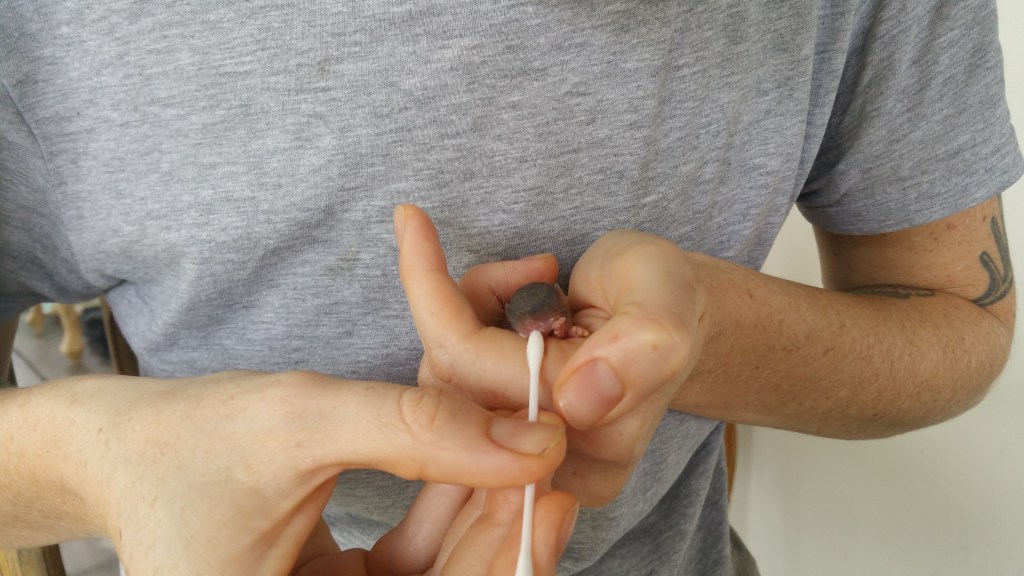
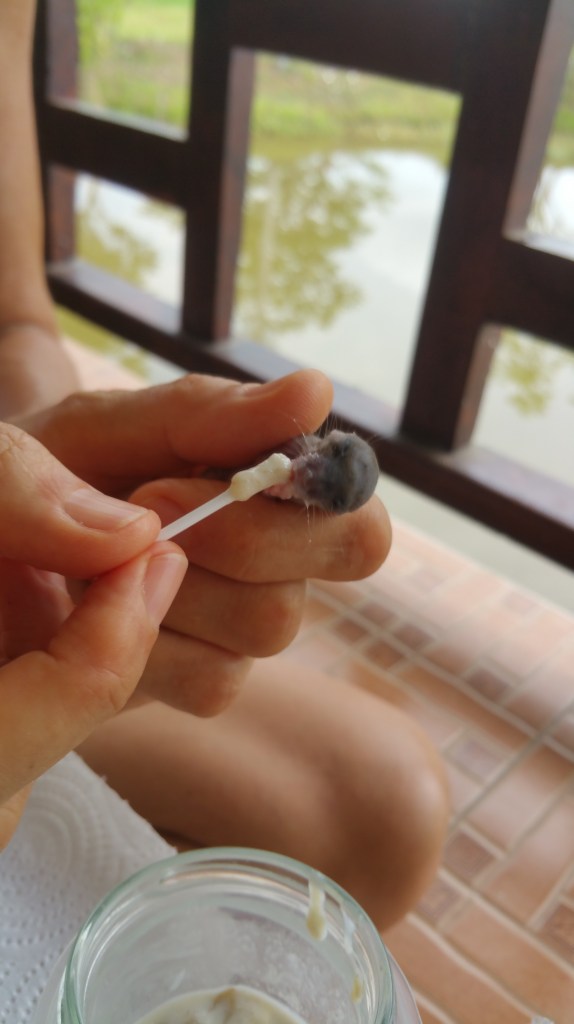
    For the first 12 hours I only had cows milk and evaporated milk on offer so offered this up via the means of a cotton wool bud as I had no pipette on hand. Like with most creatures, cows milk is not the best substitute for their mother’s as the compositon of milk is very different. The closest replication to rat milk is actually human baby formula, with soy being the better option. In my case it was the regular lactose based formula for ages 0-1 that was on offer and it worked perfectly fine.

    I found this blog to be helpful to know how much to feed my kittens as well as what their feed cycle should be. As I lacked a pipette initially I had no way of accurately calculating this so I relied on the kittens showing disinterest to determine when they’d had enough. Using a cotton bud was awfully slow and tedious and I did worry that it wasn’t working for them either as there’s only so much volume it can hold. So relatively early on (before reaching week 2), I added in a little mashed banana to the formula making it denser, which was a success. Over time I increased the mashed banana to formula ratio until they were weaned. I did eventually get a pipette which made feeding much quicker. The drawback to this method is being careful that you don’t force the food down too fast which can result in either forcing air into their stomachs causing a painful bloat, or forcing food into their lungs which will either cause suffocation or a chest infection. Whilst using a cotton bud it was certainly easier to avoid either of those things. You may notice that your kitten will open it’s mouth like a baby bird, this is a sign that it’s ready to power suck, a move that is possible when feeding with a pipette but not so much with a cotton bud.

    In terms of how to hold your kitten during feeds. You may find them to wriggle. You can hold them firmly upright by the scruff of the neck or you can encase them in your hand, keeping their legs tucked in. Patience is a virtue.

    Until week 2 they are unable to defecate by themselves and would have received stimulation from their mother to elicit a bowel movement. Before or after each feed you’ll need to stimulate their genitals, using a cotton bud dipped in warm water, to encourage them to poop out a small pellet and urinate. If its too runny they have diarrhea and you’ll need to make sure they don’t dehydrate. If they don’t urinate it’s likely they are dehydrated.

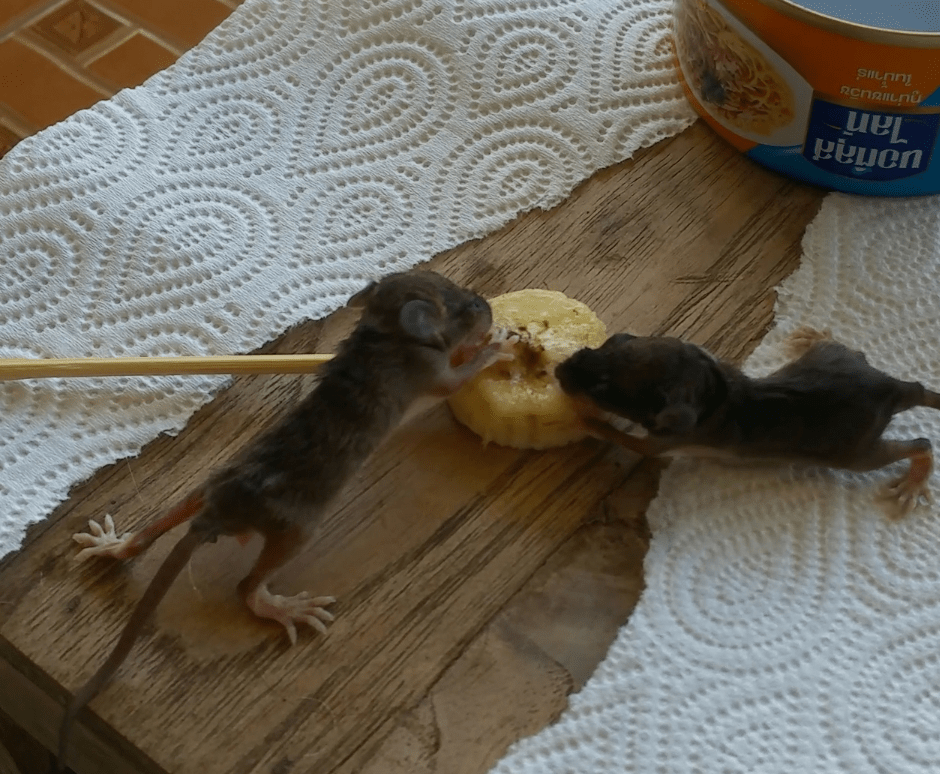
    Once their eyes had opened at approximately 2.5 weeks, I steadily introduced soft, whole foods such as bananas and cucumbers in a tin lid laid on the floor of their cage (until their eyes open you will need to keep feeding them by hand to avoid them accidentally inhaling food/liquids through their nose). It wasn’t long before their range of foods widened and they could handle seeds, nuts, hard veg and meat. I avoided giving them any cooked food as much as possible. I did get a hold of hamster biscuits (as rat biscuits weren’t available) which I gave in small portions, as well as dried alfalfa to keep their fibre intake high.

    The final note in terms of feeding is that once they were fully weaned I had to cycle through many different foods to keep it varied. After week 4, I searched for insects and beetles from the garden to feed Ratty.

    5. Deciding on releasing or keeping your kittens.

    It’s important to know from the start what you plan on doing with them once they’re weaned. Of the articles and blogs I could find most people suggested they kept the rats as pets, not many rewilded them. Depending on your goal will affect how you handle them. Up until approx week 3, you will be hands on with them as you hold them for feeding, cleaning etc. Once their eyes have opened and they have good motor control there is less need for you to handle them unless you intend to keep them as a pet. If this is your intention ensure you handle them regularly as their wild instincts will be dominant and if left unhandled will not make for good pets. If not, you want to try and limit how much you handle them so that they remain wild and independent. What will also influence how much you physically interact with your kittens is how many you have. If you have two or more, they will bond with one another and will be less likely to interact with you. In my case, Pip passed away at 3 weeks old leaving Ratty on his own. Rats are social creatures and find it stressful being on their own. I tried to find a balance between keeping some physical contact but trying not to tame him. I can’t be certain I found the right balance. I would find that he would play with me much like you would with a dog and he would gently nibble my fingers as if practicing fighting off a snake. Should Pip have survived, Ratty would not have needed my attention as he would have bonded with Pip.

    From weeks 3-4 I released Ratty in the garden each afternoon to allow him to explore and run around. After a few days of this he became much bolder and without a sealed enclosure to keep him in it seemed like I might lose him. At his age of only 4 weeks I felt him still too young to leave the nest so I unfortunately had to keep him in his cage until the day of his release around week 6. At 6 weeks of age you rat will have its adult coat and will have ballooned in size making them more capable of surviving in the wild.

    6. Housing your kittens.

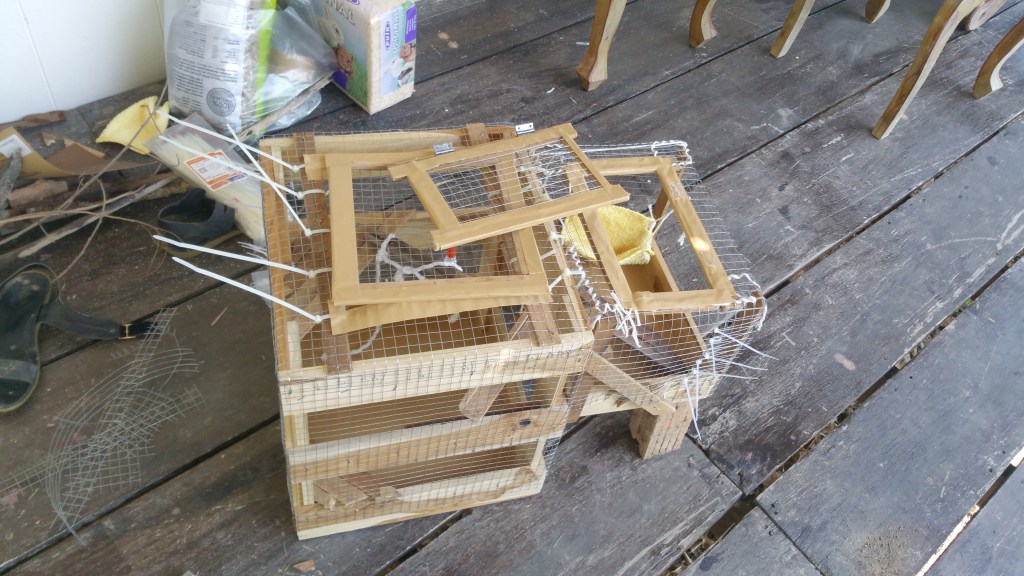
    Until their eyes opened I kept them in a medium sized cardboard box with bedding and a hot water bottle. During this time I worked on building a cage for them. I tried to make it as exciting as possible so they could practice climbing and jumping, as well as walking along unstable surfaces. I lined the floors of the cage with duck tape to avoid Ratty’s urine soaking into the wood and covered it with saw dust, occasionally also adding barks, leaves and grass from the garden. If you opt to buy a cage you’ll want to choose metal over plastic as plastic can be chewed through.

    I added various, homemade toys to place in their cage to keep them entertained with a digging pit being the greatest success. Other games involved hiding their food under rocks or bark, or inside stuffed toys, or hanging their food where some problem solving was required to get to it. A list of inexpensive rat toys can be found here.

    7. Helping your kittens leave their nest (and you).

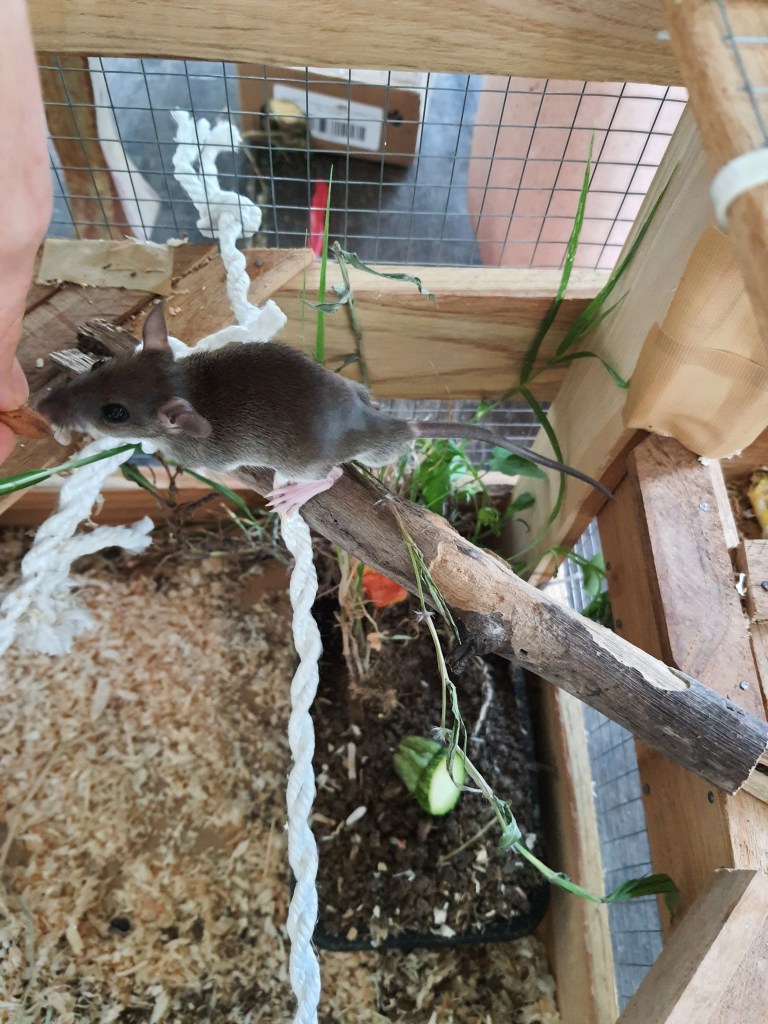
    With the aim of releasing Ratty at week 6, I introduced him to more and more items from the garden including leaves, stones, insects (if I could find them) and I would also provide him with a tray of soil and grass which he could dig in. Digging was by far one of his favorite activities and if there were insects or seeds hidden in there, even better.

    His releasing happened very naturally when one day as I was cleaning out his cage in the garden, he managed to pull himself out of the top hatch. I allowed him to decide what he would do next, which was to jump back inside the box. A short while after he managed it again, this time climbing down the outside of the cage and running to the nearest shelter in the garden. This happened in the late afternoon when I found him to be most active after sleeping mostly during the day. He spent roughly one hour exploring a small area of the garden and still interacted with us. We were still able to touch him and pick him up however we chose to leave him free, with access to his cage and food if he wanted it. After leaving him sheltering under a plant pot with a couple of fleece blanket cuttings and food that was the last we saw of him for about 2 weeks. Since then he regularly visits our bird table for snacks. It was a wonderful experience caring for him and it was with a selfishly, heavy heart that I released him.

    8. Don’t be hard on yourself if they don’t make it.

    Lastly, understand that death is a part of life. If despite your valiant efforts they don’t make it, take solace in the experience you shared of providing kindness and compassion. Your life and theirs will have been greatly enriched.

    9. Helpful links.

    I found the below articles and blogs to be helpful in terms of caring for baby rats.

    http://www.ratfanclub.org/orphans.html

    http://www.rmca.org/Articles/orphans.htm

    https://pethelpful.com/rodents/homemade-rat-cages-and-toys

  • Understanding Death: A Journey Through Eastern and Western Views

    Understanding Death: A Journey Through Eastern and Western Views

    Around 3 weeks ago I found two, wild, rat kittens lying on a path whilst birds swooped down and pecked at them, not to eat but to eliminate a perceived threat.  It was apparent that the modeling of these particular bird brains did not allow them to discern the different levels of threat between a baby and adult rat, only that all rats are a threat.  At first I couldn’t make out what lay on the path, I walked over to find a little body laying there with eyes still firmly closed and a cut to the side of it’s abdomen in the shape of a bird peak.  I instinctively picked him up. A little way to the side lay his brother with a bigger cut to his head.  I carried them around in my hands for a while, attempting to keep them warm whilst trying to decipher where they’d come from and was there any possibility of returning them to their nest.  With the threat of birds overhead it wasn’t feasible to leave them on the path for their mother to retrieve them.  Unfortunately no nest could be located so I took them in and spent the next two weeks nursing them first with baby formula and then gradually weaning them onto solid foods.  Gradually their eyes and ears opened and they began exploring their purpose-built cage to house them until they were old enough to be released back into the wild.  What I found most surprising was the distance and speed they moved at when still totally blind, as though they were simply too impatient to wait for their eyes to open and would get on with exploring anyhow.  Perhaps they were precocious learners.

    At the 3 week mark, it seemed like we had made it. They were fully weaned, growing in size, and were far more balanced with their movements. And yet, Pip’s breathing had changed.  Each time he breathed in he produced a clicking sound and his breathing rate was ever so fast.  He had pulled himself out of his nest box one morning and was laying in what I would have considered too exposed an area for a rat and everything about his behaviour was muted and diminished.  By the late afternoon he had passed away.

    I had the rare opportunity of holding him in my hands during the final couple of hours. I witnessed the transition from life into death. This experience raised several questions in myself both during and after the event.  Would it be right to interfere with the process and take him to a vet to “save” his life?  What is the relevance of his body once he’s died and where is “he” now?

    Should I have attempted to “save” Pip with medical intervention?

    The answer to this question depends very much on which culture you have been raised in. It also depends on what your belief system is.  For simplicity’s sake, I will define the West as containing the Christian, Muslim, and Judaism faiths. The East includes Buddhism, Taoism, Hinduism, Jainism, etc.

    The Western faiths believe that there is only one life. Once you die, you head either to heaven or hell. This belief gives you two options of living. You can make the most of it, as time is running out. Alternatively, you can rely on Heaven as the ultimate goal. It is viewed as an everlasting life. This makes what happens on Earth seem irrelevant.  The East believes something very different. They believe you have infinite lives. You are constantly reborn once one life has ended. This cycle continues to increase your level of consciousness until you reach enlightenment and return to the Source.  In the West, religion has been steadily declining. What’s interesting is that even if you’re an atheist with a strong disdain for religion, you have been socially conditioned. You still believe there is only one life. This is because religion is so deeply embedded in our societies.  This permeates deeply through all levels of our behaviour, so imagine how differently you might behave if you not only believed but knew that your life force/energy/soul was brought back into a living body after each death.  Perhaps life wouldn’t be such a rush to reach the top, feeling like time was always running out; perhaps you wouldn’t be filled with anxiety of having to achieve things earlier in life in order to have time and money to enjoy and experience things as you age.  What about your job? What about your body? Think about your responsibilities. How do these all change when you consider that perhaps there isn’t one life only for each of us? #YOLO (You Only Live Once) sounds like a pretty ridiculous handle but an unfortunate representation of how people can and do behave with that belief system.  For those unfamiliar with #YOLO, it is an abbreviation used for behaving recklessly under the assumption that you only live once so should make the most out of life, whether it’s binge drinking and drug sessions, unprotected sex, dangerous stunts, you get the drift.

    Osho very succinctly puts into words our Western social conditioning on death.

    “We have been taught for centuries that death is against life, that death is the enemy of life, that death is the end of life.  Of course, we are scared and cannot relax, cannot be in a let-go.  And if you cannot be in a let-go with death, you will remain tense in your life, because death is not separate from life.”

    To speak of death in the West in terms other than how to increase longevity and achieve immortality is seen as taboo, perverse, religious or spiritual nonsense or farcical, such is the fear and lack of understanding of it.  My experience with Pip and my own personal exploration into Eastern philosophy and the Buddhist understanding of the mind has led me to question the truth of a “one life only” paradigm.  At this stage I am still full of questions and so the idea that your life force is reseeded in another body is still something to be further explored, to find my own understanding and experience this for myself by way of meditation, yet I have a strong sense of knowing that I’m on the right path.

    My exploration into all of this led me onto something really interesting on how we have been socially conditioned to believe in either one life or many.

    Jesus, Mohammed, Buddha, Krishna, etc.  were all great teachers of their times and the manner in which they shared their teachings was dependent upon the social behaviours of their societies in their eras and regions.  It’s worth noting that religions did not attach themselves to their teachings until after their deaths, in the case of Buddha, some 500 years after his death and one should therefore be careful not to confuse religious dogma and agenda with the pure teachings of these men.  In the case of the Eastern teachers they had known for thousands of years that reincarnation was true, it wasn’t only a theory that was taught but had anecdotal evidence to support it.  Jesus and Moses were known to have traveled to India and would have therefore come across these teachings and evidence and yet upon their return to the West they didn’t share this with their disciples.  The reason was that they had noted how the theory of reincarnation had made the Indians very lethargic in life; when you know you will have multiple lives, what is the rush in doing anything.  This wasn’t the case though when Buddha and Krishna originally shared their teachings hundreds of years previously, in fact, India was a rich country then with very bored people, so they painted a picture of having to live with the same boredom life after life, whipping people into shape and encouraging them to pursue meditation and enlightenment.  But then India entered into a period of poverty, still grasping on the theory of reincarnation, they now found themselves hoping for an escape in their next life.  This life hasn’t worked out, maybe the next one will.   This escapism resulted in avoidance of living to the fullest and the postponement of living.  Jesus and Moses saw this and realised the strategy was no longer working, so on their return to the West they shared a different story, one where you only have one life so if you want to enlighten, if you want to meditate, do it now, don’t put it off till tomorrow, time is ticking.  And it is through this mechanism that the West has now become pathological with it’s concept of time and linear living.  Just like with Buddha and Krishna, Jesus, Mohammed and Moses’ teachings worked for the era that they lived but there comes a time when the framework of society shifts and holding onto old teachings can be detrimental.  It is for this reason that you shouldn’t accept any belief you hold without having first questioned it fully.

    To take this back to the question then of whether medical intervention was necessary depends, partly, on how strongly you believe in one life vs many.  In the West it seems now more than ever that we cannot accept that people die, everyone must be saved and strong, violence-based terms are used to combat, attack, fight, destroy illnesses or diseases as though death is the enemy rather than a natural process.  It is as though people have forgotten that we are nature and nature can end this life at any time.  As such, people are not dying naturally at home like they might have done only some 150 years ago but instead make frequent hospital trips for intensive and extensive treatment up to the day they die.  Personally this sounds incredibly stressful and a fight to avoid death means  fear will hold strong in those final moments, dying at home or in nature is the way I want to go.

    I recall a news report a few years back in Australia of a young man who died as a result of a shark attack when he was out surfing.  As he was sat on his board with his legs dangling over the sides, a sizeable shark bit his legs.  His friends around him went to grab him and pull him ashore and uncharacteristically the shark didn’t let go as they normally would when making an error in food source.  There was a tug of war and eventually the shark swam off, leaving the friends to pull the young man ashore.  On the beach it was evident he’d lost at least one of his legs and was bleeding profusely. All of this sounds horrific, like a scene of out Jaws (a film that plays our your fear of dying violently) and yet his friends recounted that he was totally calm and asked that they pass along his love to his loved ones before dying.  It was highly likely that his body had responded to the shock of the attack preventing him from feeling pain and allowing him to peacefully move on which in one sense was perfect.  It was those that had witnessed the event that most likely suffered the worst of it and without the wisdom of an elder it will only reinforce that death is something to be feared.

    I should probably make it clear that I do believe in medical intervention, however there is a fine line between knowing when to let go and when you are simply avoiding dying out of fear of death and I think the ease of finding this line can only be put down to how enlightened both the person dying is as well as the person caring for them.  Having said this if you live a life close to nature following it’s natural rhythms with a healthy attitude towards death, there shouldn’t be too much opportunity for medical intervention as you lead a life of preventative care.

    Does your body make you you?

    Imagine for a moment that the essence, the life force, the soul, whichever term you feel is relevant, of your loved one was moved out of their body and into another and into their body was placed another life force.  Which body would you feel that same connection to, would it be the body that looks like them, or the body that contains their energy, their personality, behavioural patterns etc?

    In the process of Pip passing away in my hands, his breathing became slower and slower until finally he breathed in but didn’t breathe out again.  Almost instantly he became unrecognisable, something drastically had changed and yet all the identifiable features of his body remained.  The scar of the bird beak on his head was still there.  Yet after that moment of dying his body was that of any rat which lead me to truly knowing that his body wasn’t HIM, it was merely a meat suit or a shell that housed his true essence.  What that true essence is though I know only to describe as his energy force which vibrated at a specific frequency, a fingerprint unique to him.

    On a basic level your body is little more than an assimilation of memory based around the framework of a genetic blueprint heralding back from all your ancestors and evolutionary history (more than a few terabytes of data there.) As you operate your body through life it picks up more memory through the environments you expose it to, the substances it consumes, the knowledge it acquires and then should you have offspring, this memory is passed on through genetics.  I am not suggesting that you should disregard your body as little more than a vessel, in fact, I am of the view that the body should be well looked after with and understanding of how to maintain homeostatic internal process through allostasis and that through doing this you can use your body to further your process of enlightenment, however it is not to believe that your body IS you.

    So if your body doesn’t make you you, then what does and if you’ve spent your life defining yourself by your appearance how will this affect you?

    This requires an even deeper dive into a fundamental understanding of the mind and the Eastern philosophies that I shall perhaps cover in another blog if anyone is interested.  However if I mention something in short, it would be that the ultimate goal is to achieve enlightenment, in doing so you free yourself from the Earthly realm.  To go about achieving enlightenment is to basically work through your issues.  Every single thing you think you know about yourself needs to be overturned and examined and by doing this you slowly rid yourself of your conditioned beliefs, your angry outbursts, your patterns of cheating on your partner, your need to consume alcohol to get through life etc.  Every time you rid yourself of one of these patterns you’ve taken a step closer to enlightenment.  My understanding is that during each lifetime, you work through as much as you can and when you’re reborn in your next life you start from where you left off.  Therefore if you spend a lifetime believing you are your body you have in one sense wasted a life and will be born at the same level of consciousness that you died, finding yourself in an endless loop of suffering.

    And so I find that little Pip who only graced my life for two short weeks has helped me shape my views on dying and living, perhaps I’ll meet him again.

    This blog is not force you to believe anything different to what you already know and understand but to have you question those beliefs and to question how you’ve come to believe what you believe –  has it been through personal enquiry or because “that’s what I’ve always known”, and therefore, social conditioning?

    “It’s an absolute certain fact that people die, animals die, trees die, birds die.  How can you avoid the fact that you are also going to die – maybe tomorrow, maybe the day after tomorrow?  It is only a question of time.  But still, those who are aware of their being know that nobody dies.  Death is an illusion”.  Osho, Death: The Greatest Fiction.

    Thank you for taking the time to read my blog.  If you found it interesting, please like and subscribe and drop a comment below too as it helps the algorithm immensely.
  • Insecticides, Pesticides and Humanicides

    Recently most days here in Northern Thailand average around 38C on the thermometer, combine that with high levels of humidity and you get a real feel of 44C.  Rather than blistering, it’s stifling, such conditions are lethargy inducing and regardless of whether you’re sat in the shade to escape the sun, sweat exudes from every pore to leave you feeling sticky, clammy and a little irritable.  Talcum powder is a must.  The only saving grace are the thunderstorms that arise bringing a breath of cool, drying air (they don’t always bring rain), although can verge on category assignation at times, which when living in a wooden hut with a corrugated roof, is a little scary.

    I read of a scientific study recently that humans can live in environments that have an average, yearly temperate of 29C or less.  Anything more than this is considered inhospitable and as a result of climate change, (regardless of your view as to how or why this is happening) more and more of Earth’s surface will average above 29C thereby diminishing the area of land that humans can inhabit.  Combine that with a rising sea level and our projected population growth and that’s a lot of people living in a very small area.  Now might be a good time to invest in talcum powder stocks (not financial advice).  Just like animals, humans need space to roam and just like animals kept in small, zoo enclosures, humans also do not fare well (psychological, emotionally and physically) when also kept in continuous, close proximity with other humans (consider cities and high-rise tower blocks).  Humans living in such conditions are those pacing, caged lions and rarely know it mentally, although physically their bodies know.

    As a result of the tropical climate here, ecosystems in general have a vast array of critters and creatures.  The speed of life, death and decay in tropical climates is faster than that of cooler climates yet ironically, human living, from observation, tends to be slower and less impulsive.  The slow life here is revered rather than frowned upon.  One particular critter that helps accelerate decay is the termite, and the termites and I been battling it out over the wooden house I’ve been living in the past few months.  Not only do they live in the ground surrounding the house but they live in the wood of the house itself and many nights I’ve fallen asleep listening to cupboard doors being munched away.  Until recently I had accepted this was how things were, it was apparent that they weren’t in my immediate living space where my possessions could be damaged and having spent time digging the garden over I had become well acquainted and fascinated with their nest galleries, some of which were vast in size measuring more than 20cm deep and wide – was it used as a theatre hall?  With the recent change in weather however and increased dampness, the rate of termite activity was on the rise and they were becoming bolder.

    I researched ways of combating their activity using effective but non-environmentally damaging chemicals that could lead to a collapse of their colony.  It seemed pertinent however to inform the landlady of the termite development so she could make an assessment on damages and plan a course of action.  From this I found myself again in a situation similar to that of the mist nests where I felt my views on the environment and conservation were at odds to those I was dealing with, mixed with cultural and language barriers, and emotional triggers.  The proposed plan of action was to use an insecticide to spray under the house which has been built on raised concrete columns, thereby killing the subterranean and house-bound termites.  At first this seemed like a perfect course of action, it would eliminate the threat of damage before the wet season. Yet I was feeling more and more uncomfortable about this decision especially not knowing what insecticide would be used.  I am very conscious about my environment and do not unnecessarily expose myself to harmful chemicals, EMFs, light or any other pollution and should there be a threat to this then research is necessary!  There was also a risk to the geckos (both small and large) and anything else living in or around the house and suddenly it seemed I’d landed in a situation I didn’t want to be in.

    It’s important to point out here that Thailand is one of the top users of harsh pesticides and insecticides in Asia.  With food exports standing at nearly 40% of their GDP, crops need to be bulk produced and losses in yield are less likely to be tolerated.  Hazardous chemicals of this nature can cause neurological and nervous system damage, kidney damage, headaches, vomiting, muscle spasms, birth defects and death of which many farmers fall prey to.  Sifting through news reports it appears that Thailand cannot be held entirely to blame for its pesticide use as recent attempts in 2019 to ban hazardous chemicals were met with resistance from the Americans whose diplomatic strategies include revising trade deals and threatening boycotts, thereby preventing a full stop to the use of such chemicals.  The U.S. Department of Agriculture Undersecretary Ted McKinney asked Thailand to “postpone action on glyphosphate”, one of three hazardous substances, citing a U.S. Environmental Protection Agency assessment in 2017 that glyphosphate “poses no meaningful risk to human health when used as authorized”.  The World Health Organisation classifies glyphosphate as “probably carcinogenic to humans” and yet somehow human politics allows the strong-arming of smaller countries into maintaining dangerous practices.  Of course it’s difficult to believe everything the WHO states given the current global situation, especially when financed by one of the richest men in the world, yet I think they’ve got this one right, although “probably” should really be replaced by “definitely”.

    This strategy is not only used by the Americans, a quick YouTube shows up that many African and Asian countries are used as dumping grounds by the EU for toxic electronic waste, claiming the countries are purchasing this waste as second hand goods, knowing full well that a lot of their sorting practices are done by hand without PPE.  Continuing down the recycling rabbit hole, another quick Google search identifies that 45% of the UK’s household waste is recycled.  Dig a little deeper and it turns out that the figure of 45% indicates only how much waste is sent for recycling, not how much is actually recycled. As much as 82% of your household waste has been sent to incinerators in 2018/2018 in the UK alone.   And of the stuff that is recycled where does that land up?  The majority of it is not dealt in the UK at all but is sent to Malaysia after China closed its borders to any further imports of rubbish.  Much of what enters these countries cannot be recycled and is either incinerated or dumped in landfills.  That’s not to say that recycling doesn’t happen and that there aren’t success stories but the rate of recycling is far, far lower than is needed partly due to the cost, partly due to the technology available and partly due to politics.  It’s pretty sickening that these supposed “first-world” nations use poorer nations as dumping grounds; out of sight, out of mind.  Yet again, the governments of these nations cannot hold all the blame, each of us is responsible and has contributed to the world we find ourselves in.

    So what is the solution?  If you are of the engineering persuasion then new technologies still need designing to make recycling more cost effective and efficient and allow more materials to be recycled. If this is outside your remit then the simple solution is to go inside of yourself and understand your desires.  By doing this you work through your negative emotional patterns that have you believing you need a brand new smartphone to keep you up-to-date and addicted to social media; that your purchasing of “fast-fashion” keeps people believing that you have excessive disposal income and heaven forbid that you should never be seen wearing the same clothes twice; that your parenting techniques allow your child boundless material possessions, etc.  By working through your dysfunctional and delusional thought processes you desire less, you spend less, you consume less and your impact on the environment diminishes without any forcible action.

    Going back to my housing crisis, it perhaps won’t surprise you to know that the insecticide used to fumigate the house (both outside and inside – luckily I’d packed everything away), was far harsher than I’d naively wanted. I moved out temporarily as I was told it would take a day for the smell to disappear.  I visited the house the following day and walked around to see the damage, I feared that my houses’ one and only tokay gecko wouldn’t have made it.  A croak from somewhere to my left brought my attention to my beloved tokay gecko lying beneath the house with a younger, juvenile lying dead beside it.  The adult was still alive, but laying in an area so exposed during the day was uncharacteristic and moving going closer towards it, it was clear it was incapable of running away to hide.  A while later when it appeared that builders would do some further repair work on the house, I wrapped the two geckos up in my t-shirt and took them to my Mum’s garden where the one could see out its final hours in relative peace and quiet.  I carried a lot of guilt for the death of those geckos and many more whose bodies lay strewn around the house.  The strength of the insecticide was so much that one week later I still have not moved back in and don’t foresee it happening anytime soon.  I have reflected on what I could have done differently and on the politics of dealing with other human beings over things that should not have to be discussed.  My stay here is short and my rights are no more than that of a tourist but what happens here and how they treat the environment has as much impact on me as it does their own fellow neighbours.  The impact of each and every one of us is felt by the rest of the human species and yet most people don’t behave appropriately, or have the inclination to change, or lack the knowledge to behave differently.  My conclusion was that it would have been inappropriate to attempt to lecture them on how they should insecticides and the damage caused to both the environment and their health when I hold such little rapport with them, but in hindsight I could have treated the ground myself with a “safe” insecticide.  People should be treated with the same respect you would like to see them treat the environment; shoving your “Western” ideals down someone else’s throat no matter how well-meaning is surely only going to strain relationships further.

    This leads me onto one final point that I considered as result of this experience – how do you weigh up the consequences and impacts of your personal choices on the environment.  I want to read research papers that have definitively broken down the carbon and environmental cost of pretty much everything.  For example, if I were to build a home, which building material in that particular location has the least impact.  Is the impact of treating structural wood with pesticides, fungicides etc of less consequence than not, but then continually replacing the wood as it decays?  The same can be said for repainting and varnishing homes which must have some toxic impact on the environment.  Is it best to remedy your home with such things to keep it from falling into disrepair knowing that it cannot be recycled in future, or is better to allow for decay and then rebuild at a later stage when it’s no longer structurally safe? Are buying clothes made from recycled plastic of better value to the environment than buying cheap, cotton clothes?  Without this sort of data every choice made is marred by the limit of information you hold and your willingness to seek it out.  One solution of course is to simply reduce your capacity to consume thereby eliminating much of your environmental impact.  No one needs even half of the variety of items as they believe they do.


    **Thank you for taking the time to read my blog.  If you have any links to the research papers I mentioned an interest in, please feel free to comment them below.  Please also leave a comment if you found any of this interesting and/or would like me to write more on any given topic.  All the best**


  • Nature is but a Mirror

    How does each of us relate to our environment?  More often, through formal channels such as the news, or simply with our friends we speak of how we relate to society; talking of the interdependent relationship we have with the environment is more a special moment chat when the stars have aligned, Saturn is waxing, the Moon has risen in Mercury and a black hole has swallowed Elon Musk’s Starlink.

    From my own experience and observation, how much more important it seems to each of us to deal with the immediate aspects of our life, work, romance, food shops, keeping ourselves entertained.  We critique the government, our bosses and authority and declare that we “can do a better job!”.  Gossiping on the comings and goings of the lives of our co-workers and friends take up endless hours of time.  We realise at some level that we are a small cog in our society and we fulfill our cogly-role of selecting a job enabled by the government, consuming everything we want and need, and giving voice from the sidelines on how our lives could be lived better if x, y and z changed, with never walking onto the field to participate in the game of life.  But how often do we really consider that we are also an even smaller cog in an even bigger “machine” of the Mother Earth and that every one of our actions influences our environment?  How insignificant our lives then appear to be, in fact, so insignificant that we go back to burying ourselves in alcohol, drugs and dopamine-inducing entertainment.

    Until recently, I did not spend all that much time contemplating such things. I didn’t have my head totally buried in the sand; I sorted my recycling, I made sure to never burn plastics or harmful materials on garden bonfires, I enjoyed being out in nature and I didn’t fulfill my role of being a consumer all that well.  Yet there was a marked disconnect within myself that I could feel, but not quite explain.

    I have found that you can watch the entire collection of David Attenborough’s, you can study Zoology at university, read countless books on natural history or even go to a zoo and you will still not understand nature to the same depth than if you were to sit outside and simply watch.  In fact, I’ve found the less you know about an animal and it’s habits, the more connected your experience as you tune in at a deeper level to what it’s doing.  Once you’ve associated a behaviour you’ve watched from a documentary to an animal, you now assume you now know what it’s doing, now you stop paying attention.  This is not to say that there isn’t validity to nature documentaries but they are merely a band-aid to keeping us slightly connected to what’s going on in the natural world.  When I first got here I didn’t pay such close attention, birds flew past but they all flew the same.  Not until I started paying attention did I notice, with enthusiasm, that the crane extends it’s legs some time before landing much like a plane deploying it’s landing gear on a run up to the runway, sometimes dipping it’s toes into the water; or drongos that seemingly perform Red Arrows style flying maneuvers with barrel rolls and loop-the-loops whenever they take flight (I sometimes think they would get where they’re going a hell of a lot faster if they just cut that out all together); or house martins flying against stormy winds tack across the sky like boats battling waves.

    A few weeks ago I discovered with my mum, two mist nets at the bottom of our garden, on the other side of our wall.  These are used to catch birds.  Made of fine netting strung up between two poles (thing of a volleyball net), the birds blind to it, fly straight in and become ensnared by the net. A menagerie of birds had already been caught and hung there, alive, yet immobile.  It was a horrifying and sickening sight, it reminded me of tiny corpses being strung up to ward off any other dissenters.  For a while we ourselves were immobile.  What should we do?  Every cell was screaming we should cut them free and release them, it was cruel and barbaric, this is no way to treat animals but the conditioning of society quietly crept in.  The net isn’t on our land, we are foreigners in this country and shouldn’t involve ourselves with the locals business, maybe this person is struggling to come by food in this lock-down, maybe they have a family to feed.

    After much too-ing and fro-ing we released the one bird we could, a young zebra dove (one of its parents and sibling were also caught in the net) that hung lower and closer to our wall than the rest.  Our hands shook as we worked to cut the netting away.  The entire time it remained totally calm and I could feel it’s heart beating slowly, far slower than mine that was racing, afraid the person would return and catch us in the act.  For a few precious moments I held the zebra dove in my hand until it seemingly felt ready to leave, broke through my light grasp and took off.  It was some hours later that a man showed up to remove the birds and we politely asked him to remove the net, which he graciously obliged.

    It was very distressing to see the birds caught in the net and yet the man could not be blamed for what he was doing, in fact he handled all the birds very softly as he removed them from the net and placed them in a sack.  He was doing what he could do best to survive with the tools and conditioning he had available to him.  These sorts of behaviours cannot be pinned on a certain type of person, a community or a nation, it lies in each and every one of us with our lifestyles, our spending habits, the fact that we have spending habits and our incessant desires that we have no awareness or control over.  When we can’t control how products are made and disposed of, how natural resources are  harvested, government policies and greater societal cogs, the one thing we can control is ourselves.  The more we can still our minds, ease our egos and desires, the more possibility there is for the likes of circular economies to exist, advanced communes, reduced pollution and sustainable co-existence with the environment.  The only reason we’re not there yet is because we’re not ready to be there.

    I for one think product design should include how the item will be dealt with once its finished with; do existing recycling methods allow for it to be recycled or do new methods need to be created.  If a new recycling method needs to be created then a company should pay into a “pot” to create the new technology to deal with this.  I feel the nuclear energy industry sums this up nicely – let’s create an energy that requires minimal resource and creates “only” steam as a by-product (sounds like the perfect source of energy), however in terms of dealing with radiated waste, let’s stick it in containers for now and work out how to deal with it later (are you mad?), now apply that scenario to your smartphone, your tablet, your fashionable trainers, your fridge.  A zero waste economy (or as close as) would mean everything made serves a function of the highest order and can be reused, recycled or repurposed.  This self-realisation on how society and the economy could better operate starts with me and know I am only at the start of this journey.

    The poor who live hand-to-mouth have not the livelihood to protect the planet.
    Those who live in comfort chase desire for money, status and power and have not the self-control to save the planet.
    The rich, consumed by their greed have not the purity of soul to safe-guard the planet.
    Those who have stilled their mind and desires have the serenity to rescue Mother Earth.
    And yet, there are so few.

    If you want to save/fix the world, save/fix yourself.

    93788372_2584521178477241_1985624558454964224_n

    (Photo of the rescued juvenile zebra dove)