Tag: Travel

  • “Aren’t You Just Running Away From Your Problems?”, and Other Disturbing Beliefs.

    “Aren’t You Just Running Away From Your Problems?”, and Other Disturbing Beliefs.

    I want to do a short series on “those” sayings, the ones that have you doubting your next move and questioning your own agency. The “moving country won’t solve your problems”, “you have to pick a side otherwise you’re supporting the oppressors”, or, “she pushed me away”, or a ironically toxic belief, “he/she is so toxic, I should cut them out of my life”.

    I want to start off the series with a particular stickler for some, “moving country won’t solve your problems – you’re just running away”. One that has been a pain point for me at times in the past.

    If you’ve ever believed that thought, how does it leave you feeling?

    I know for myself if I think back to a situation where I considered moving country and I believed that thought, I would break out in a nervous panic so afraid that I was getting life “so wrong”. How was it that others were seeing that I was avoiding my problems whereas I was seeing that I was trying to save myself – how could I be so mistaken? Why was I not allowed to save myself? I began to doubt my entire way of Being, how could I now trust myself in anything?

    What ended up happening was that I became stuck in a limbo, unable to take action, so afraid that others would now judge me to be someone who couldn’t face difficulties in their life. Not only that but I wanted people to admire that I was someone who faced difficulties head on and didn’t “give up” (that will be a belief to investigate at another time).

    It was too shameful to leave.

    I developed anger towards myself for being in the situation I was in and not being able to escape it. The anger actually a deep fear of never being able to leave – I created my own prison cell without realising it, stuck in a shadowland.

    The belief didn’t serve me, all it offered was stress. I can see that by believing it I was avoiding taking responsibility for my life. Not in a way that was conscious but in a way that taking a stand for myself and to buck the trend was too scary to even comprehend. If I first checked with others, whether that be with people in person, or seeking advice online, I presumed they knew better than I. I put down my own intuition and experience in favour of those who had never spent a day in my shoes. I truly believed they were right and that everything within me was inherently wrong.

    It became an internal battle of debating the pros and cons and I could feel a wall of worry build up that action needed to be taken but I was stuck in analysis paralysis. Thinking, thinking, thinking.


    Much has changed since those days. I took up a Buddhist practice, meditation and “The Work”, and with it more awareness now surrounds the stories whirling through the mind as it attempts to understand, and bring meaning to the world.

    Bringing awareness to stressful thoughts allows me to see more clearly how I interact with the world through that belief. I’m not interested in changing how I behave so much as simply being aware of what’s going on, waking up to the dream.

    If I put myself back in that past situation and just consider who I would be without the thought that “moving countries won’t solve my problems”, I am back to trusting the direction that I am headed, to trusting myself and noticing what feels intuitively “right” for me in that moment. I feel a little more confident that I can trust that the situation I am in is not serving me, not nourishing my growth or enabling a peaceful state of mind.

    I don’t feel anxious about being judged by others for moving. Their judgement is only based on their perspective of my situation, of which they will never have the full story. Rather than being in the business of others, trying to work out if they approve of me or not and behaving in a way that I think will make my actions worthy of appraisal, I’m back in my business – the only place where I can ever feel peace and joy. I can choose to welcome other’s judgement of my actions as a point of self-reflection and, I can also use their judgement as a way of strengthening my own resolve and trust in my intuition. It’s very likely that someone judging another as “moving on and running away from their problems” is struggling with the same beliefs in their own life and is deserving of compassion as much as myself.

    I don’t feel a fear of what comes next and there is no longer a weighing up on the pros and cons in an attempt to guess at the future and whether it will be a successful venture. Nor is there a fear of the move not working out – I feel more at ease moving to the beat and rhythm of life.


    “Moving Country Will Solve Your Problems”

    It’s worth turning around the original statement and seeing if it’s as true as, or truer than the original belief.

    Feel free to take a pause here and see what examples come up for you where, “moving country will solve your problems”.
    I can see that the situation I was in had worn me down – I was depressed, lonely and there was no spark of joy residing in my heart, I was leading a robotic, unaware life. Therefore, a change, a move to a new country could provide new opportunities, enabling me to discover what I’m truly interested in, it could open up the social pool to potentially connect with more like-minded people, as well as potentially leaving me feeling more connected to myself. Moving to a new country would most certainly lead to personal and spiritual growth, something that had actually stagnated in the situation I had been in.

    Putting myself in a new environment could be like taking a stunted plant lacking in vitality and putting it in soil, rich in fertiliser and moving it out of the shade and into the sun. Sometimes all that’s needed is space, time and a fresh perspective.

    Living a good, wholesome life does not mean one must remain in a fixed situation for a lifetime – it’s about being adaptable and learning to hear the voice of the heart, of intuition. As with all things, it becomes weaker with a lack of practice, yet with dedication one can start putting a little more trust into what life calls us to do. Perhaps first with judgement and then eventually, with enthusiasm, joy and a profound trust in life.


    “You aren’t running away from your problems”

    There is another turn around to investigate here for, “you are running away [from your problems]”. It can be turned around to, “you are running towards your problems”, or, “you aren’t running away from your problems”. I will leave that one for you to question and see what arises for you from inquiry.

    If you do choose to take me up on the offer, just remember that you are investigating your own experiences and truth, not that of others.

    Thank you for reading!
  • The Currency of Kindness : Insights from Thai Monastic Life

    The Currency of Kindness : Insights from Thai Monastic Life

    As if often the case with this blog, I return after taking a sabbatical, being somewhat reticent about sharing personal thoughts, opinions or experiences on a platform at a time when the world is so polarised. This feeling is compounded when I question myself as to who actually wants to read my material and am I really qualified to be sharing anything; although these days it would appear that no one is really qualified for any job they are in. Where pride in the mastery of skills over a lifetime, like in ancient Japan, has become somewhat of a distant, on-the-road-to-be-forgotten past around the world.

    So here we are. As the online media and social-scape is somewhat depressing, stress-inducing and divisive I thought I would share some of the beautiful aspects of life that still exist and thrive in quiet corners of the world.

    Recently I spent 5 weeks at a Thai-Buddhist, Forest Monastery in the Issan province of Northern Thailand at the invitation of my resident-mother. This hasn’t been my first formal stay at a monastery but it was the longest, the last being only 3 days after contracting Covid (a life changing experience) but that’s a story for another time.

    The Thai Forest Tradition focuses on a practice most similar to the type of life that the Buddha would have lived, as documented in the suttas, where monks spend their time meditating in the forests under trees, in caves, atop cliffs and leading a relatively ascetic life. Food comes once a day in the mornings from the local lay-people who lovingly donate food to keep the monastic community alive. Beds consist of a thin sleeping mat on the floor, perfect for re-aligning your spine and other joints and everyone pitches in to keep the pathways clear of debris, the community ablutions clean and help in the preparation of any additional food. Not so far into the distant past this would be quite familiar territory for most of our ancestors, it’s frightening how far we’ve come in such a small number of generations.

    What I am about to write next is increasingly becoming a bizarre and outrageous thing to say;

    the simpler your life is and the less comfort there is in your daily life, the freer and more alive you become.

    Comfort kills, first your mind and then your body.

    There is a beauty and tranquillity that arises in the mind once it has been tamed to not have a mental breakdown every time it encounters a stressful trigger, such as for example, your clothes being damp, or your back being sore from a hard, night’s sleep or not having consumed the huge number of calories that comes from eating 3 meals a day. The mind’s state of presence grows and where the mind before was tight and focused like blinkers on a horse, now it has become expansive and can see the beauty in the world in places that once before it would not have recognised.

    As our mind expands, feelings of kindness and generosity arise too. The mind recognises it doesn’t exist in a vacuum and might even seek out ways in which to be kind to others, to strangers, to animals, not just friends and family whom we easily love.

    There were many little, old, grey-haired, Thai ladies at the monastery and one such lady was my team-mate when it came to cleaning and managing the canteen area. I never learnt her name and neither of us could speak or understand the other’s language but that didn’t stop her from chatting away in Thai whilst I nodded away in acceptance – some of the best conversations I’ve had. She eventually left the monastery and in saying goodbye, handed over some crisp US dollars. I was lost for words and equally touched, not knowing why she had chosen me to share her money with or why they were US dollars. I could only presume that our encounter had been a heart-warming one and she had wished to express her gratitude for it.

    The Buddha taught that the first step on the path towards enlightenment and the end of suffering is to cultivate generosity to help open the door of our hearts. Moments like the one described are deeply profound and can create monumental shifts in our minds. So if you are reading this, see if you can do something for someone out of generosity, expecting nothing in return. Drop a comment below of your experience to spread the goodwill. We must revel in our goodness rather than wallow in our perceived faults and short-comings.

    Much metta to you all.

  • Miniature Worlds : Part II

    A continuation of the smaller things up close.

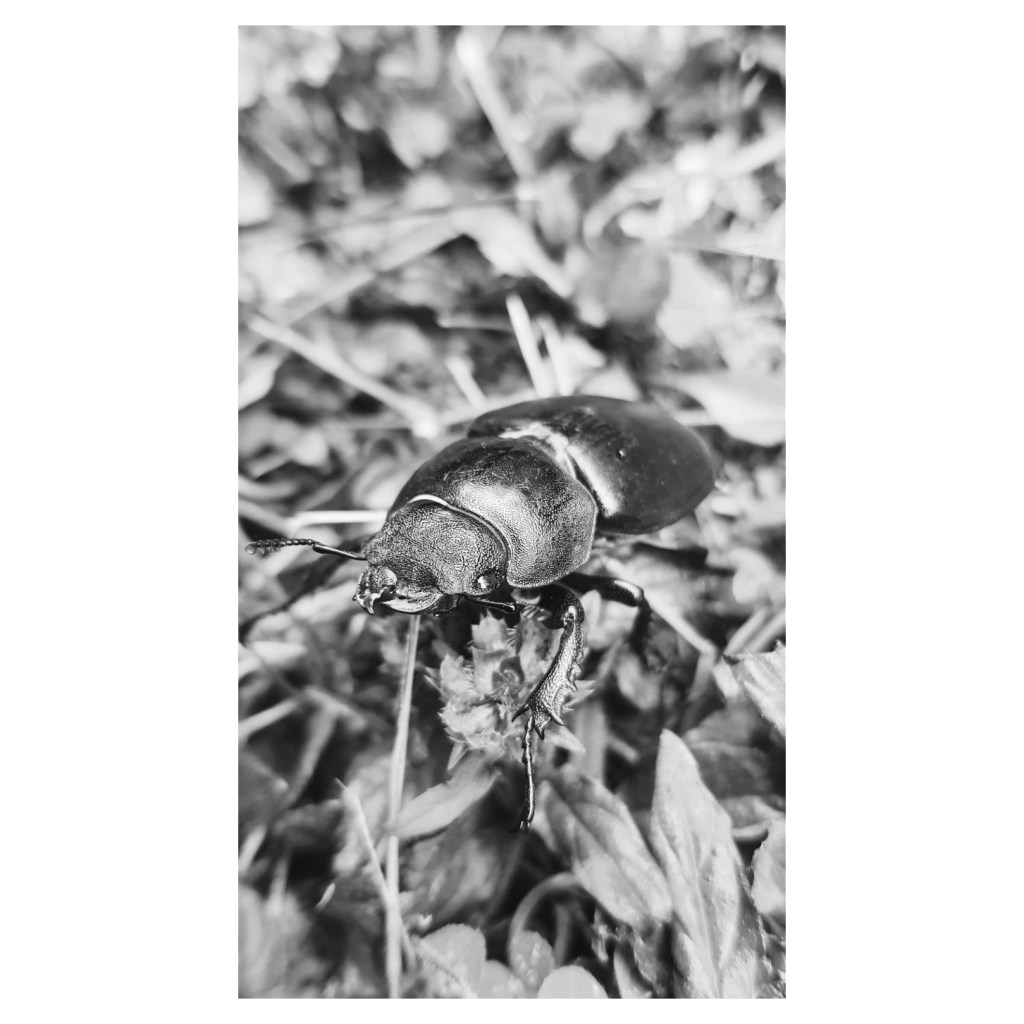
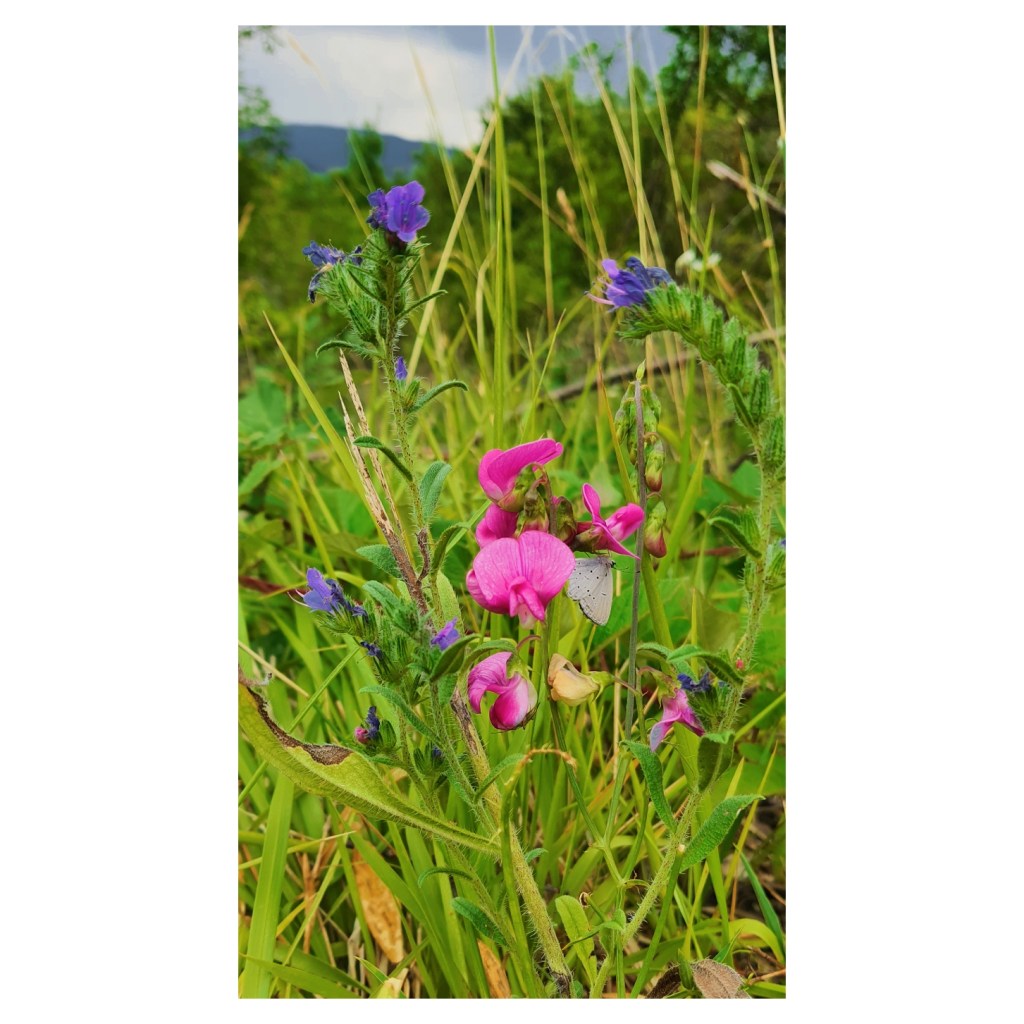
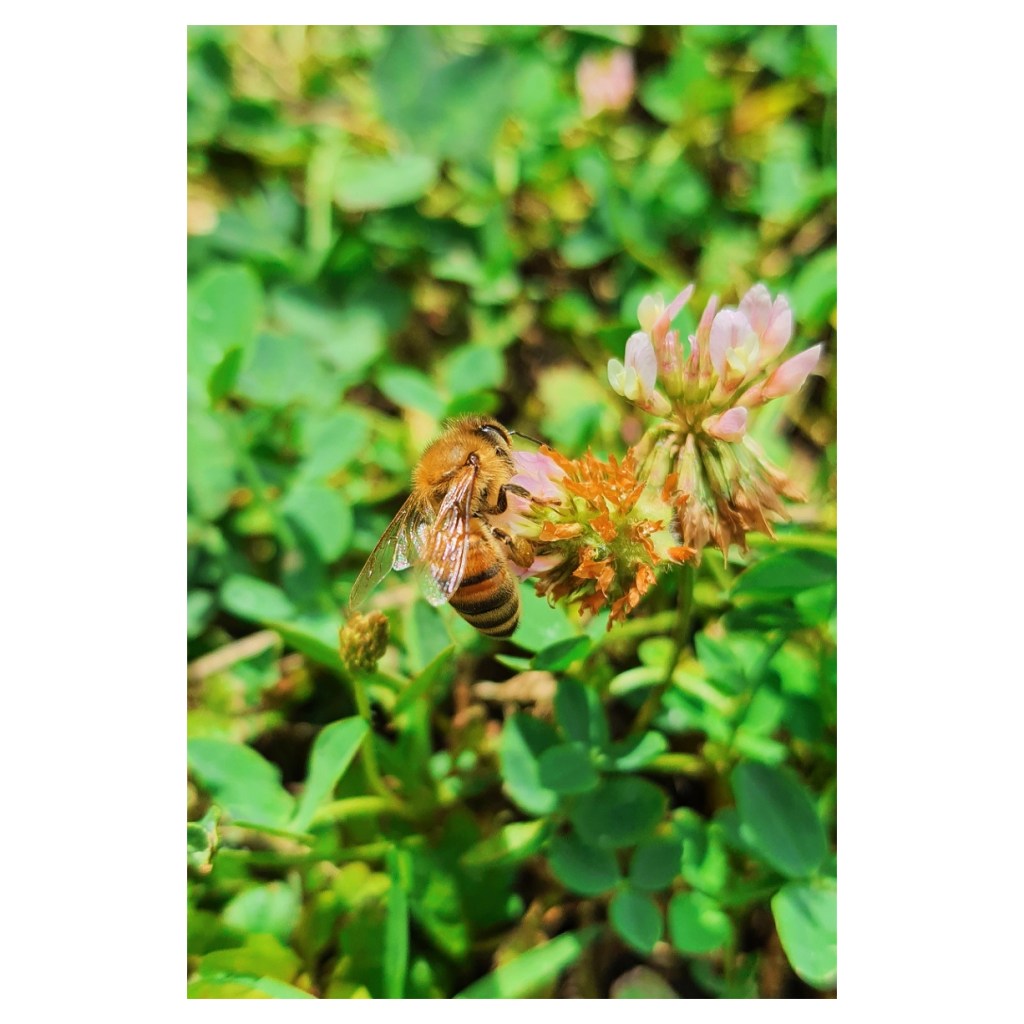
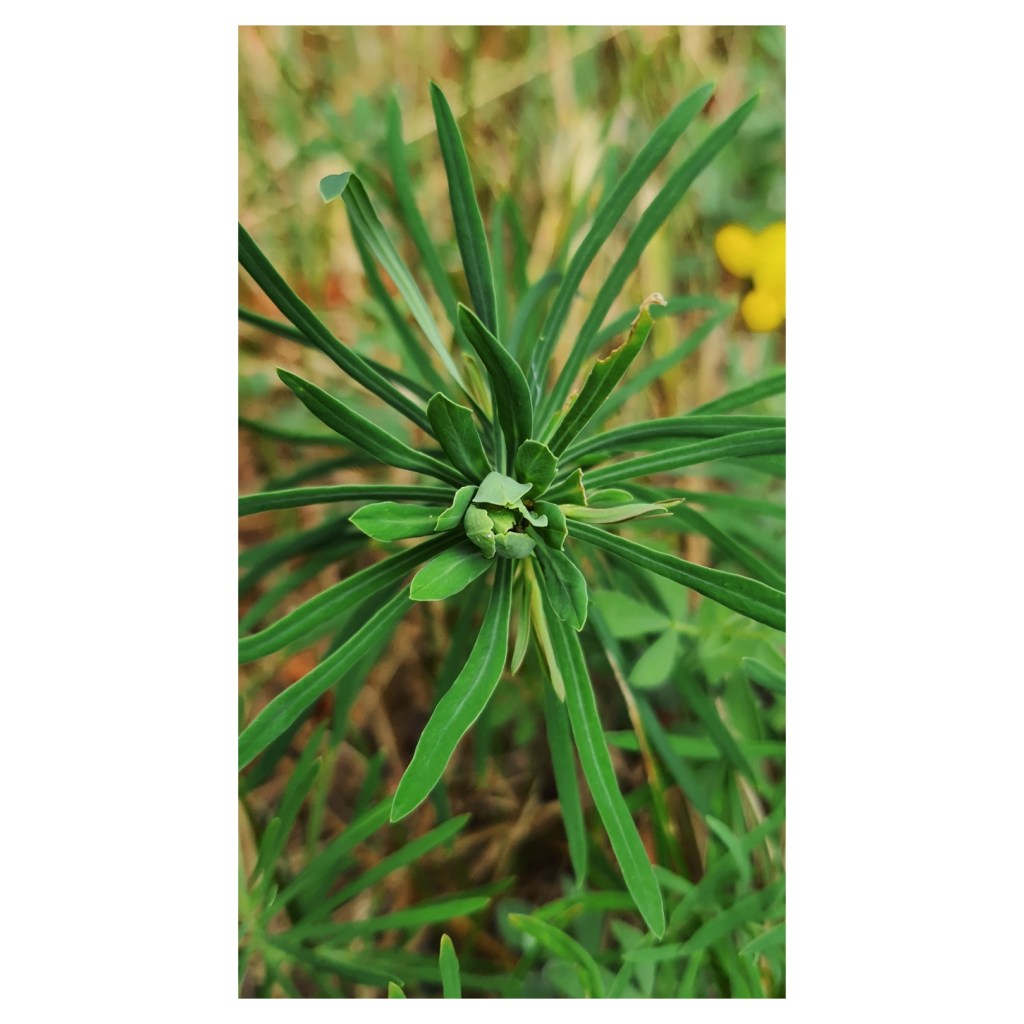
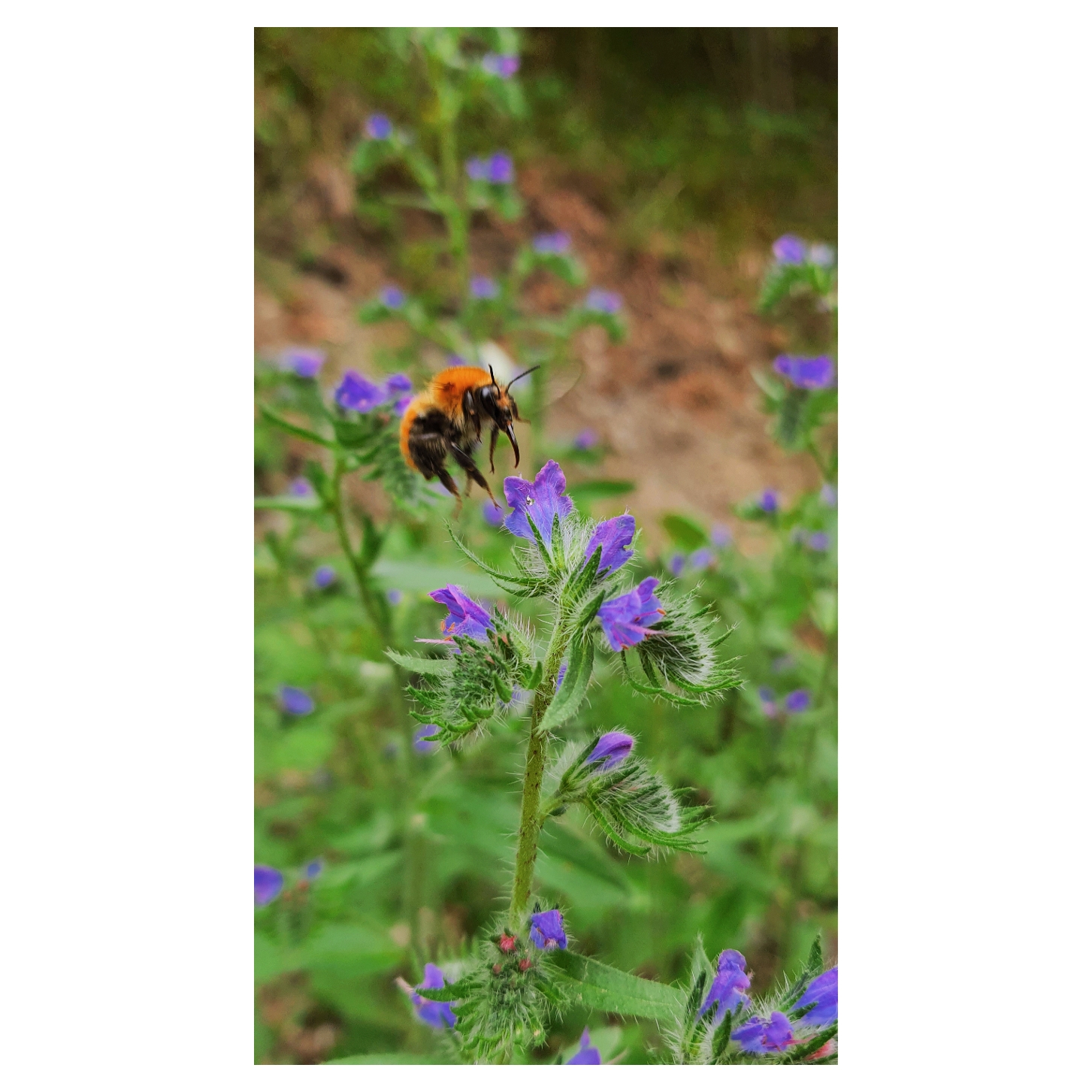
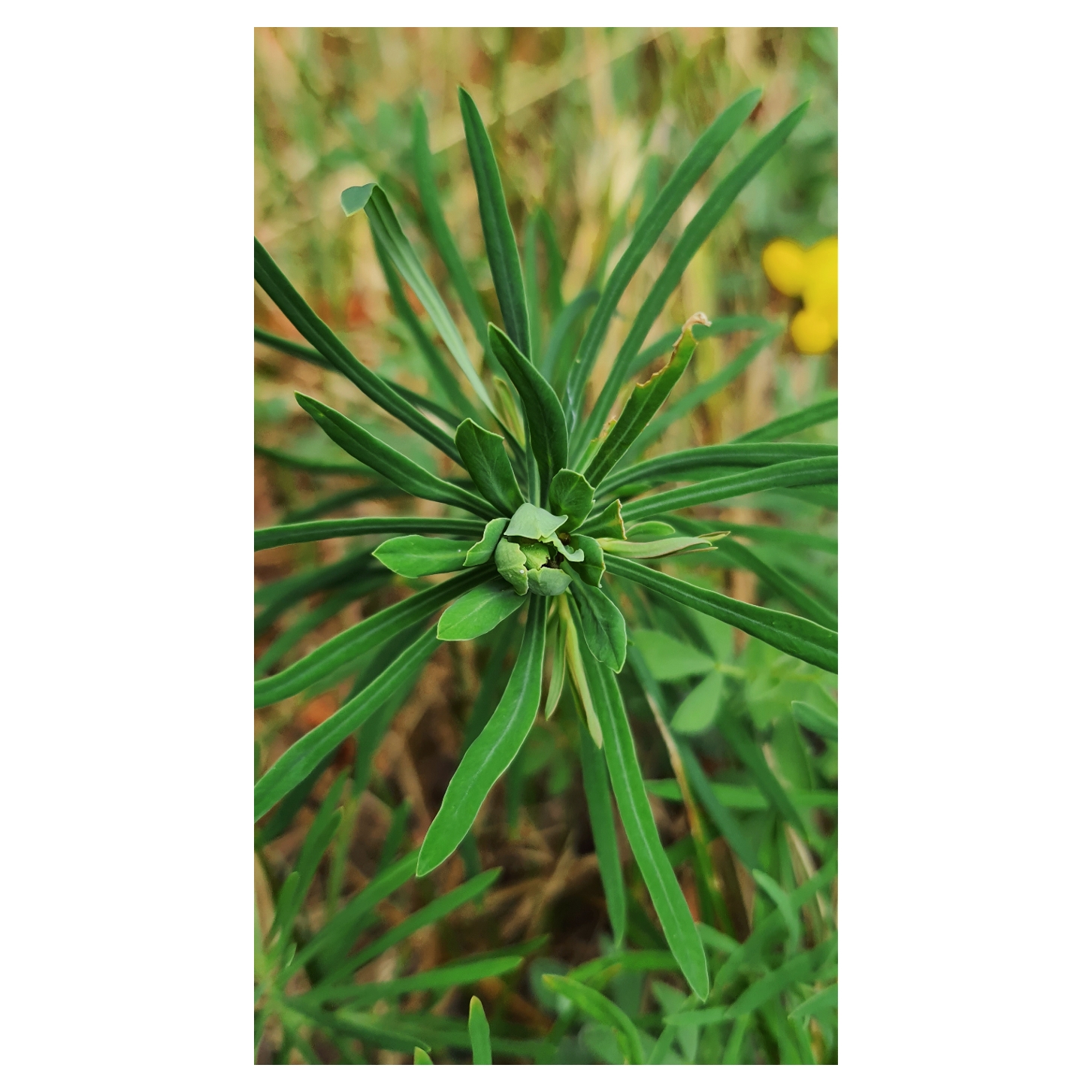
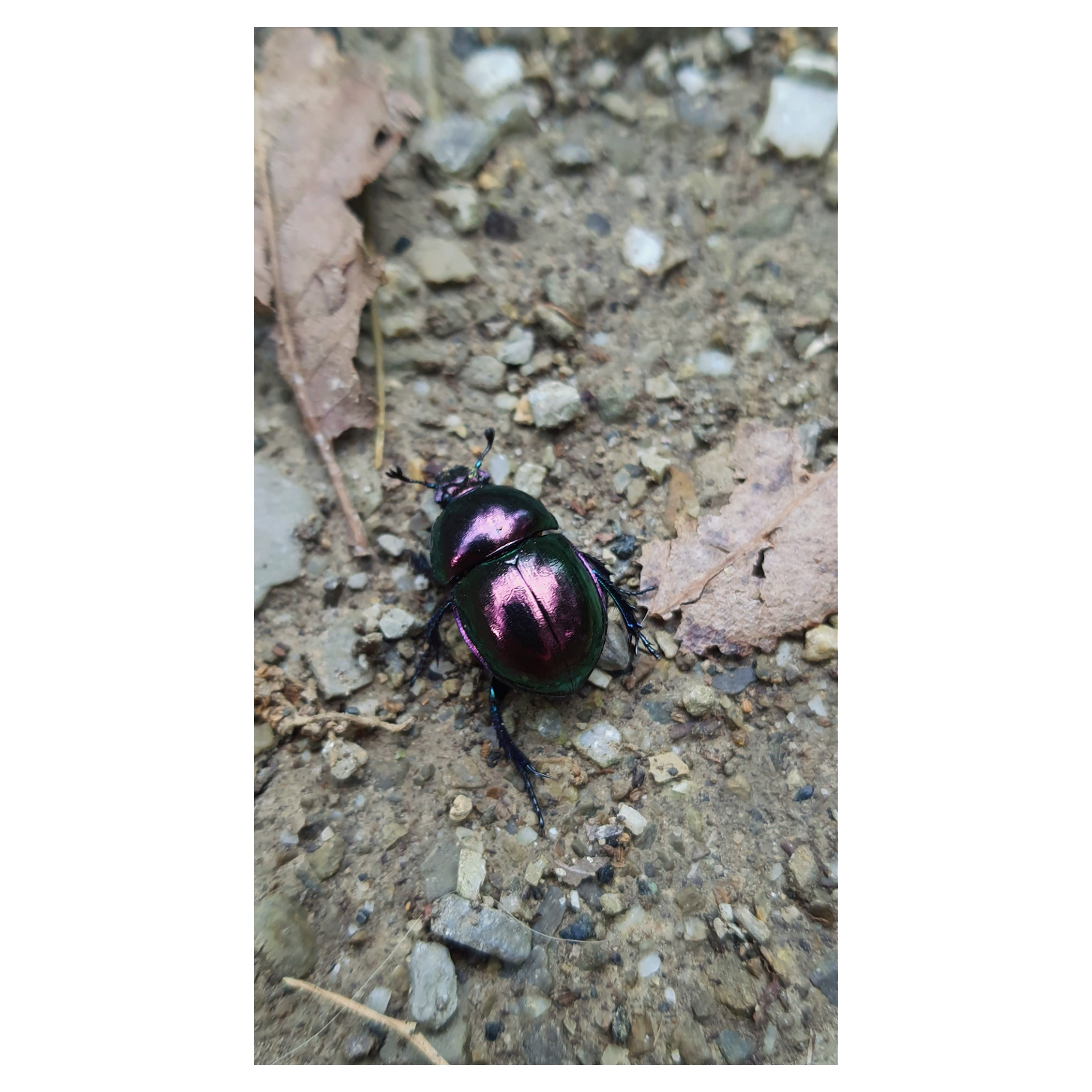
    I have been struck by the variety of butterflies, beetles, bees and more here in Northern Italy in a way that I haven’t noticed before. The garden here is made up of a semi-wild, hybrid lawn with two small rectangles of land allocated for a veggie patch and a wild meadow, supporting an abundant insect population. There have been a couple of hair raising moments when iridescent, scarab beetles bomb their way towards me with as much agility as a 10-tonne lorry, but otherwise seeing such a menagerie of small creatures going about pollinating the veggie patch and other wild flowers brings me much joy and has cultivated a great deal of respect for them and a desire to nurture and protect.

    Have you recently seen the natural world in a different light and documented them up close? Feel free to share your photos in the comment section below – I’d love to see what you have to share.

  • Miniature Worlds : Part I

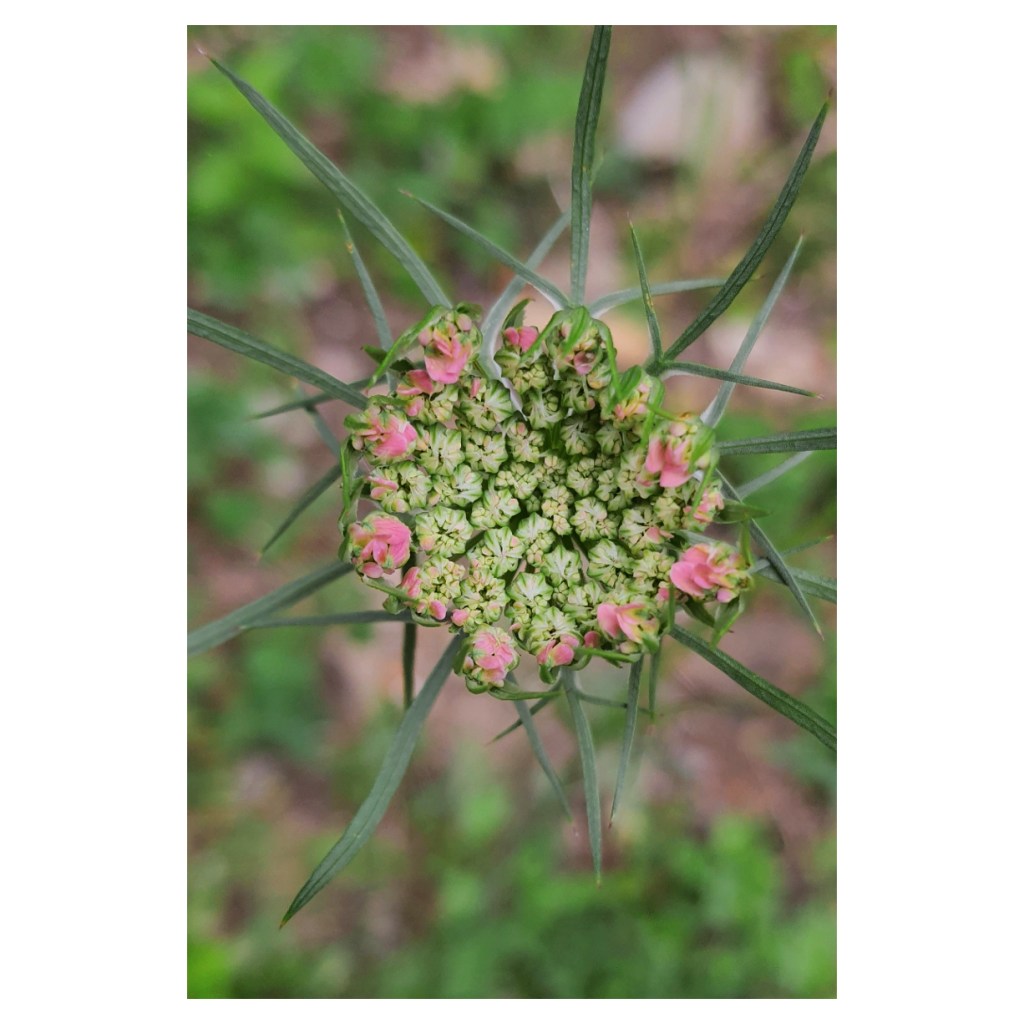
    I am currently spending my time in the wilds of Northern Italy surrounded by deer, wolves and large forest hares yet it is the “everyday” weeds and insects that have really caught my eye. If you but take the time to stop and look you will see the incredible level of detail and geometric patterns showcasing the natural spirals that are recreated in Ancient Chinese practices such as Tai Chi and Qi Gong,

  • Insecticides, Pesticides and Humanicides

    Recently most days here in Northern Thailand average around 38C on the thermometer, combine that with high levels of humidity and you get a real feel of 44C.  Rather than blistering, it’s stifling, such conditions are lethargy inducing and regardless of whether you’re sat in the shade to escape the sun, sweat exudes from every pore to leave you feeling sticky, clammy and a little irritable.  Talcum powder is a must.  The only saving grace are the thunderstorms that arise bringing a breath of cool, drying air (they don’t always bring rain), although can verge on category assignation at times, which when living in a wooden hut with a corrugated roof, is a little scary.

    I read of a scientific study recently that humans can live in environments that have an average, yearly temperate of 29C or less.  Anything more than this is considered inhospitable and as a result of climate change, (regardless of your view as to how or why this is happening) more and more of Earth’s surface will average above 29C thereby diminishing the area of land that humans can inhabit.  Combine that with a rising sea level and our projected population growth and that’s a lot of people living in a very small area.  Now might be a good time to invest in talcum powder stocks (not financial advice).  Just like animals, humans need space to roam and just like animals kept in small, zoo enclosures, humans also do not fare well (psychological, emotionally and physically) when also kept in continuous, close proximity with other humans (consider cities and high-rise tower blocks).  Humans living in such conditions are those pacing, caged lions and rarely know it mentally, although physically their bodies know.

    As a result of the tropical climate here, ecosystems in general have a vast array of critters and creatures.  The speed of life, death and decay in tropical climates is faster than that of cooler climates yet ironically, human living, from observation, tends to be slower and less impulsive.  The slow life here is revered rather than frowned upon.  One particular critter that helps accelerate decay is the termite, and the termites and I been battling it out over the wooden house I’ve been living in the past few months.  Not only do they live in the ground surrounding the house but they live in the wood of the house itself and many nights I’ve fallen asleep listening to cupboard doors being munched away.  Until recently I had accepted this was how things were, it was apparent that they weren’t in my immediate living space where my possessions could be damaged and having spent time digging the garden over I had become well acquainted and fascinated with their nest galleries, some of which were vast in size measuring more than 20cm deep and wide – was it used as a theatre hall?  With the recent change in weather however and increased dampness, the rate of termite activity was on the rise and they were becoming bolder.

    I researched ways of combating their activity using effective but non-environmentally damaging chemicals that could lead to a collapse of their colony.  It seemed pertinent however to inform the landlady of the termite development so she could make an assessment on damages and plan a course of action.  From this I found myself again in a situation similar to that of the mist nests where I felt my views on the environment and conservation were at odds to those I was dealing with, mixed with cultural and language barriers, and emotional triggers.  The proposed plan of action was to use an insecticide to spray under the house which has been built on raised concrete columns, thereby killing the subterranean and house-bound termites.  At first this seemed like a perfect course of action, it would eliminate the threat of damage before the wet season. Yet I was feeling more and more uncomfortable about this decision especially not knowing what insecticide would be used.  I am very conscious about my environment and do not unnecessarily expose myself to harmful chemicals, EMFs, light or any other pollution and should there be a threat to this then research is necessary!  There was also a risk to the geckos (both small and large) and anything else living in or around the house and suddenly it seemed I’d landed in a situation I didn’t want to be in.

    It’s important to point out here that Thailand is one of the top users of harsh pesticides and insecticides in Asia.  With food exports standing at nearly 40% of their GDP, crops need to be bulk produced and losses in yield are less likely to be tolerated.  Hazardous chemicals of this nature can cause neurological and nervous system damage, kidney damage, headaches, vomiting, muscle spasms, birth defects and death of which many farmers fall prey to.  Sifting through news reports it appears that Thailand cannot be held entirely to blame for its pesticide use as recent attempts in 2019 to ban hazardous chemicals were met with resistance from the Americans whose diplomatic strategies include revising trade deals and threatening boycotts, thereby preventing a full stop to the use of such chemicals.  The U.S. Department of Agriculture Undersecretary Ted McKinney asked Thailand to “postpone action on glyphosphate”, one of three hazardous substances, citing a U.S. Environmental Protection Agency assessment in 2017 that glyphosphate “poses no meaningful risk to human health when used as authorized”.  The World Health Organisation classifies glyphosphate as “probably carcinogenic to humans” and yet somehow human politics allows the strong-arming of smaller countries into maintaining dangerous practices.  Of course it’s difficult to believe everything the WHO states given the current global situation, especially when financed by one of the richest men in the world, yet I think they’ve got this one right, although “probably” should really be replaced by “definitely”.

    This strategy is not only used by the Americans, a quick YouTube shows up that many African and Asian countries are used as dumping grounds by the EU for toxic electronic waste, claiming the countries are purchasing this waste as second hand goods, knowing full well that a lot of their sorting practices are done by hand without PPE.  Continuing down the recycling rabbit hole, another quick Google search identifies that 45% of the UK’s household waste is recycled.  Dig a little deeper and it turns out that the figure of 45% indicates only how much waste is sent for recycling, not how much is actually recycled. As much as 82% of your household waste has been sent to incinerators in 2018/2018 in the UK alone.   And of the stuff that is recycled where does that land up?  The majority of it is not dealt in the UK at all but is sent to Malaysia after China closed its borders to any further imports of rubbish.  Much of what enters these countries cannot be recycled and is either incinerated or dumped in landfills.  That’s not to say that recycling doesn’t happen and that there aren’t success stories but the rate of recycling is far, far lower than is needed partly due to the cost, partly due to the technology available and partly due to politics.  It’s pretty sickening that these supposed “first-world” nations use poorer nations as dumping grounds; out of sight, out of mind.  Yet again, the governments of these nations cannot hold all the blame, each of us is responsible and has contributed to the world we find ourselves in.

    So what is the solution?  If you are of the engineering persuasion then new technologies still need designing to make recycling more cost effective and efficient and allow more materials to be recycled. If this is outside your remit then the simple solution is to go inside of yourself and understand your desires.  By doing this you work through your negative emotional patterns that have you believing you need a brand new smartphone to keep you up-to-date and addicted to social media; that your purchasing of “fast-fashion” keeps people believing that you have excessive disposal income and heaven forbid that you should never be seen wearing the same clothes twice; that your parenting techniques allow your child boundless material possessions, etc.  By working through your dysfunctional and delusional thought processes you desire less, you spend less, you consume less and your impact on the environment diminishes without any forcible action.

    Going back to my housing crisis, it perhaps won’t surprise you to know that the insecticide used to fumigate the house (both outside and inside – luckily I’d packed everything away), was far harsher than I’d naively wanted. I moved out temporarily as I was told it would take a day for the smell to disappear.  I visited the house the following day and walked around to see the damage, I feared that my houses’ one and only tokay gecko wouldn’t have made it.  A croak from somewhere to my left brought my attention to my beloved tokay gecko lying beneath the house with a younger, juvenile lying dead beside it.  The adult was still alive, but laying in an area so exposed during the day was uncharacteristic and moving going closer towards it, it was clear it was incapable of running away to hide.  A while later when it appeared that builders would do some further repair work on the house, I wrapped the two geckos up in my t-shirt and took them to my Mum’s garden where the one could see out its final hours in relative peace and quiet.  I carried a lot of guilt for the death of those geckos and many more whose bodies lay strewn around the house.  The strength of the insecticide was so much that one week later I still have not moved back in and don’t foresee it happening anytime soon.  I have reflected on what I could have done differently and on the politics of dealing with other human beings over things that should not have to be discussed.  My stay here is short and my rights are no more than that of a tourist but what happens here and how they treat the environment has as much impact on me as it does their own fellow neighbours.  The impact of each and every one of us is felt by the rest of the human species and yet most people don’t behave appropriately, or have the inclination to change, or lack the knowledge to behave differently.  My conclusion was that it would have been inappropriate to attempt to lecture them on how they should insecticides and the damage caused to both the environment and their health when I hold such little rapport with them, but in hindsight I could have treated the ground myself with a “safe” insecticide.  People should be treated with the same respect you would like to see them treat the environment; shoving your “Western” ideals down someone else’s throat no matter how well-meaning is surely only going to strain relationships further.

    This leads me onto one final point that I considered as result of this experience – how do you weigh up the consequences and impacts of your personal choices on the environment.  I want to read research papers that have definitively broken down the carbon and environmental cost of pretty much everything.  For example, if I were to build a home, which building material in that particular location has the least impact.  Is the impact of treating structural wood with pesticides, fungicides etc of less consequence than not, but then continually replacing the wood as it decays?  The same can be said for repainting and varnishing homes which must have some toxic impact on the environment.  Is it best to remedy your home with such things to keep it from falling into disrepair knowing that it cannot be recycled in future, or is better to allow for decay and then rebuild at a later stage when it’s no longer structurally safe? Are buying clothes made from recycled plastic of better value to the environment than buying cheap, cotton clothes?  Without this sort of data every choice made is marred by the limit of information you hold and your willingness to seek it out.  One solution of course is to simply reduce your capacity to consume thereby eliminating much of your environmental impact.  No one needs even half of the variety of items as they believe they do.


    **Thank you for taking the time to read my blog.  If you have any links to the research papers I mentioned an interest in, please feel free to comment them below.  Please also leave a comment if you found any of this interesting and/or would like me to write more on any given topic.  All the best**


  • Nature is but a Mirror

    How does each of us relate to our environment?  More often, through formal channels such as the news, or simply with our friends we speak of how we relate to society; talking of the interdependent relationship we have with the environment is more a special moment chat when the stars have aligned, Saturn is waxing, the Moon has risen in Mercury and a black hole has swallowed Elon Musk’s Starlink.

    From my own experience and observation, how much more important it seems to each of us to deal with the immediate aspects of our life, work, romance, food shops, keeping ourselves entertained.  We critique the government, our bosses and authority and declare that we “can do a better job!”.  Gossiping on the comings and goings of the lives of our co-workers and friends take up endless hours of time.  We realise at some level that we are a small cog in our society and we fulfill our cogly-role of selecting a job enabled by the government, consuming everything we want and need, and giving voice from the sidelines on how our lives could be lived better if x, y and z changed, with never walking onto the field to participate in the game of life.  But how often do we really consider that we are also an even smaller cog in an even bigger “machine” of the Mother Earth and that every one of our actions influences our environment?  How insignificant our lives then appear to be, in fact, so insignificant that we go back to burying ourselves in alcohol, drugs and dopamine-inducing entertainment.

    Until recently, I did not spend all that much time contemplating such things. I didn’t have my head totally buried in the sand; I sorted my recycling, I made sure to never burn plastics or harmful materials on garden bonfires, I enjoyed being out in nature and I didn’t fulfill my role of being a consumer all that well.  Yet there was a marked disconnect within myself that I could feel, but not quite explain.

    I have found that you can watch the entire collection of David Attenborough’s, you can study Zoology at university, read countless books on natural history or even go to a zoo and you will still not understand nature to the same depth than if you were to sit outside and simply watch.  In fact, I’ve found the less you know about an animal and it’s habits, the more connected your experience as you tune in at a deeper level to what it’s doing.  Once you’ve associated a behaviour you’ve watched from a documentary to an animal, you now assume you now know what it’s doing, now you stop paying attention.  This is not to say that there isn’t validity to nature documentaries but they are merely a band-aid to keeping us slightly connected to what’s going on in the natural world.  When I first got here I didn’t pay such close attention, birds flew past but they all flew the same.  Not until I started paying attention did I notice, with enthusiasm, that the crane extends it’s legs some time before landing much like a plane deploying it’s landing gear on a run up to the runway, sometimes dipping it’s toes into the water; or drongos that seemingly perform Red Arrows style flying maneuvers with barrel rolls and loop-the-loops whenever they take flight (I sometimes think they would get where they’re going a hell of a lot faster if they just cut that out all together); or house martins flying against stormy winds tack across the sky like boats battling waves.

    A few weeks ago I discovered with my mum, two mist nets at the bottom of our garden, on the other side of our wall.  These are used to catch birds.  Made of fine netting strung up between two poles (thing of a volleyball net), the birds blind to it, fly straight in and become ensnared by the net. A menagerie of birds had already been caught and hung there, alive, yet immobile.  It was a horrifying and sickening sight, it reminded me of tiny corpses being strung up to ward off any other dissenters.  For a while we ourselves were immobile.  What should we do?  Every cell was screaming we should cut them free and release them, it was cruel and barbaric, this is no way to treat animals but the conditioning of society quietly crept in.  The net isn’t on our land, we are foreigners in this country and shouldn’t involve ourselves with the locals business, maybe this person is struggling to come by food in this lock-down, maybe they have a family to feed.

    After much too-ing and fro-ing we released the one bird we could, a young zebra dove (one of its parents and sibling were also caught in the net) that hung lower and closer to our wall than the rest.  Our hands shook as we worked to cut the netting away.  The entire time it remained totally calm and I could feel it’s heart beating slowly, far slower than mine that was racing, afraid the person would return and catch us in the act.  For a few precious moments I held the zebra dove in my hand until it seemingly felt ready to leave, broke through my light grasp and took off.  It was some hours later that a man showed up to remove the birds and we politely asked him to remove the net, which he graciously obliged.

    It was very distressing to see the birds caught in the net and yet the man could not be blamed for what he was doing, in fact he handled all the birds very softly as he removed them from the net and placed them in a sack.  He was doing what he could do best to survive with the tools and conditioning he had available to him.  These sorts of behaviours cannot be pinned on a certain type of person, a community or a nation, it lies in each and every one of us with our lifestyles, our spending habits, the fact that we have spending habits and our incessant desires that we have no awareness or control over.  When we can’t control how products are made and disposed of, how natural resources are  harvested, government policies and greater societal cogs, the one thing we can control is ourselves.  The more we can still our minds, ease our egos and desires, the more possibility there is for the likes of circular economies to exist, advanced communes, reduced pollution and sustainable co-existence with the environment.  The only reason we’re not there yet is because we’re not ready to be there.

    I for one think product design should include how the item will be dealt with once its finished with; do existing recycling methods allow for it to be recycled or do new methods need to be created.  If a new recycling method needs to be created then a company should pay into a “pot” to create the new technology to deal with this.  I feel the nuclear energy industry sums this up nicely – let’s create an energy that requires minimal resource and creates “only” steam as a by-product (sounds like the perfect source of energy), however in terms of dealing with radiated waste, let’s stick it in containers for now and work out how to deal with it later (are you mad?), now apply that scenario to your smartphone, your tablet, your fashionable trainers, your fridge.  A zero waste economy (or as close as) would mean everything made serves a function of the highest order and can be reused, recycled or repurposed.  This self-realisation on how society and the economy could better operate starts with me and know I am only at the start of this journey.

    The poor who live hand-to-mouth have not the livelihood to protect the planet.
    Those who live in comfort chase desire for money, status and power and have not the self-control to save the planet.
    The rich, consumed by their greed have not the purity of soul to safe-guard the planet.
    Those who have stilled their mind and desires have the serenity to rescue Mother Earth.
    And yet, there are so few.

    If you want to save/fix the world, save/fix yourself.

    93788372_2584521178477241_1985624558454964224_n

    (Photo of the rescued juvenile zebra dove)

  • Rediscovering Identity: A Journey Beyond Doing

    I am not what I’m thinking, I am who I’m being. A human being, not a human doing.

    It is coming up to 6 months now since I left England to spend time with my mum in Thailand.  I had felt increasingly that I was becoming more and more disconnected from myself as I buried myself deeper and deeper into doing more and more, feeling that I was trapped on a fast paced treadmill taking me further away from knowing who I am.

    I had decided several months before my departure date that I would leave and worked and saved hard to allow myself enough financial reserves to take an extended time out from working.  My aim was to join my mum in a peaceful area of Northern Thailand and reconnect with myself to figure out who is Emily.

    My decision was not precipitated by any calamitous event, if anything, looking through the eyes of traditional “success” I was well on my way.  I had a loving partner, I was spearheading my own project at work and was slowly but surely growing my private Personal Training business. Yet there was a continuous nagging feeling that this wasn’t the right path for me.  Despite these “advances”, I was feeling more than ever that  I could not decipher who I was as a person.  My days endlessly looped around hours of work, training, binge watching Netflix and gardening; my mind constantly chattering about how to “improve” my situation amid feeling a deep sense of lack.  I found my mindset hardening as I increasingly used logic to solve my way out of my situations (useful when dealing with logical situations such as how to get my bike started when the battery is flat, not often the case when trying to navigate the vagaries of life).  In addition to this I was dogged by dreams of sitting at airports waiting for a flight to take me away.  Plagued by doubt as to whether I should listen to my dreams and whether leaving was the right thing to do, I spontaneously purchased a plane ticket to Thailand. Sharing the news with Kelly was difficult, a communications event I messed up, and yet she only became my strongest supporter as I prepared my departure.

    With hindsight, my departure from the UK coincidentally coincided with the rise of Covid-19 and had I left it any longer, I would have missed the opportunity of being here.  My focus when I first arrived out here involved having a routine of physical activity, massages to eliminate excess tension in my body and to help heal a motorbiking accident, a strict eating regime (no grains or coffee!) and to figure myself out, all at once.  I was still carrying the adrenaline charged, iron-fisted, dopamine-addicted tendencies from my recent lifestyle and I did battle with the new influences of meditation and Buddhist and Taoist teachings that my mum brought to the table.  There was conflict not only externally but internally too and on any given day it would either be the routinely physical mindset dominating or the mindless meditation attempting to push the reset button.  Over time though I felt myself dropping more of the ideas and beliefs I had about myself and a small glimmer of who Emily is has started shinning through.

    I was not my likes or dislikes, I was not my jobs (past, present or future), I was not my fashion sense, my genetic inheritance, my failures or triumphs, I was not my thoughts, I was not my emotions.  Instead what I realised was that I am responsible for dropping all these notions of who I think I am and instead need to learn to live at one with nature and humanity in a way that promotes sustainability and yes, love.